Art from Norway's south-west coast ➜ Since 2015

Call it anti-clout: A conversation with Itchy Fingers Resident Nadia Marcus

As the 2026 Itchy Fingers resident in Art Writing, Nadia Marcus brings to Stavanger their creative practice that combines poetry, DJing, publishing, printmaking, and performance, all revolving around questions of embodiment, inscription, and care. In this conversation, Marcus discusses the book as a physical and communal form, the “anti-clout” of independent publishing, and their research into the connections between music, archives, and printed matter during their residency in Stavanger.

Heather Jones

You are coming to Stavanger as the 2026 resident in the Itchy Fingers Residency in Art Writing, but your practice moves between poetry, DJing, publishing, printmaking, and performance. Do you see these as distinct disciplines, or all part of a single creative expression?

Nadia Marcus

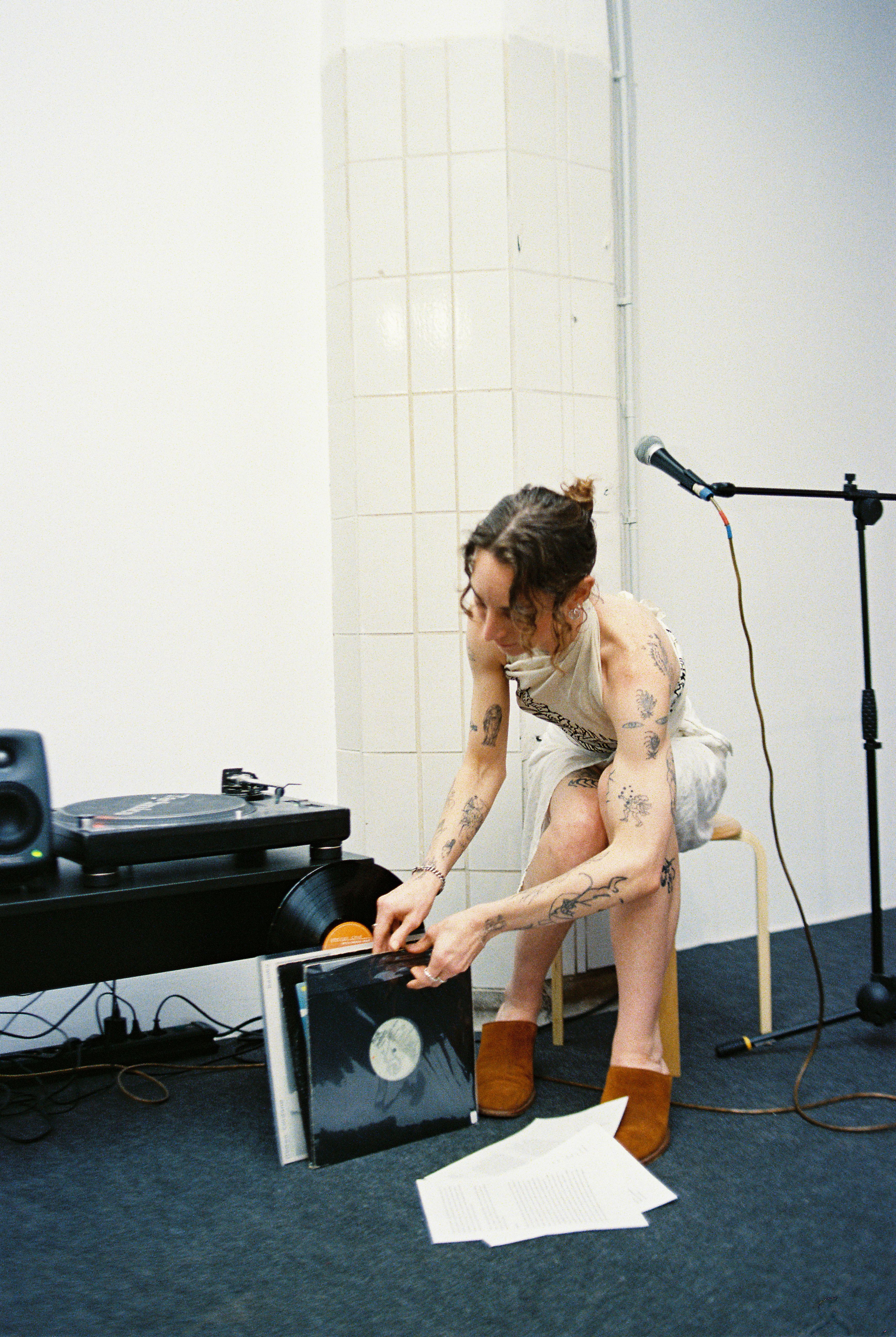
Ultimately, I’d say they are all constituent parts of a single practice or articulation, but each discipline has its own set of demands. For instance, DJing and publishing are both modes of facilitating, mediating and circulating others’ work – tracks and texts – but DJing is also very much a type of performance. One could say publishing is as well, but the show is less embodied and immediate.


The common thread is likely an obsession with mark-making and impression. I’m drawn to vinyl records, etching plates, calligraphy brushes and dancefloors because they’re all tools or sites of inscription: the grooves cut into a dubplate contain information to be bumped out of speakers and meet a mass of bodies, physically bracing them with sculpted air pressure one hears as music. All the music I’ve danced to and played has undoubtedly impressed itself upon my sense of embodiment, rhythm, melody and tension, all of which of course feeds back into writing and performing poetry. Conversely, learning to attend to proportions of blank space on a print or graphic has changed the way I think about utilising silence in a DJ set.

Invalid audio URL
HJ

You work both as an artist creating your own work and as an editor/publisher creating for the work of others. Does the role as a facilitator or caretaker of other artists’ work affect your own practice?

NM

It certainly does, maybe less in the actual content of my own creative practice, and more so in how I relate to it. I find it really vital to be able to act as a steward, facilitator and organiser for others’ work. In today’s cultural markets, there is such an intense pressure to build oneself up as a distinct brand, and to be able to flip the social and cultural capital of that brand to advance a career (which in many ways has become indistinguishable from “a practice”). It’s humbling and grounding to operate on the infrastructural side of things – publishing and organising – because this kind of labor is collective and often communal. At the same time, it’s made me appreciate the risk it takes to believe in the value of my own practice. I have sometimes felt that I hide behind the role of curator and organiser, stifling the urgency of creating and so cutting off some kind of mental and spiritual respiration. And this, of course, leads nowhere.

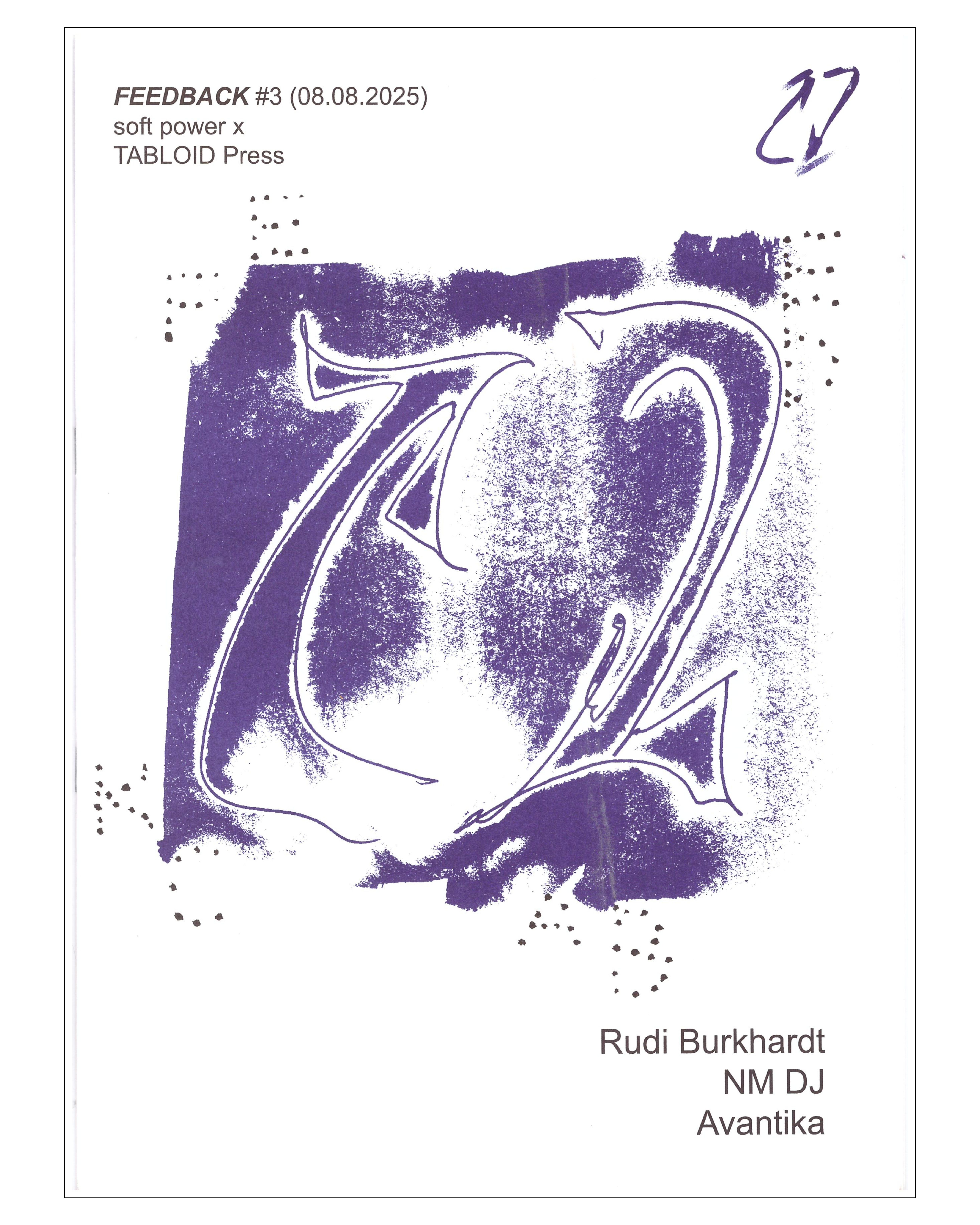
TABLOID Feedback #3 Pamphlet, 2025. Sumi ink, pen, raster scan; risograph print on paper.
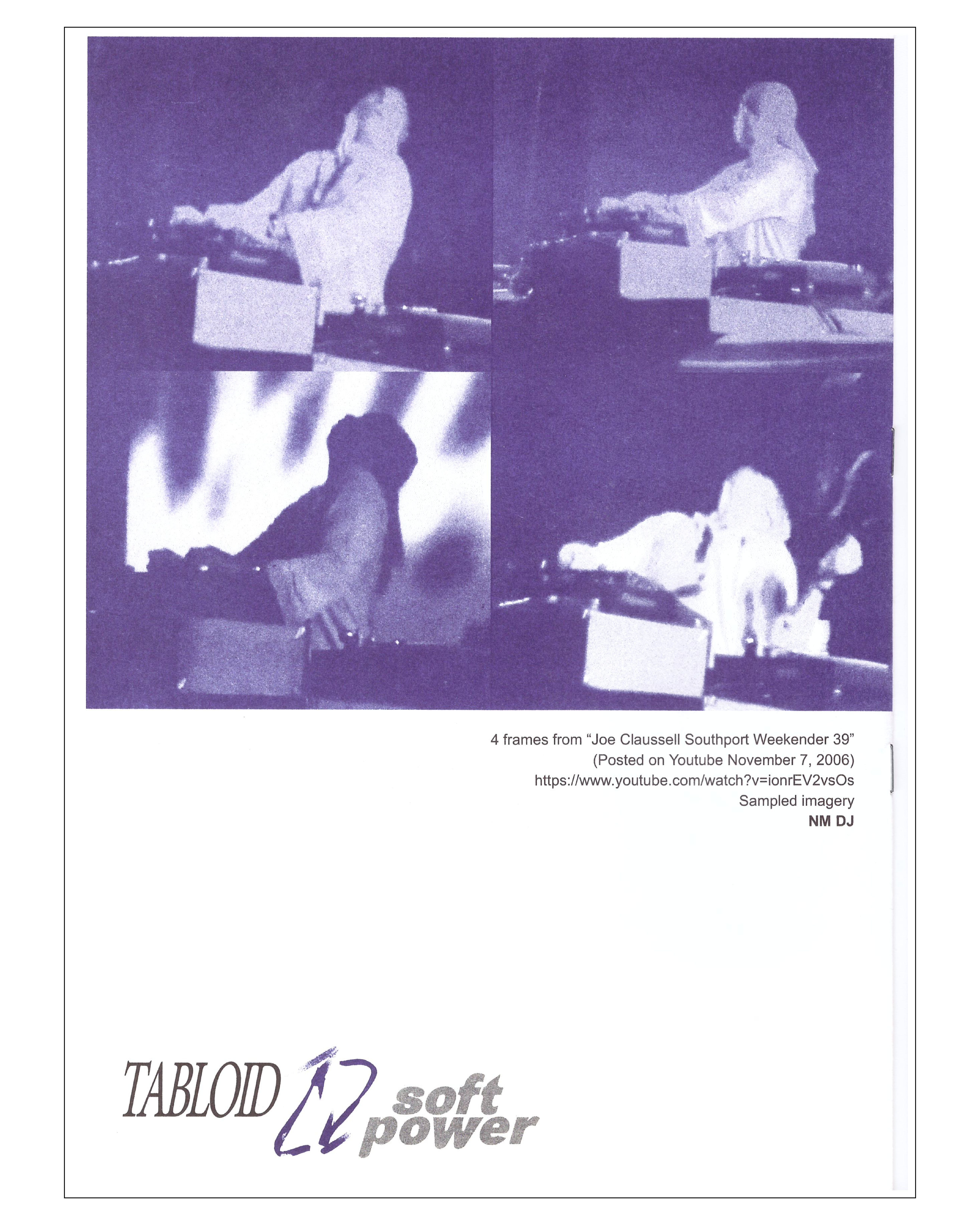
TABLOID Feedback #3 Pamphlet (back), 2025. Sumi ink, pen, raster scan; risograph print on paper.
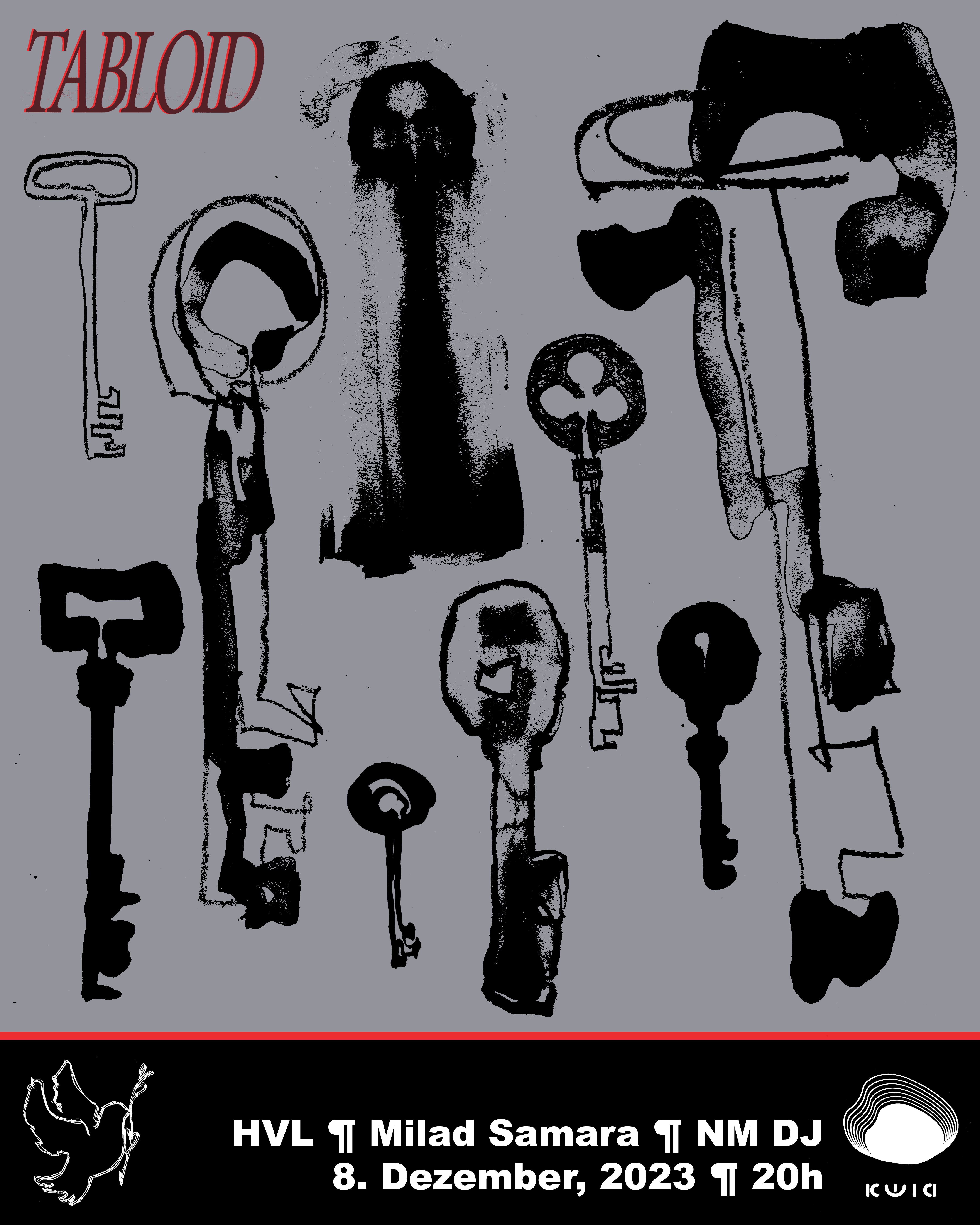
TABLOID kwia residency poster graphic. Sumi ink, charcoal raster scan.
1 / 3
HJ

You previously wrote that “each book or record is and of itself an archive” and compare these objects to bodies. And also that a book can be something beyond a container for text; an object, a space, or even an event. Could you expand on your ideas about the book as a format?

NM

I’d say I love a book, a body, a record and all these countless implements I move through the world with because they bear the traces of that very transit. Working with Zack Darsee as co-director of TABLOID Press reflects that attachment to the physicality of media – we savor the sensuality of an object and all the choices that go into making it, from paper weight and texture to print method. And we have always loved the idea of books being ground into the texture of everyday life, relating to them not as precious relics but rather as things to be used, handled, stained with coffee or notes in the margins or whatever bodily fluids float your boat. In this sense, they are very much corporeal, and it’s very agreeable to then start regarding the body as a book.

We are, after all, just a lot of information bound to a spine.
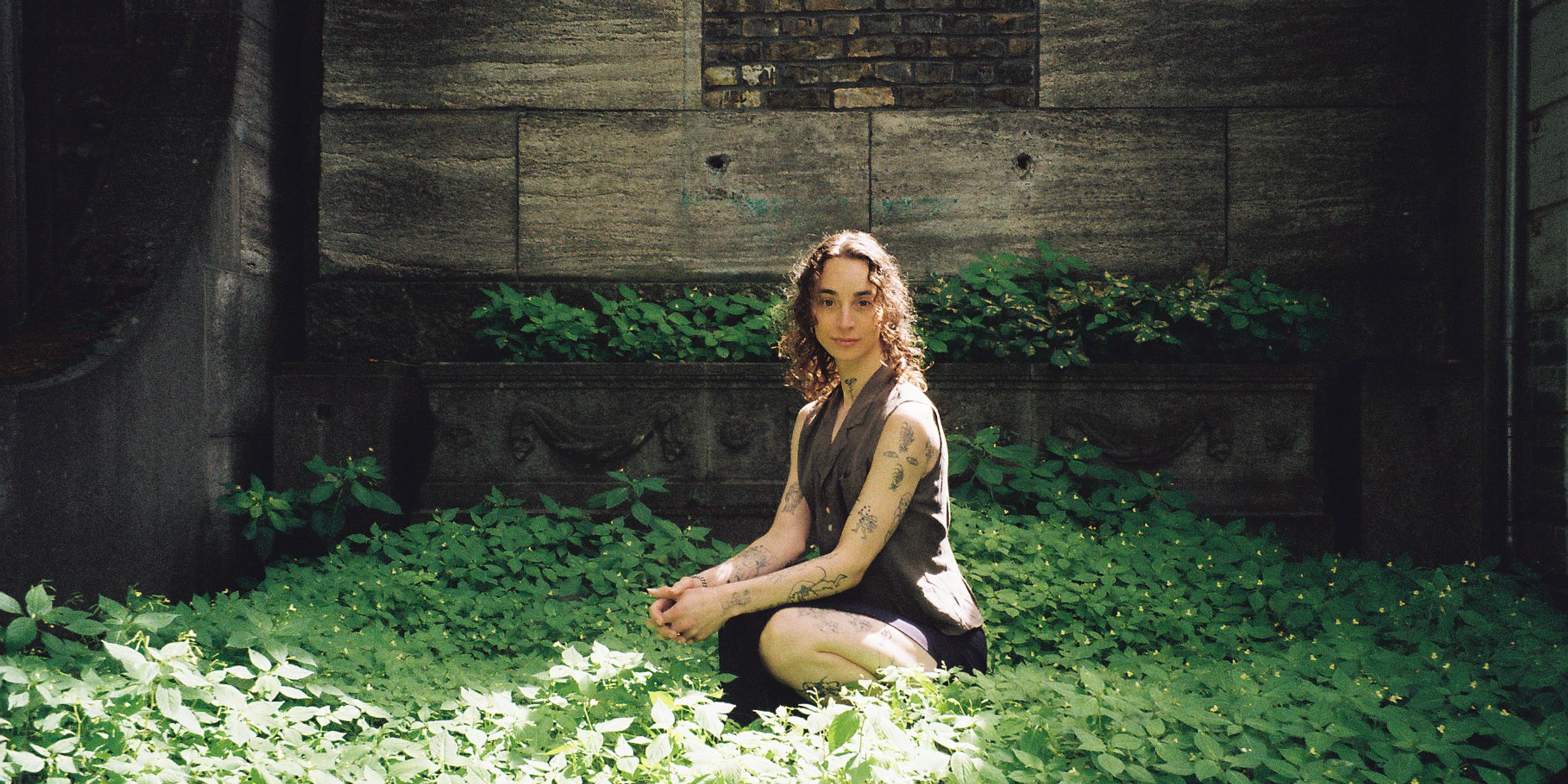
Photo credit: SHIFT
HJ

Your work with TABLOID Press has been ongoing since 2014. What does independent publishing make possible that larger institutional structures sometimes cannot?

NM

TABLOID began as a reactive practice: Zack and I had both studied poetry at the same college, and we were disillusioned with the idea that contemporary lyric existed largely in an institutional discourse and the MFA pipeline. We’ve been able to pay our rents because of working with institutions over the last decades; we’ve also both earned additional degrees. But there is still a kind of rebel fire that we tend to at the hearth of TABLOID; it keeps us warm and I think others find it inviting too. So many friends and members of our community, whether they are artists or DJs or performers, have had to take brand sponsorships and act as advertisements to make money. Independent publishing is so thankless as a business model, it moves at such a slow pace and produces media that doesn’t easily translate to circulation on a phone screen or carousel of images – in this sense we’ve been spared from that kind of corporate tokensation of creative workers. So, over time, we’ve been able to build a kind of spiritual and communal currency. Call it anti-clout.

HJ

For your residency in Stavanger, you are interested in publications connected to music, archives, and sonic histories. What are you hoping to discover while spending time at the Kielland Center, and Stavanger more generally?

NM

I’m deeply curious to explore the Kielland Center’s collection of books linked to sound and music – not just in a book’s content but in the form itself – because they are often felt as such divergent types of media. I loved learning about the Plommehagepartitur project from Elida Linge and Mari Kvien Brunvoll, for instance. This experimental “book” makes use of wood from Linge’s plum trees as packaging for a cassette, which in turn contains original compositions by Brunvoll based on drawings and impressions of the orchard. I knew of Brunvoll because of the absolutely iconic “Celestial Voices Remix” Ricardo Villalobos did of her song “Everywhere You Go” – this 28-minute slab of skittering vocal samples and vast, aching soul – so I was thrilled see her work in the Kielland Center’s collection. In Plommehagepartitur, graphic, sonic and textual material all feel bound in a fluent, daring but also quite sensible way. This is a difficult maneuver to pull off, I find. More generally, I’m also just thrilled to be around salt water. I grew up on the east and west coasts of the USA, and have lived in a landlocked city for the last decade. I miss that air.

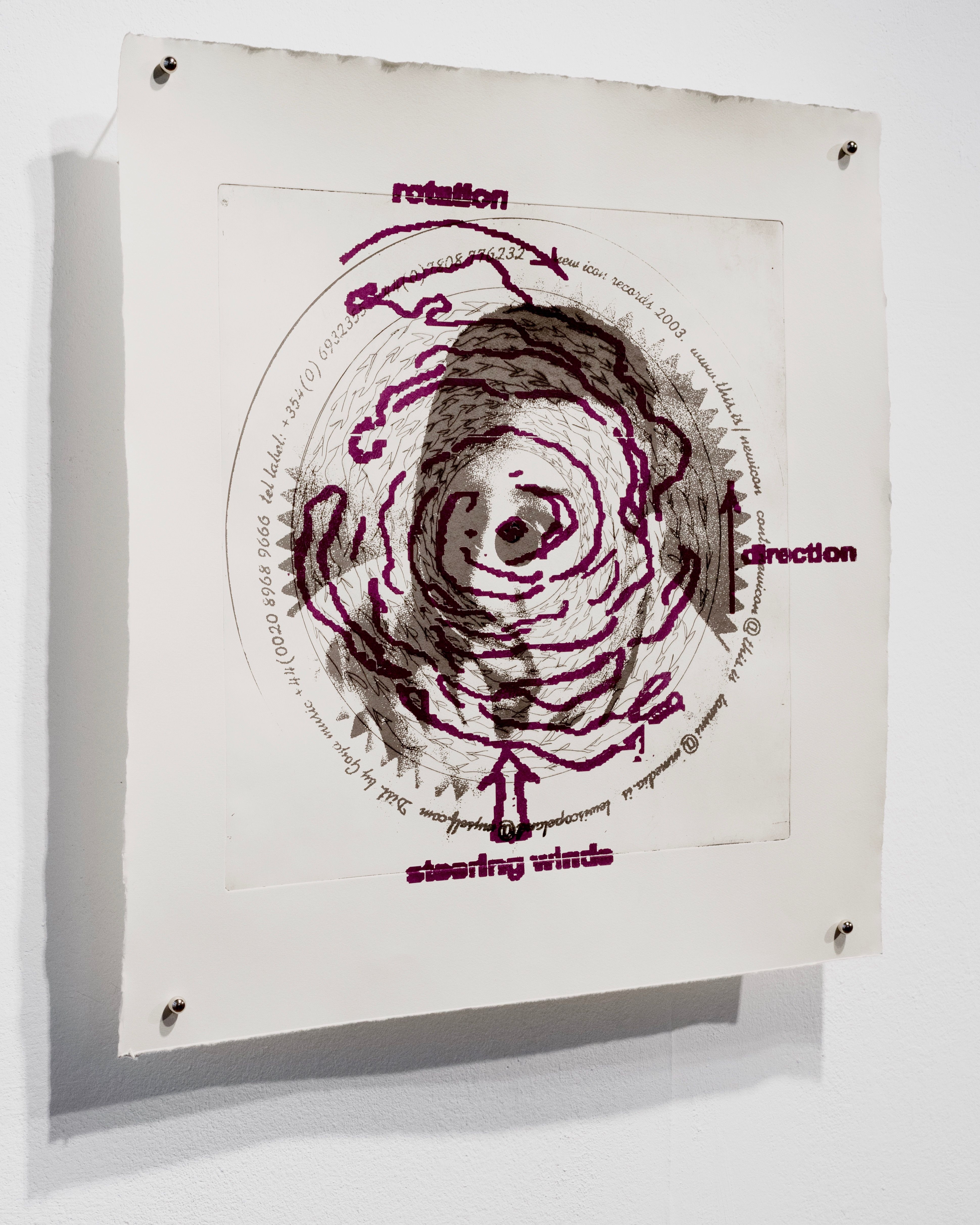
Rotation (Aaron Carl), 2026, 54.5 x 53 cm. Etching and silkscreen on cotton rag paper. Photo: Sam de Buysere
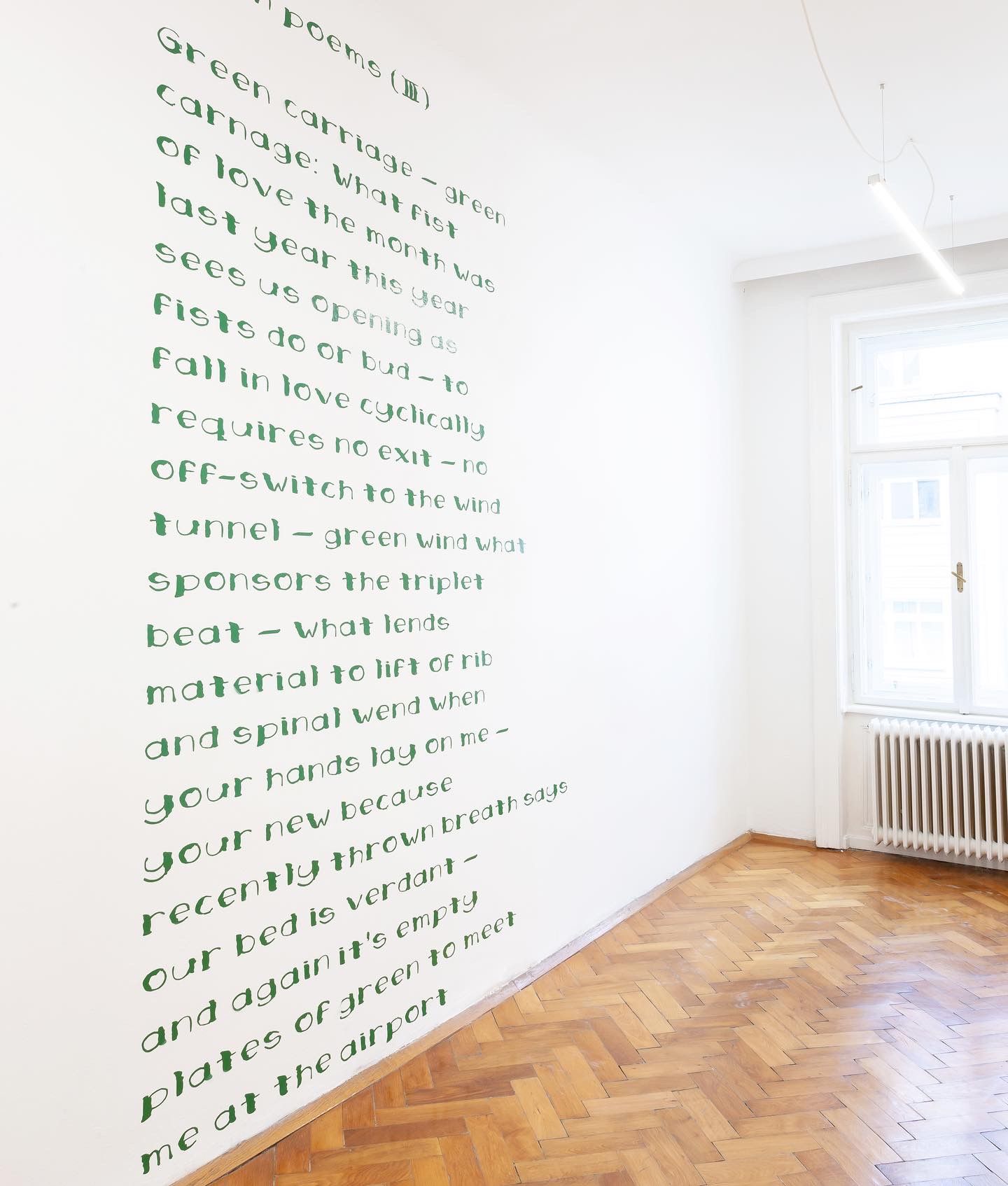
Green poems (III) (installation view), 2023 . Dimensions variable. Poem written in 2022, typeface designed in 2023. Unique edition of a poem in hand-painted typography, vinyl print, published by TABLOID Press. Courtesy UA26 | Photo: Flavio Palasciano.
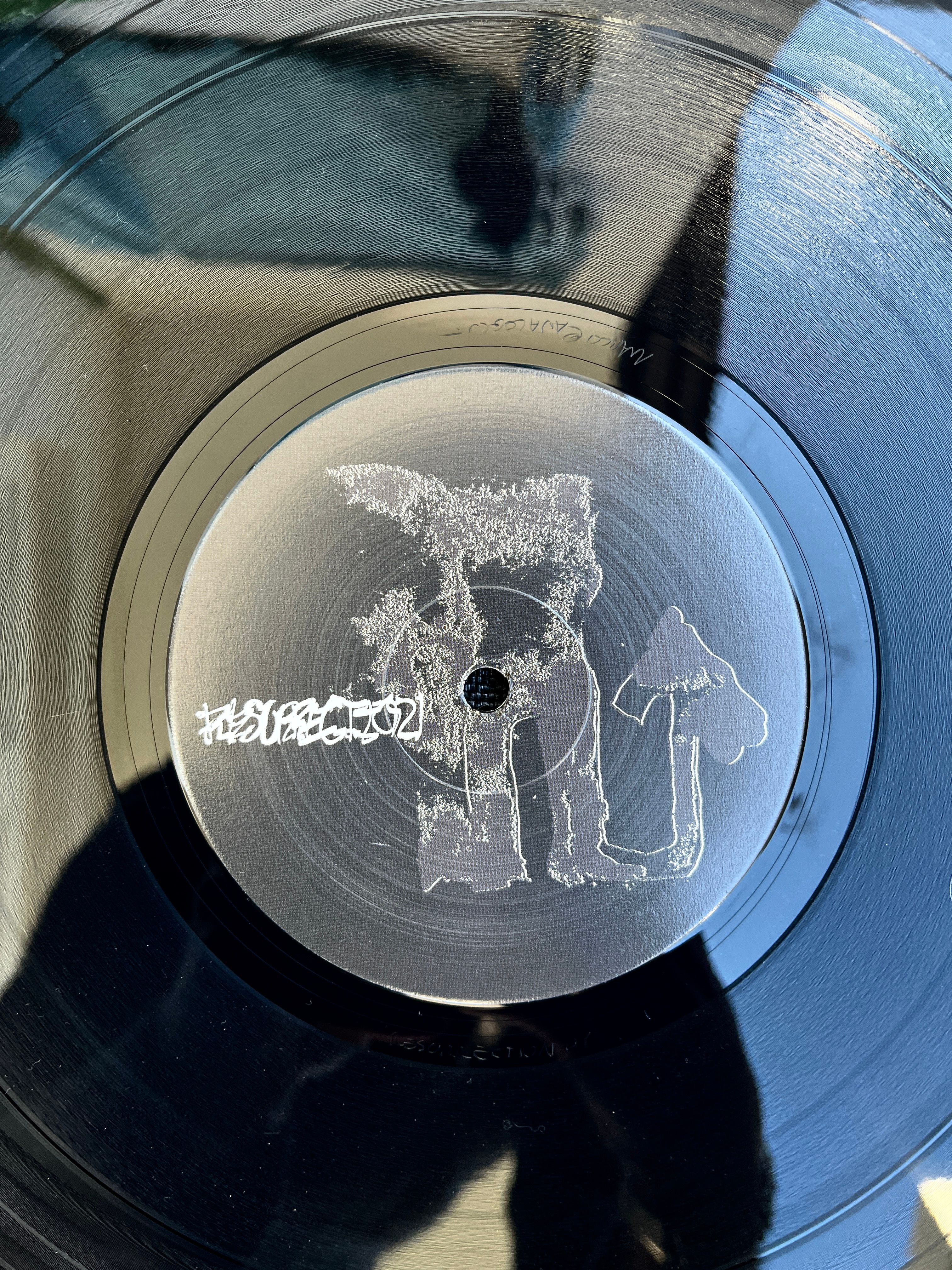
Resurrection 001, center label, 2025, 10 x 10 cm. Sumi ink, raster scan, digital print.
HJ

Do you have any current research interests, work in progress, or upcoming projects that you can share with us?

NM

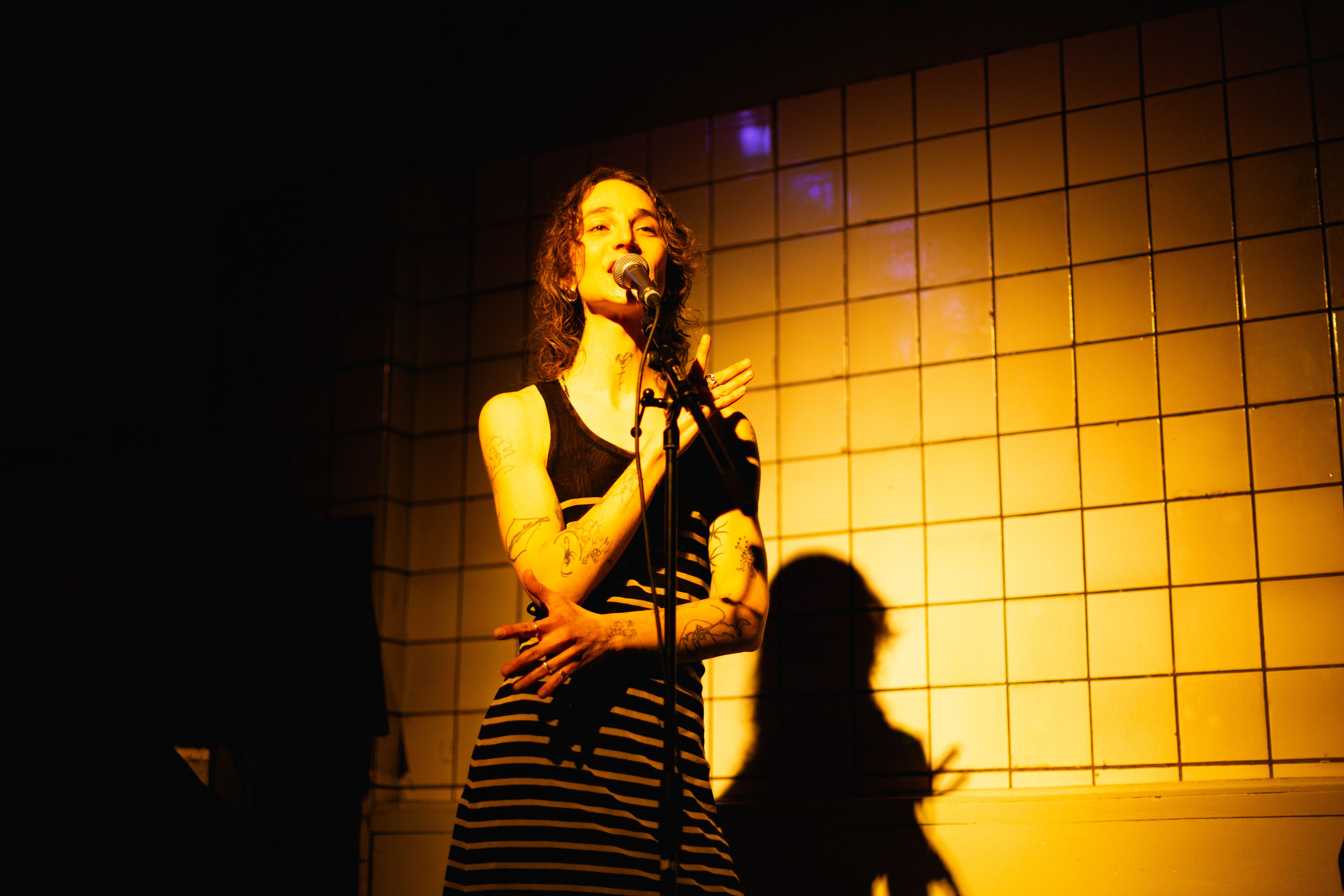
I am playing a set in the autumn at subglow, the party series thrown by CCL at which I’m a resident. This function is always a bit of a family affair – it’s for the dolls, the T-boys, the synth nerds, it’s heavy on the low-end musically but also I’ve played a lot of deep house, or Ethiopian pop, or Summer Walker… And early next year will see the release of an album that I have worked on with the Vancouver-born, Malta-based producer and DJ thurlow joyce. Cole and I have labored over this collection of tracks and spoken word pieces for a few years, and it all started with me hearing him play a sample of the late, great American poet Fanny Howe at an event I booked him for. Big shoutout to Richard Akingbehin of Kynant Records for putting out the record, and making the dub techno landscape just a little bit more transexual.

Photo credit: George Nebieridze.

More info

The 2026 Itchy Fingers – A Writing Residency on Art Books is a collaboration between CAS – Contemporary Art Stavanger and Kiellandsenteret at Stavanger Library and Culture Centre.

Based on Alexander Kielland’s work as an author and social critic, the Kiellandsenteret at Stavanger Library and Culture Centre cultivates literature, reading and writing, and is a meeting place for debate and exchange of opinions.

About the author

Nadia Marcus (*1993, New York City) is a poet, designer, DJ and co-editor of TABLOID Press, a publishing house and media imprint founded with Zack Darsee. Her poetry, art criticism and lyric journalism have recently appeared in 45–120, Ezio Gribaudo: Weight of the Concrete, Arts of the Working Class, and The Ransom Note.

Marcus has given poetry readings and performances in venues such as KW Institute for Contemporary Art (Berlin, DE), Volksbühne am Rosa-Luxemburg-Platz (Berlin, DE), Haus am Waldsee (Berlin, DE), and Ny Carlsberg Glyptotek (Copenhagen, DK). In the last years she has also exhibited visual works at SYSTEMA (Marseille, FR), Kunstverein München (Munich, DE), and Mint (Stockholm, SE). She broadcasts sets regularly at the Berlin-based radio station Refuge Worldwide, and is a resident DJ of the event series subglow.

All articles by Nadia Marcus