🎉 Vinner av Pris for språk og formidling under Årets tidsskrift 2025 🎉

Experimentation isn’t a luxury, a conversation with Kunsthall Stavanger’s New Director Joseph Constable

Kunsthall Stavanger may be heading into its centenary year, but its roots reach further back. In1865, a group of local citizens banded together to form what became Stavanger Kunstforening, or Stavanger Art Association. Back then, the brief was simple: champion the visual arts by buying work straight off their own walls.

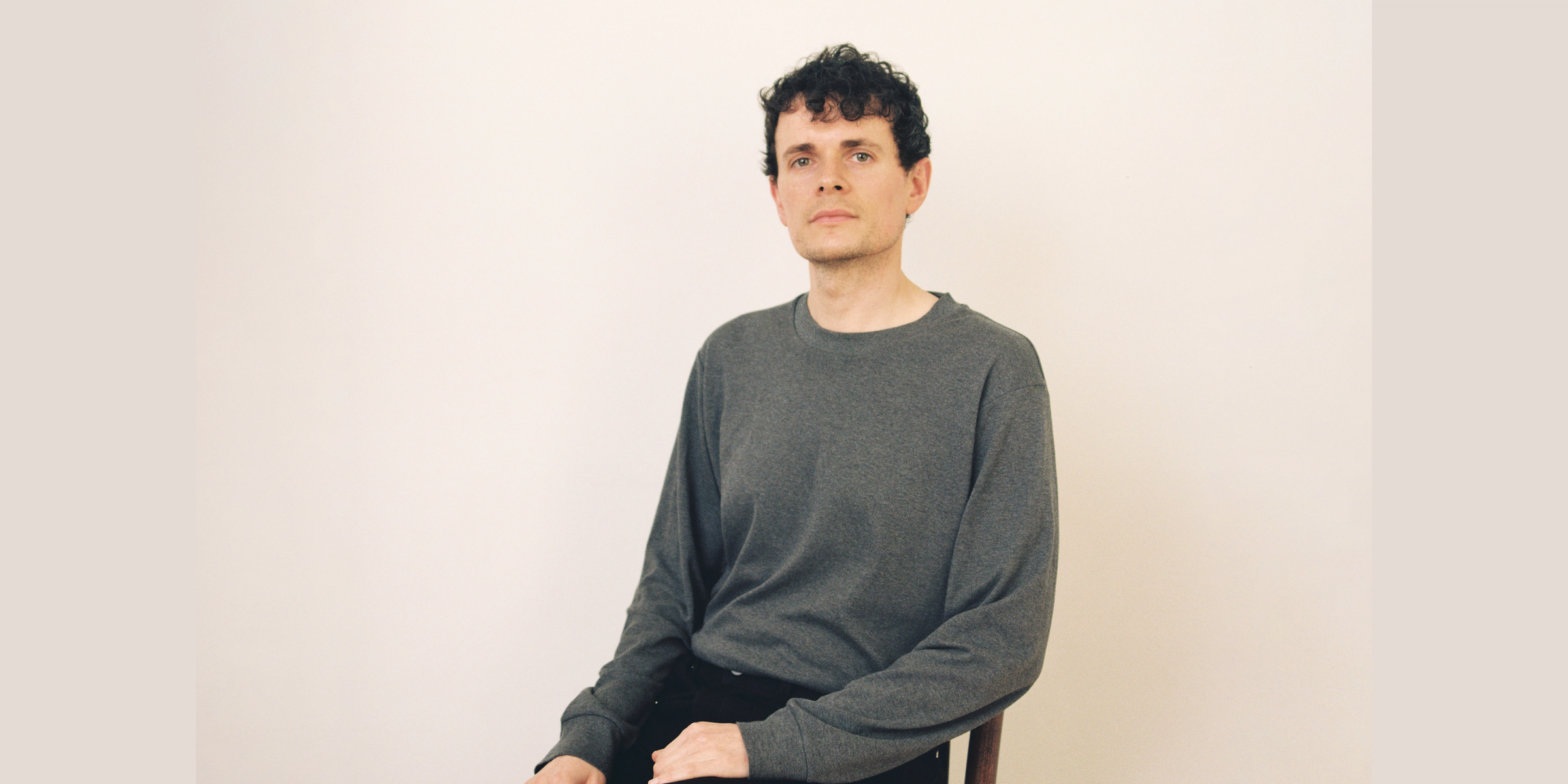
Fast forward to today, as the institution, which was rebranded in 2013 as Kunsthall Stavanger with a more contemporary focus, is welcoming its newest director, British-born curator, Joseph Constable. British-Palestinian journalist and writer Jad Salfiti spoke with Constable about the legacy he’s inheriting, the future he envisions, and the nimble-fingered task of ushering a nearly century-old Kunsthall into a new era.

Joseph Constable, Kunsthall Stavanger's new director. Photo: Jorge Antony Stride

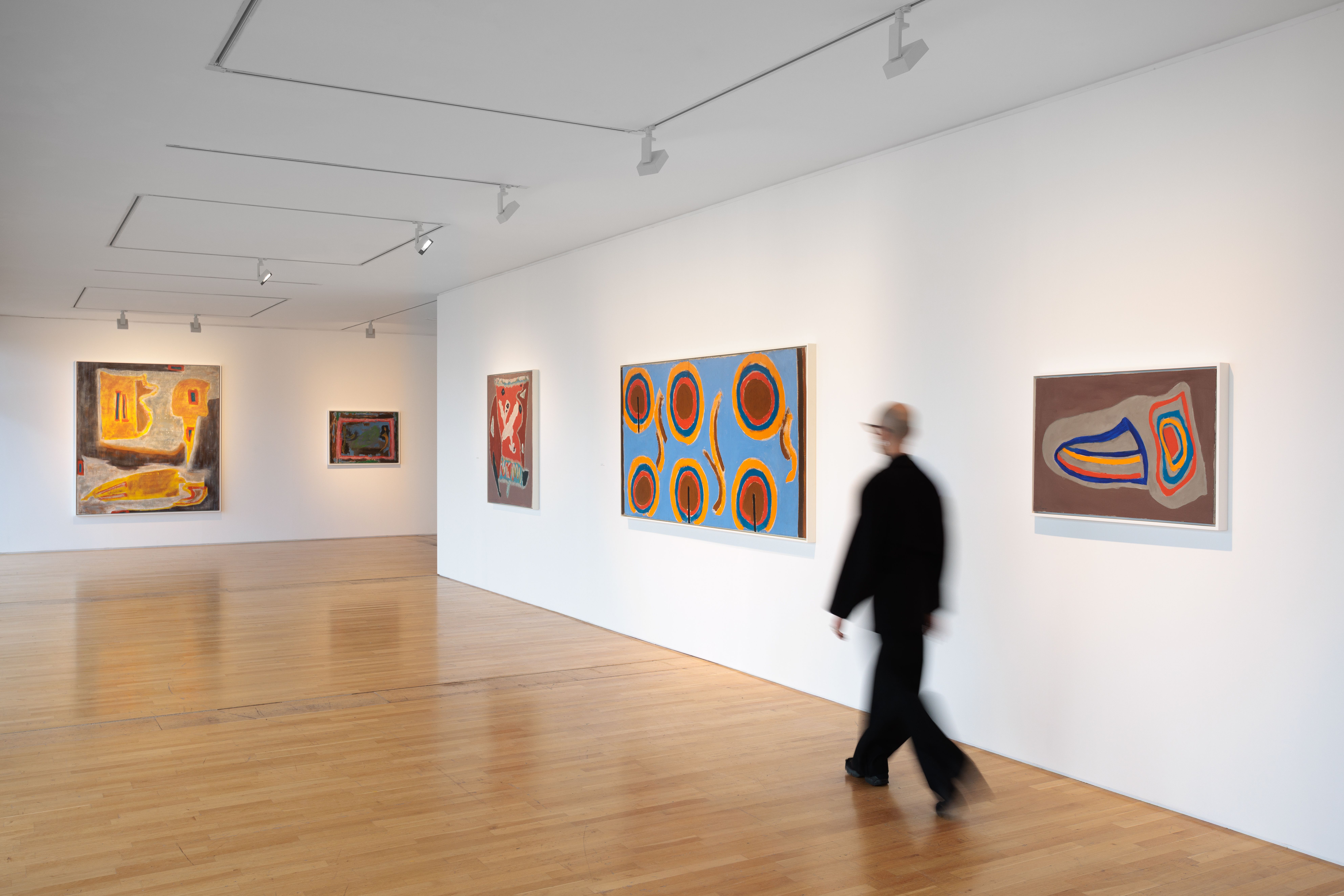
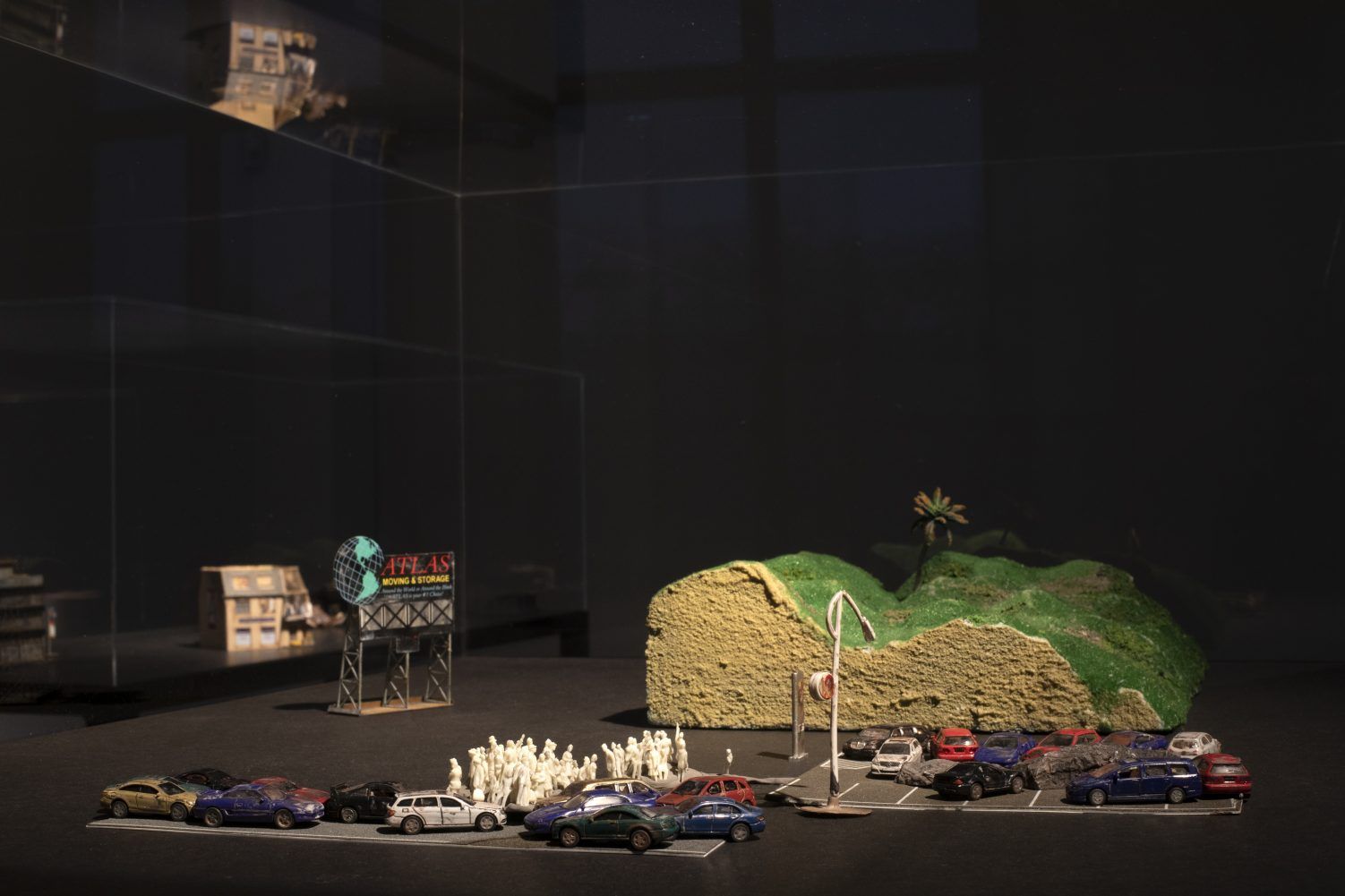
Joseph Constable is taking the helm as director of Kunsthall Stavanger from January 2026. The British-born curator will take the reins from former director Hanne Mugaas, who held the position for 12 years. Constable comes from an impressive curatorial pedigree, having held previous posts at De La Warr Pavilion and the Serpentine Galleries in the UK. As a curator at London’s Serpentine Galleries, he co-produced exhibitions by art titans such as the environmental artists Christo and Jeanne-Claude, the acclaimed postwar abstract painter Albert Oehlen, and Venice Biennale-winning filmmaker and artist Arthur Jafa.

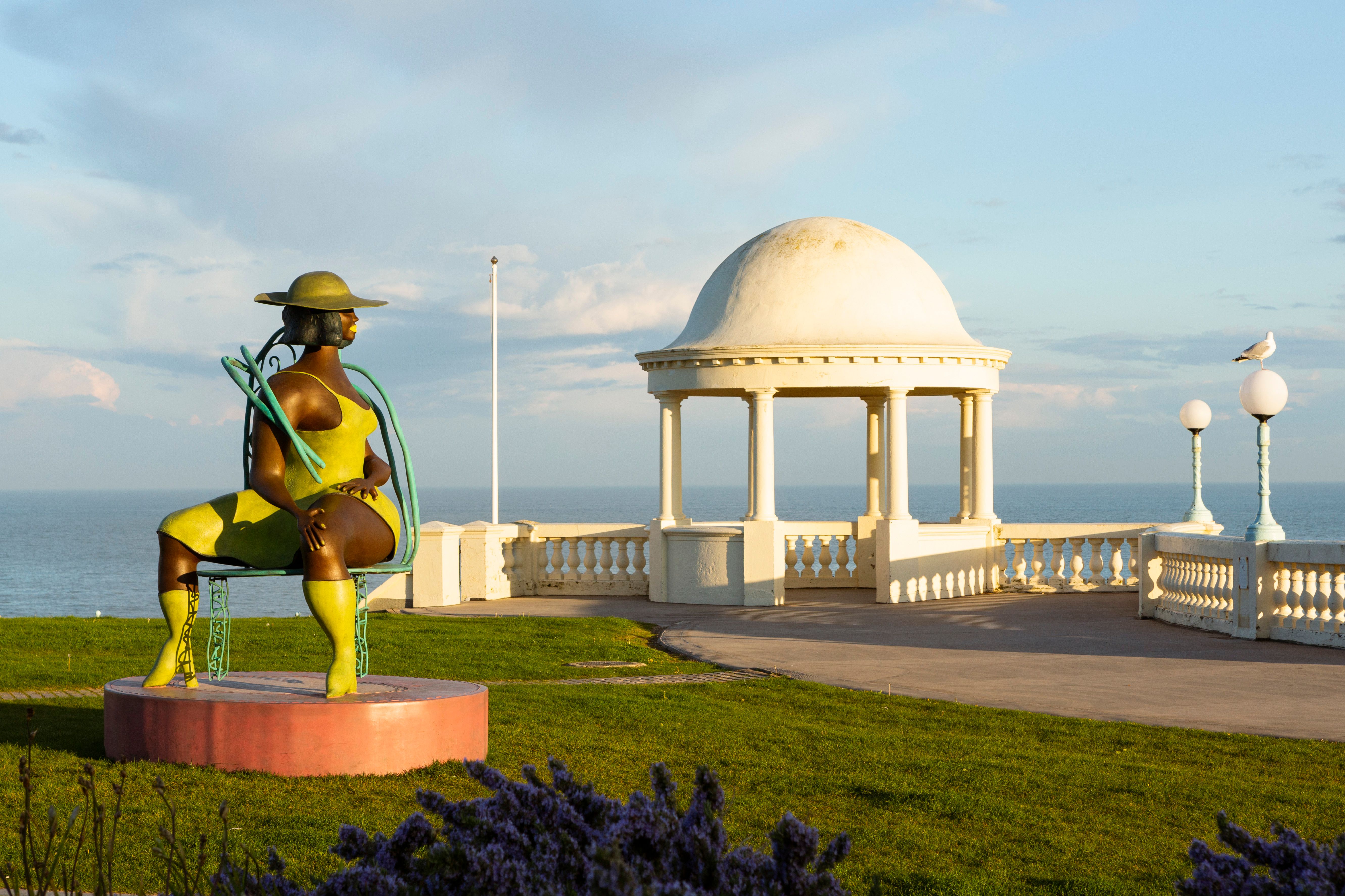
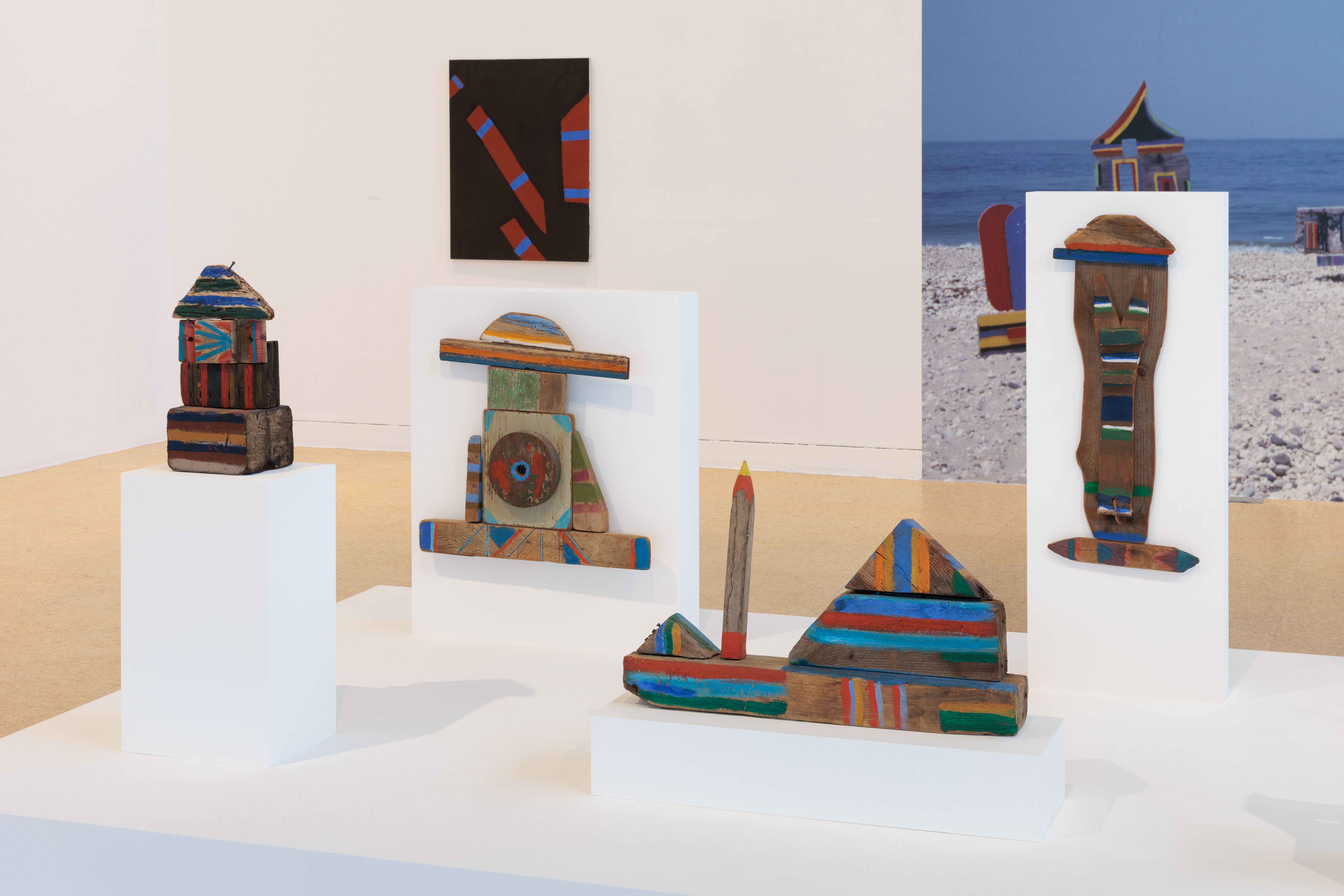
Constable more recently led the visual arts programme as Head of Exhibitions at the De La Warr Pavilion in East Sussex. At De La Warr, he curated a series of exhibitions including the work of celebrated late American artist and gallerist Betty Parsons, the Brazilian artist Hélio Oiticica as well as American artist Tschabalala Self, whose acclaimed 10-foot bronze Seated sculpture was installed on the seafront in front of the Pavilion in 2023. As he steps into his new role at Kunsthall Stavanger, he reveals that storytelling, experimentation and artist-led projects will define his vision for the institution.

Our conversation has been edited for brevity and clarity.

Betty Parsons Sheer Energy, 2025, Installation View, De La Warr Pavilion, Bexhill-On-Sea. Photo: Rob Harris
Jad Salfiti

I would like to go to the beginning. Do you have any early memories that you feel led you towards becoming a curator?

Joseph Constable

I remember from an early age being quite obsessive about looking through art publications – especially several 20th century modern art coffee table books that my mum bought me – noting down the names of artists and artworks that I liked, even making copies of them in my sketchbook (organising and archiving from an early age!). My parents trained as fashion designers and are both very skilled draftspeople, so I was fascinated not only by art and design as a child, but also the process of bringing different things together on the page or in space.

Jad Salfiti

You've previously held roles at the Serpentine Galleries and the De La Warr Pavilion and have worked with several groundbreaking artists. Are there projects from your past experiences that particularly shaped your vision as a curator and leader moving into this new role?

Joseph Constable

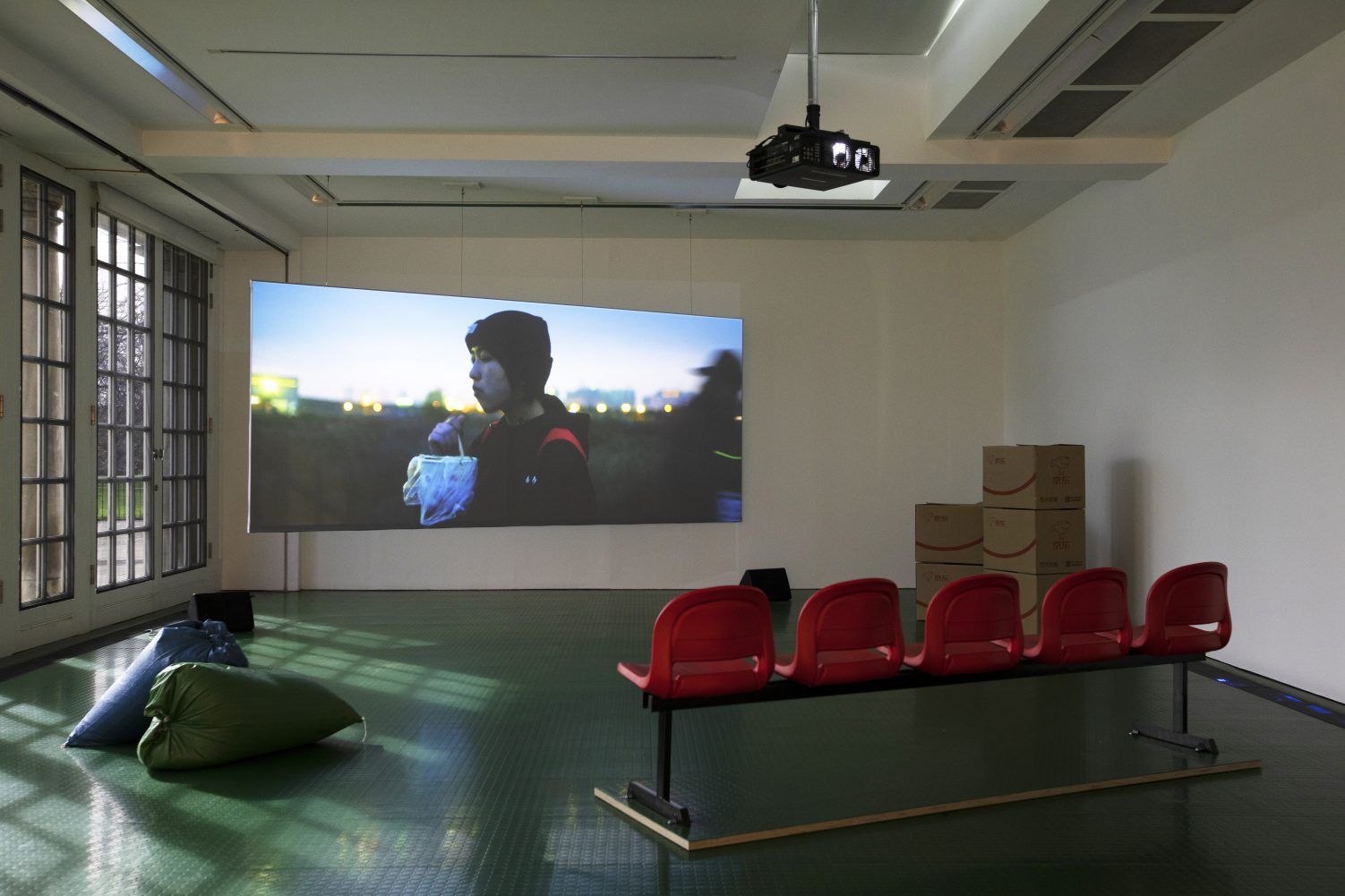
Two projects stand out as particularly formative. The first is Cao Fei: Blueprints, which I co-curated with Hans Ulrich Obrist at the Serpentine in 2020 - the artist’s first major survey show in the UK. In transforming the gallery, we invited visitors to cross a literal and metaphorical threshold, moving from one world into another. The exhibition combined theatrical set design, film, installation, virtual and augmented reality to create a constantly shifting experience, where physical, cinematic, and digital spaces overlapped. It was a kind of guided disorientation, an invitation to move between realities, to be both immersed and reflective. That sense of transformation, of an exhibition as a total environment, has continued to shape how I think about the medium of the exhibition and its potential.

Another project that deeply impacted me was Seated by Tschabalala Self at the De La Warr Pavilion in 2023: a monumental bronze sculpture of a Black woman taking a seat, installed in such a way that she sits gazing out to the English Channel. Shortly after its installation, the work was vandalised in a particularly violent way, when the skin of the figure was spray-painted white. While this was profoundly distressing, it also revealed the power of collective action and solidarity. Within days, over 200 members of the local community came together for a public restoration of the sculpture in a collective act of care and resistance.

That experience reaffirmed for me the importance of listening to artists (Self came up with the idea of organising the restoration event), of holding space for difficult conversations, and of recognising that artworks exist within complex social and political contexts. It was also a lesson in leadership: understanding how to respond with empathy, conviction, and openness, while involving both artist and community to shape the narrative.
Jad Salfiti

How do you balance respect for history with the need for artistic experimentation?

Joseph Constable

The key word for me in this question is ‘need’. Experimentation isn’t a luxury, it’s an imperative, especially in an age marked by division and uncertainty; it is a vehicle to imagine otherwise through the diverse voices of artists. So, in many ways, experimentation is not a departure from the Kunsthall’s history but a continuation of it. It’s about carrying forward that legacy of openness, curiosity, and collective possibility.

True experimentation allows for flow, risk-taking, and the transformative potential of practice itself.
De La Warr Pavilion: Tschabalala Self - Thierry Bal.
Jad Salfiti

What does “artistic experimentation” mean to you in practice?

Joseph Constable

For me, artistic experimentation is closely linked to freedom: the freedom for artists to work unburdened by the limitations of the art market, public opinion, or pre-existing categories that might constrain them, whether in relation to funding, recognition, or commercial considerations. True experimentation allows for flow, risk-taking, and the transformative potential of practice itself.

Experimentation thrives when an institution is responsive to artists’ visions rather than imposing a pre-defined idea of what an exhibition, programme, or artwork should be. It’s about creating space for discovery, dialogue, and the unforeseen. Operating in a small city surrounded by beautiful nature offers a focused space where the impact of experimentation can really be felt – to me, Stavanger feels at once remote and incredibly connected and international, which I believe is a strength.

Jad Salfiti

What drew you to the role of director at Kunsthall Stavanger?

Joseph Constable

I was initially drawn to the role because of the strength and distinct profile of its artistic programme, which has been shaped so thoughtfully over the past 12 years by Hanne Mugaas. It’s exciting to lead an institution with such a strong international outlook and presence, yet one that operates in an agile and intimate way, both through the size of its team and its meaningful role as an artistic and curatorial force within a small city like Stavanger.

This position also represents the opportunity to engage with a new context and to bring insights from my time at the De La Warr Pavilion, where I developed a visual arts programme with relevance locally, nationally, and internationally. I see strong parallels between that regional setting and Kunsthall Stavanger’s, as both allow for a high degree of freedom and experimentation, while maintaining deep connections to their communities.

What really stood out to me is the Kunsthall’s balance between intellectual rigour and playfulness.

Another major draw for me is the building itself, comprising beautiful, large-scale spaces with a lot of potential for artists to expand their practice. I’ve been fortunate to work in several historic and architecturally distinctive venues over my career, and I’m very interested in how Kunsthall Stavanger’s building can be activated through the programme and how artists respond to it.

Finally, what really stood out to me is the Kunsthall’s balance between intellectual rigour and playfulness. That combination of criticality, joy, and curiosity feels essential to creating a contemporary art institution that is both conceptually ambitious and deeply connected to its audiences.

From Joseph Constable's time at Serpentine Galleries: Cao Fei, Blueprints (Installation view, Serpentine Gallery, 2020). Photo: Gautier Deblonde
Jad Salfiti

As the Kunsthall approaches one hundred years, what aspects of its legacy feel most important to preserve, and where do you see room for change?

Joseph Constable

As the Kunsthall approaches its centenary, I think it’s safe to say that it has already established its legacy as a leading space for contemporary art, one deeply committed to experimentation, criticality, and meaningful encounters with audiences. Its embrace of urgent voices and bold ideas is something I find deeply inspiring, and very aligned with how I’ve approached my own curatorial work.

Looking ahead, the Kunsthall is at an exciting moment of renewal. The new strategy that carries the organisation through to 2030 identifies storytelling as a key theme, something I find both timely and full of potential. For me, the question is: how do we communicate and tell stories through the visions and critical perspectives of artists? And how can those stories draw audiences more deeply into what we do?

Reflecting on one hundred years of the Kunsthall’s building, I also think it’s vital to acknowledge its place within the fabric of Stavanger. As an architectural landmark, it’s a site of cultural heritage and civic identity.

Jad Salfiti

The building was officially inaugurated in 1925 by King Haakon VII to celebrate the city’s 800-year Jubilee. So it’s kind of a monument. In some ways your role indeed is something of a revival, or a return to an idea or a seedling, that was the original plan 100 years ago.

Joseph Constable

In 2025, the renovation of the garden space, initiated by Hanne and the team, will also begin a new chapter through a new outdoor space for the institution, improved accessibility and, of course, new possibilities for programming.

That shift from focusing solely on the galleries to embracing the outdoor potential of the site feels significant. It mirrors a broader ambition to move beyond the walls of the institution, to engage more deeply with local audiences, and to foster greater porosity between the Kunsthall and the city.

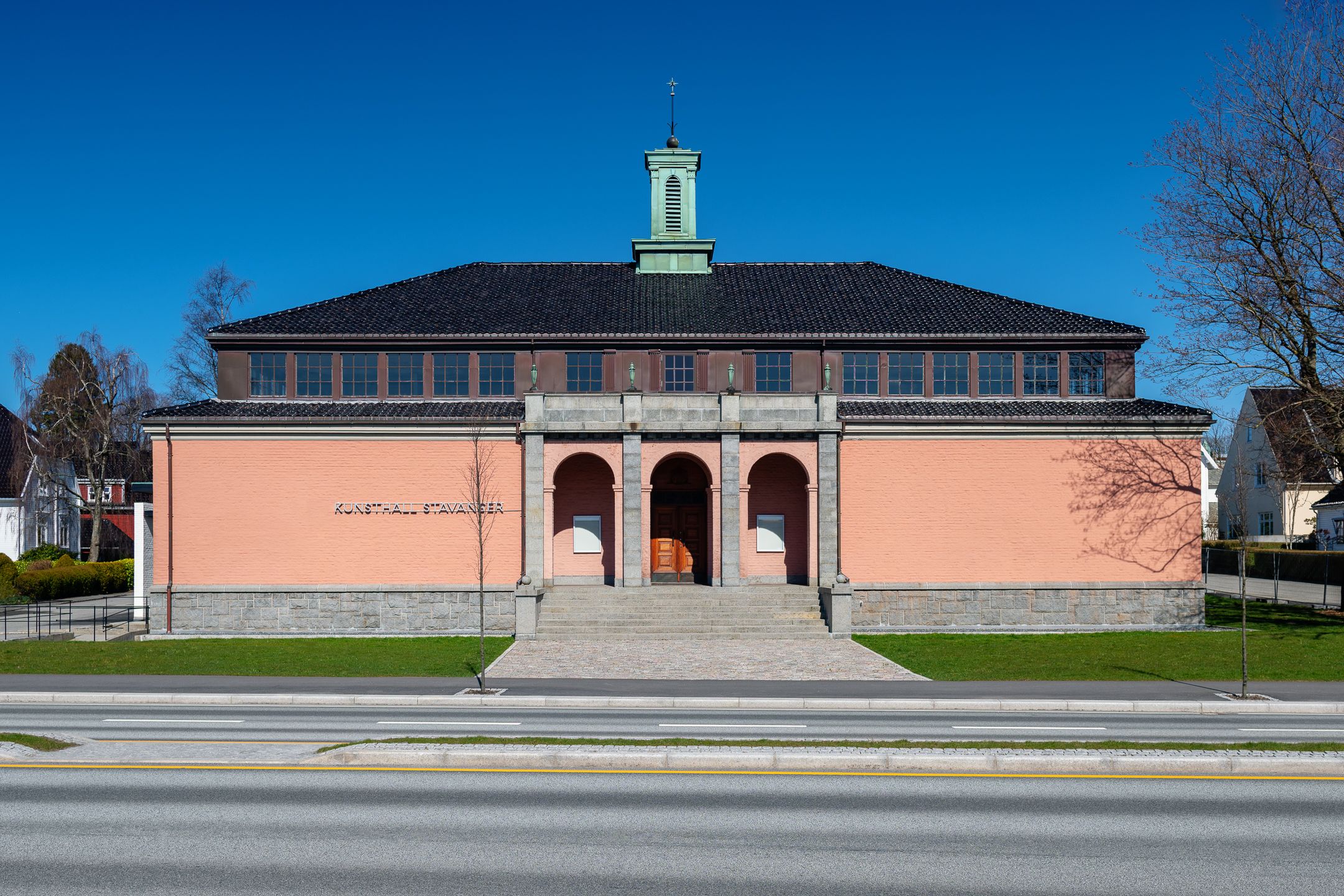
Kunsthall Stavanger (before current garden renovation). Photo provided by the institution.
Jad Salfiti

As you prepare to open a new door at Stavanger, what lessons are you bringing with you?

Joseph Constable

One of the key lessons I’m bringing with me, which connects to a previous question, is the importance of being artist-led with intent. I’ve always believed that artists are often best placed to offer us alternative ways of thinking, living, and connecting. Through my various curatorial projects, my intention has always been to listen, facilitate, and guide those visions in ways that create meaningful encounters for audiences – experiences that are impactful yet inclusive, that don’t isolate but instead invite connection.

At the Serpentine, I gained experience across exhibitions, live programmes, architecture, and publishing, which gave me a well-rounded understanding of how a contemporary art institution can bridge multiple forms of practice and connect to audiences in varied ways. Later, at the De La Warr Pavilion, I learned the importance of balance: how to sustain a programme that is locally rooted yet nationally and internationally visible.

Many visitors come simply for a cup of coffee, to meet friends, or to look at the sea, and in doing so, they might unexpectedly encounter an exhibition of an internationally recognised artist. Those moments of discovery are powerful.

I have long been interested in the role of storytelling when it comes to exhibition making, and how by engaging with artists and artworks, we can access new perspectives and experiences within our day-to-day lives. One of the things I found particularly inspiring at the De La Warr was the way people engaged with the building. Many visitors come simply for a cup of coffee, to meet friends, or to look at the sea, and in doing so, they might unexpectedly encounter an exhibition of an internationally recognised artist. Those moments of discovery are powerful, and I’d love to think about how a similar sense of openness and invitation can shape the experience at the Kunsthall. What does it feel like to walk through the doors? How does the architecture mediate the experience of the exhibition? How can every layer of the visit - from arrival to encounter - feel intentional and generous?

Jad Salfiti

How do you plan to collaborate with the Kunsthall’s team and community during your first months?

Joseph Constable

My priority will be listening and learning, both from the brilliant team at the Kunsthall and from the wider arts community in Stavanger. Coming to Norway from the UK, and having never lived here before, it’s particularly important to me to understand the dynamics and nuances of this arts ecosystem. Ultimately, my goal is to create multiple entry points for the local community to connect with the Kunsthall: through participatory experiences, education, event-based programming, and a holistic approach to exhibitions that activates the institution throughout the year.

Acting with integrity and care has always been central to my practice, both in my work with artists and in my relationships with colleagues. Maintaining that approach will guide how I engage with the team and the community.

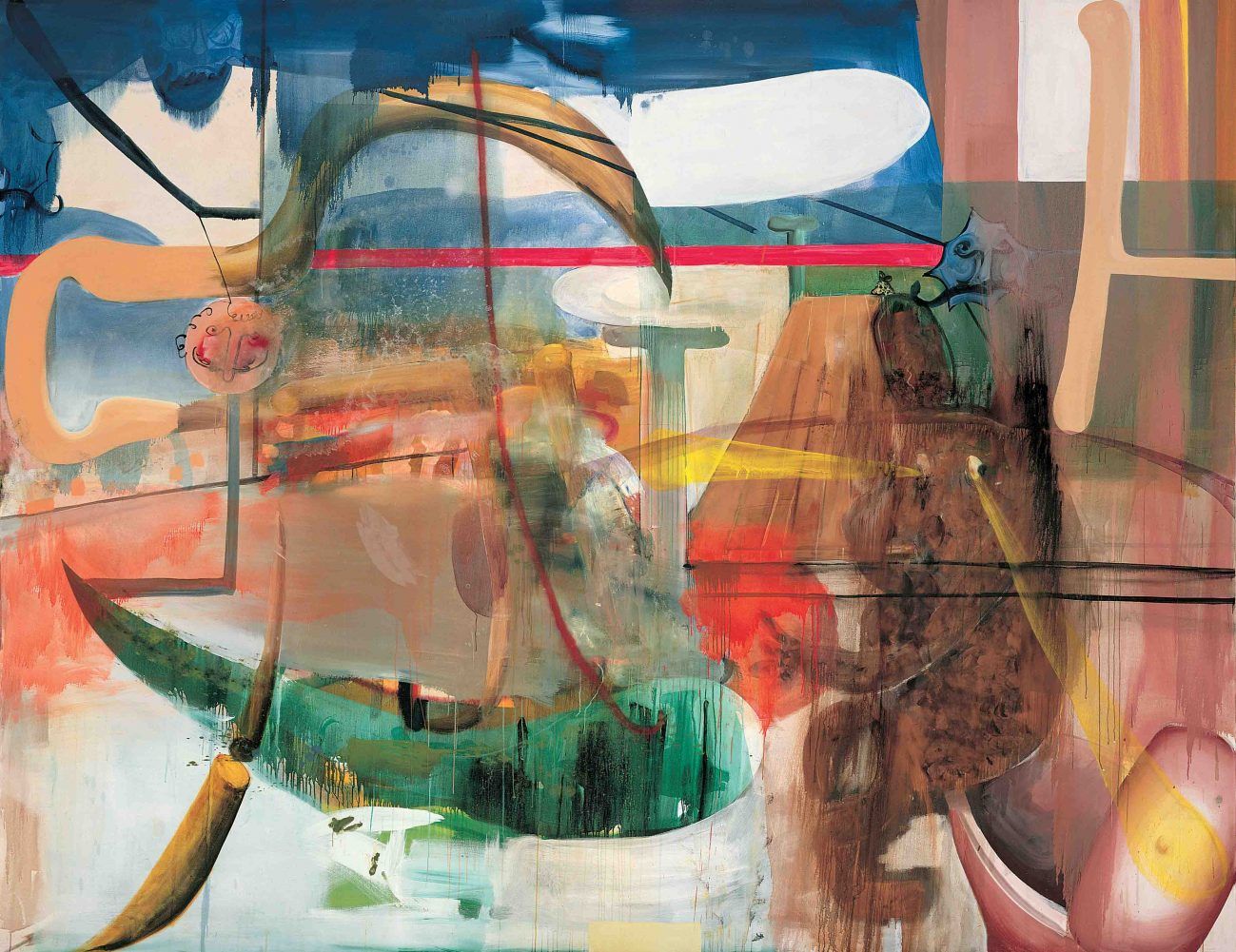
From Joseph Constable's time at Serpentine Galleries: Sohn von Hundescheisse 1999 Oil on canvas 278 × 359 cm Private Collection Photo - Archive Galerie Max Hetzler, Berlin | Paris © Albert Oehlen
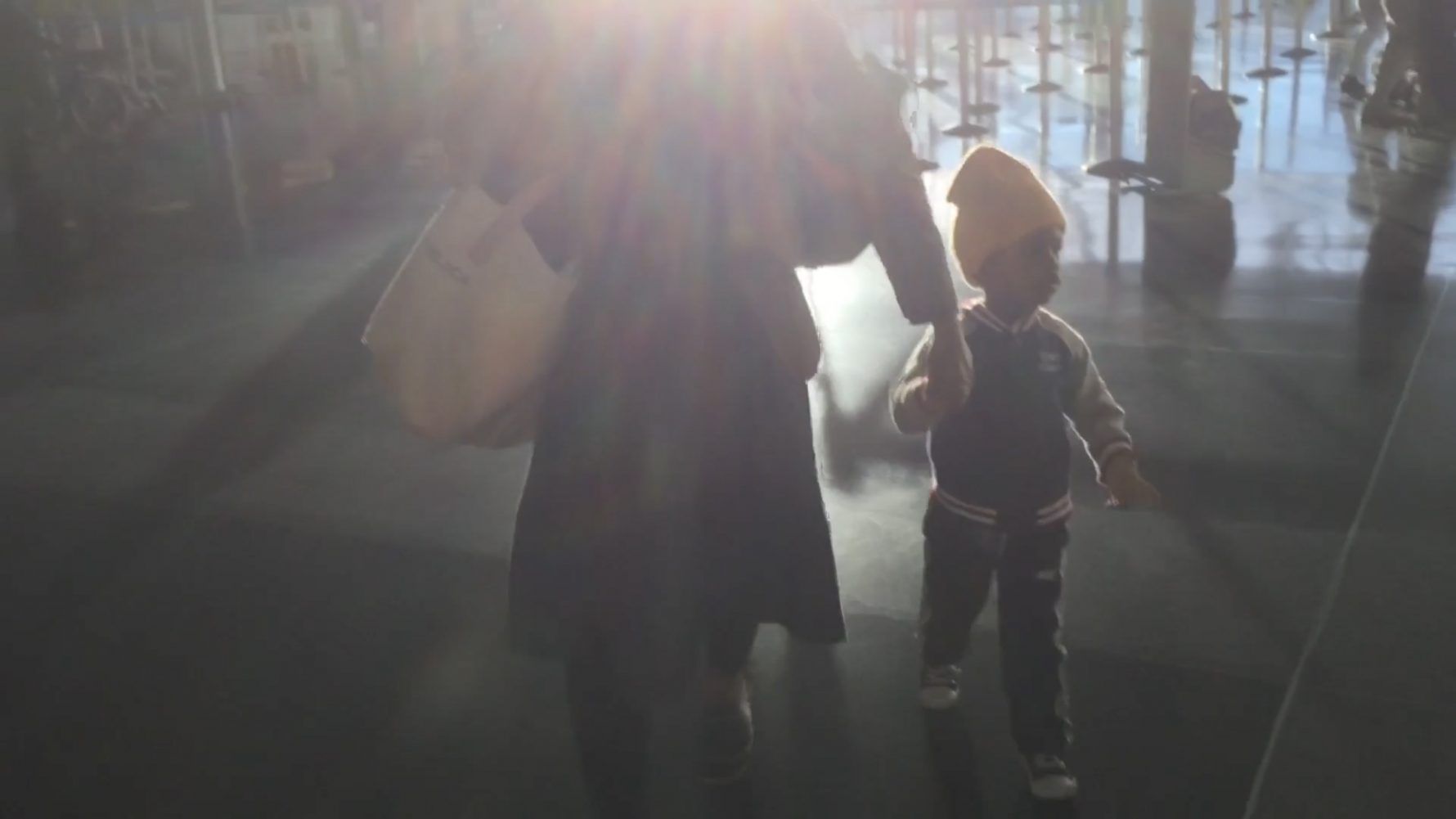
From Joseph Constable's time at Serpentine Galleries: Love is the Message, The Message is Death (still), 2016; Video (colour, sound); 7 minutes 25 seconds; Courtesy- The Artist and Gavin Brown's enterprise (New York / Rome).
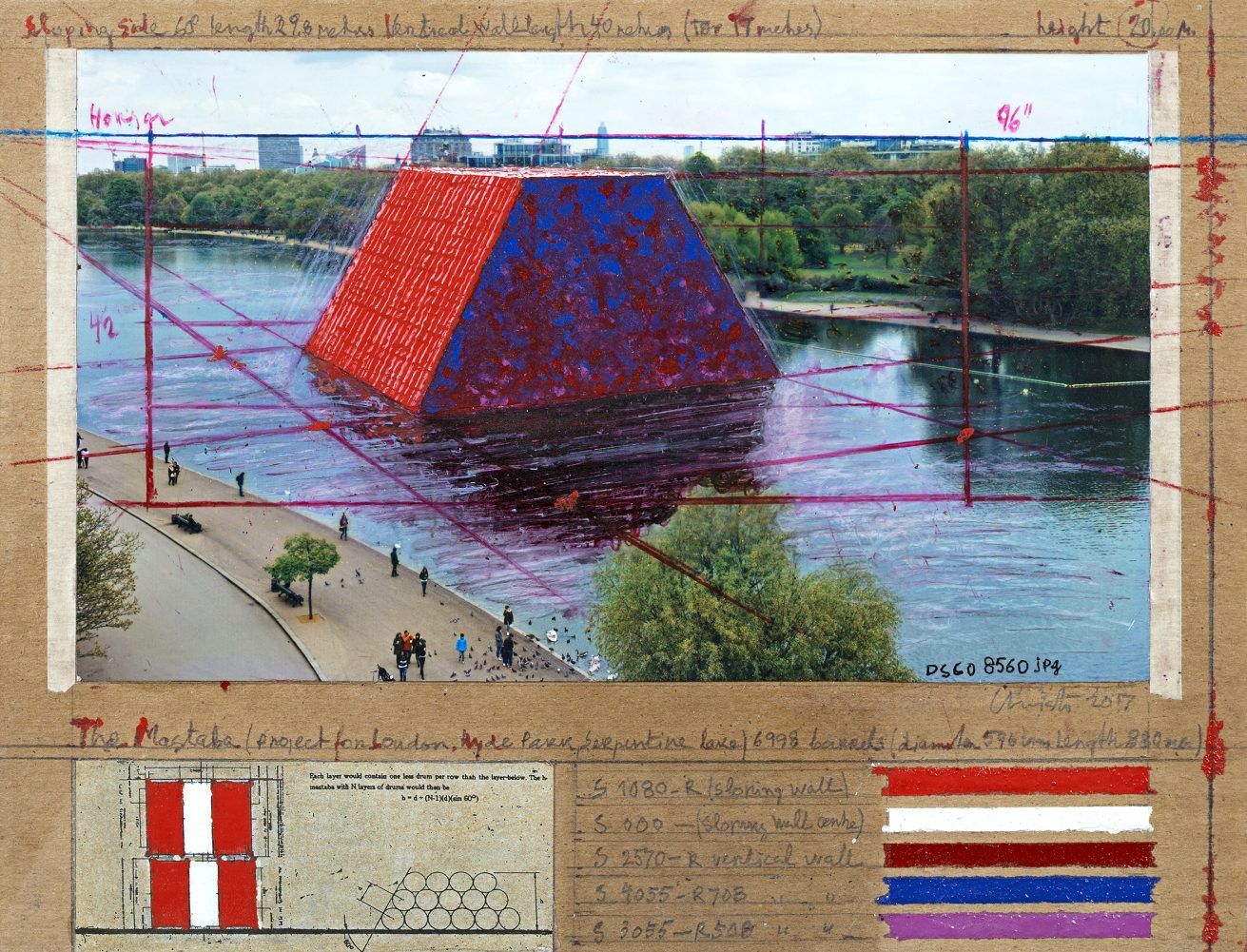
From Joseph Constable's time at Serpentine Galleries: Christo and Jeanne-Claude‘s temporary sculpture, The London Mastaba, Serpentine Lake, Hyde Park 2016 – 2018​.
Jad Salfiti

You mentioned integrity, but what does that actually look like in the day-to-day? How does one put it into practice?

Joseph Constable

For me, integrity means working in a way that is open, thoughtful, conscientious, and fair in order to build trust and respect with those that I collaborate with. It connects to what I mention elsewhere about the importance of adaptability: every artist and visitor is different, and so integrity also means being responsive and equitable in how we extend invitations, develop relationships, communicate what we are doing, or welcome people into the building. Underpinning all of this is a commitment to warmth and kindness, both internally and externally, because as an institution we are, ultimately, hosts.

Ultimately, I want the Kunsthall to be a space where discovery and dialogue are constant, where every visit feels like an invitation into something new.
Jad Salfiti

Finally, are there particular themes, artists, or collaborations you’re eager to explore?

Joseph Constable

I’m particularly excited by the potential to commission artists to realise ambitious new works for the galleries, including through co-commissions with other institutions internationally. This approach, which I’ve developed at both the Serpentine and the De La Warr Pavilion, allows us to share resources and boost visibility.

Kunsthall Stavanger’s emphasis on supporting emerging artists aligns closely with my own interests, and I see the institution as a strong platform for critical inquiry. At the same time, I want to continue foregrounding diverse voices by championing artists from the global majority and LGBTQIA+ communities and exploring alternative or unseen histories. This could involve highlighting mid- or late-career practitioners who deserve wider recognition, as well as thematic or group exhibitions that interrogate overlooked narratives and identities.

Beyond the visual arts, I’m keen to develop interdisciplinary and experimental programming that spans performance, music, film, and spoken word - bringing new energy to the galleries and prompting visitors to experience art in multi-sensory, participatory ways. Ultimately, I want the Kunsthall to be a space where discovery and dialogue are constant, where every visit feels like an invitation into something new.

About the author

Based between Berlin and London, Jad Salfiti is a British-Palestinian journalist specialising in the intersection of culture and politics.

All articles by Jad Salfiti