
Exploring the visual art scene of Norway's southwest coast ➜ Since 2015

Land and songs, lands of songs

In June, Sarah Kazmi visited Stavanger as a CAS Resident in Art Writing. During her stay, Kazmi spent several weeks researching Visnings, a long-term research project tracing the relationships between migration, place and the layers of memory that exist across geographies. In collaboration with CAS and Mooar Residency, Kazmi presents a series of research notes towards a new iteration of the project, titled From Land to Sea to Land to Sea to Land to Song, bringing together a range of auditory materials, from songs and poems to shanties and interviews.

The word ‘land’, derived from Middle English, also cognates with German and Dutch ‘Länder’// LEHN-dur first meant the parts of the earth’s surface that are not covered by water. Moreover, it was used to define ‘earth, ground and soil’, which was synonymous to the home region of a person’s territory marked by political boundaries. Since the 17th century, the word ‘land’ has evolved to encompass a variety of interpretations that are still used today.

hence the

promised land

no mans land

la la land

landing a dream

land of plenty

land of opportunity

land of milk and honey

where as song,

a song may be sung to nothing, beats of mouth, instruments, inhale and exhale,

sigh and hymn,

with gender shifting,

voice extending

a poem

a word, an alphabet,

stretched so far from voice to sound,

a rhythm

moving to the noise

of the ship and water,

shanties,

sung by many

onboard

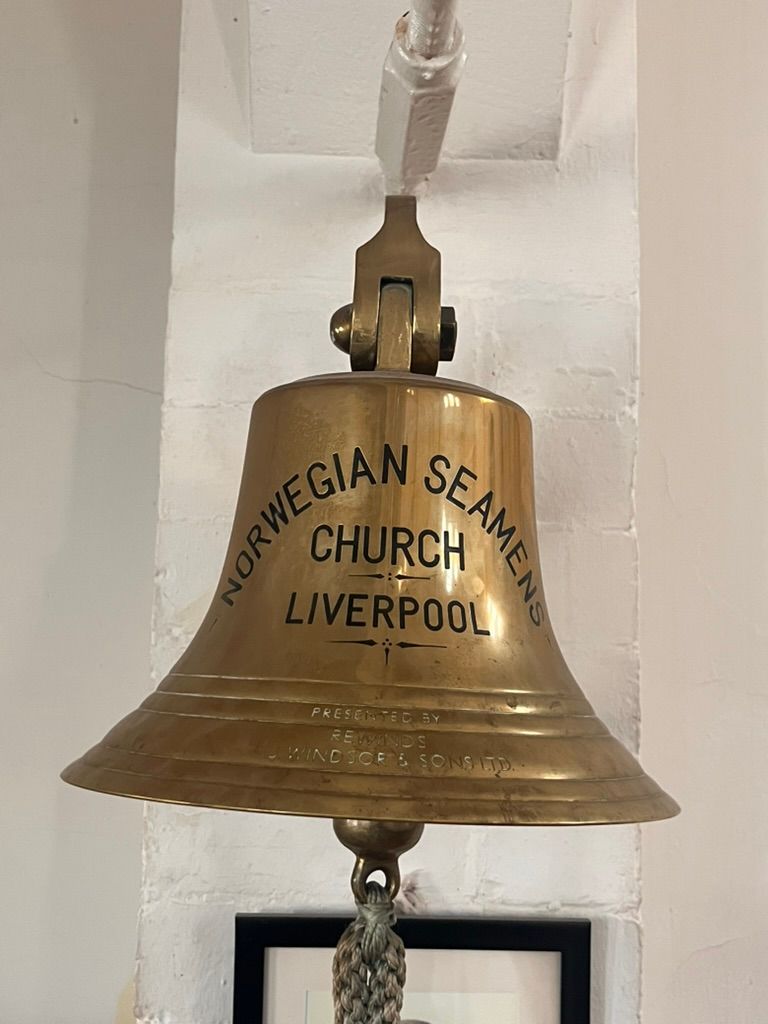
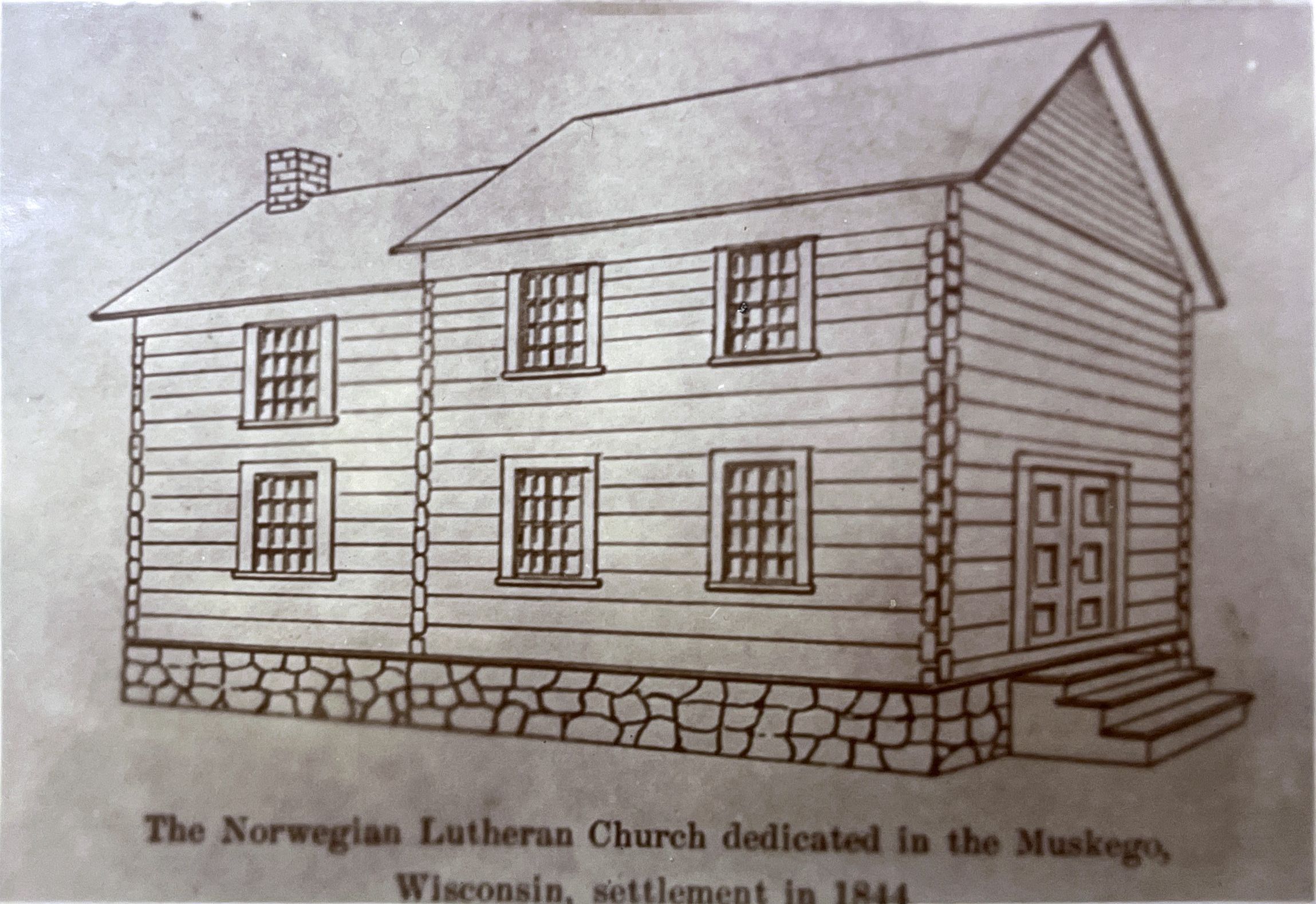
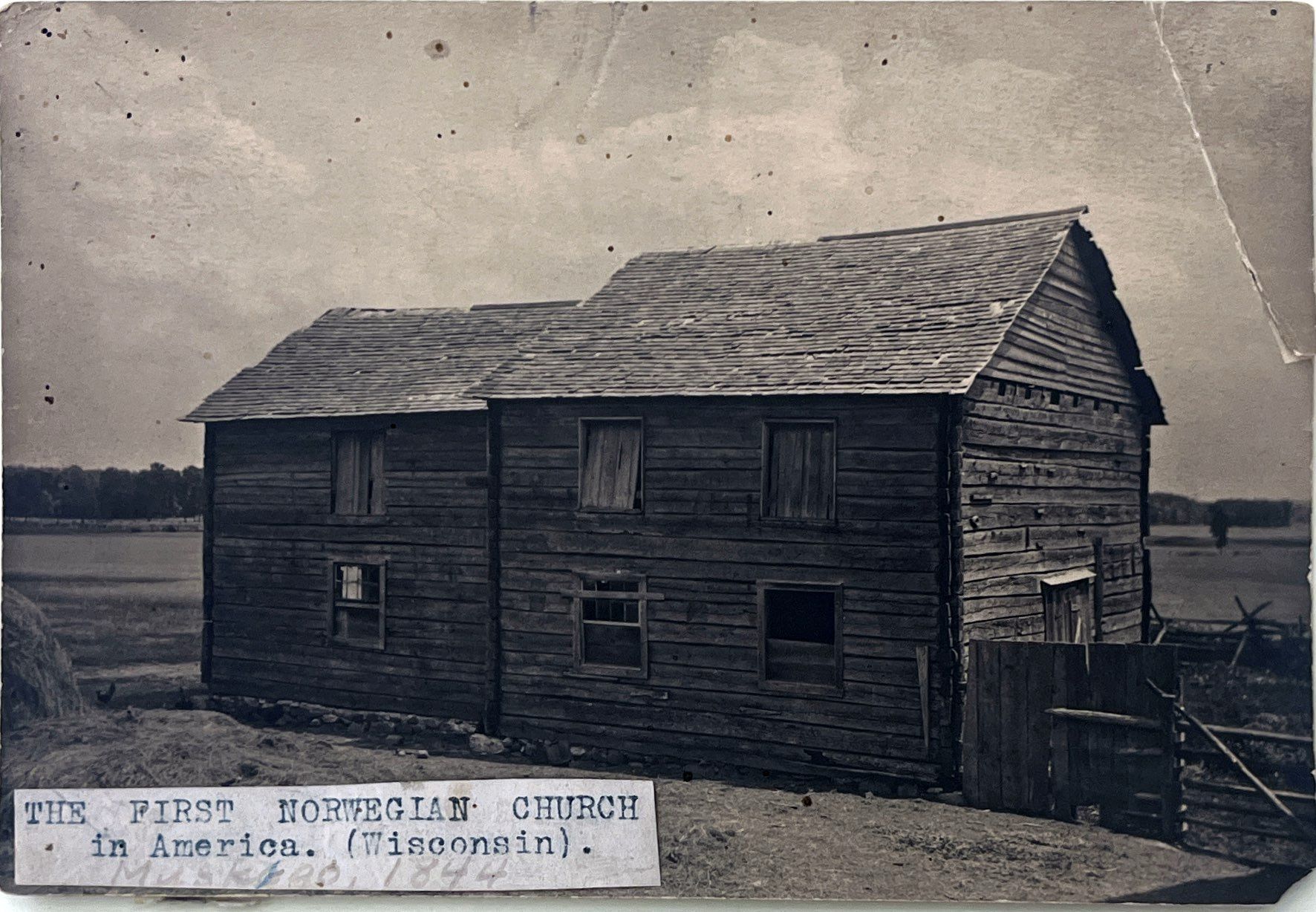
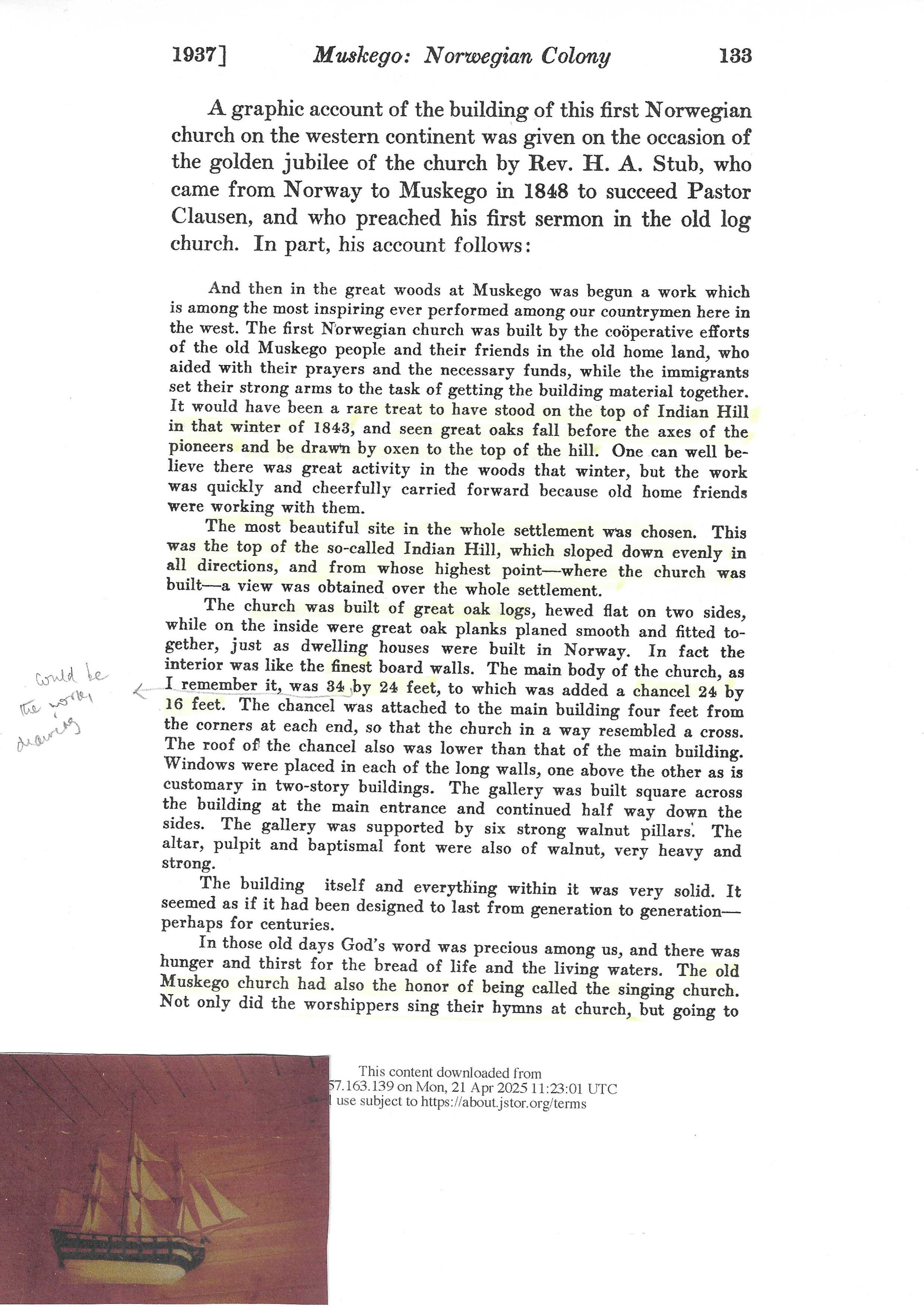
in a church,

moving, log by log, from land to sea to land to sea to land to sea, to land

landing

which land,

whose land?

land

landguage

which language do I sing in? whose land do i sing to?

memory,

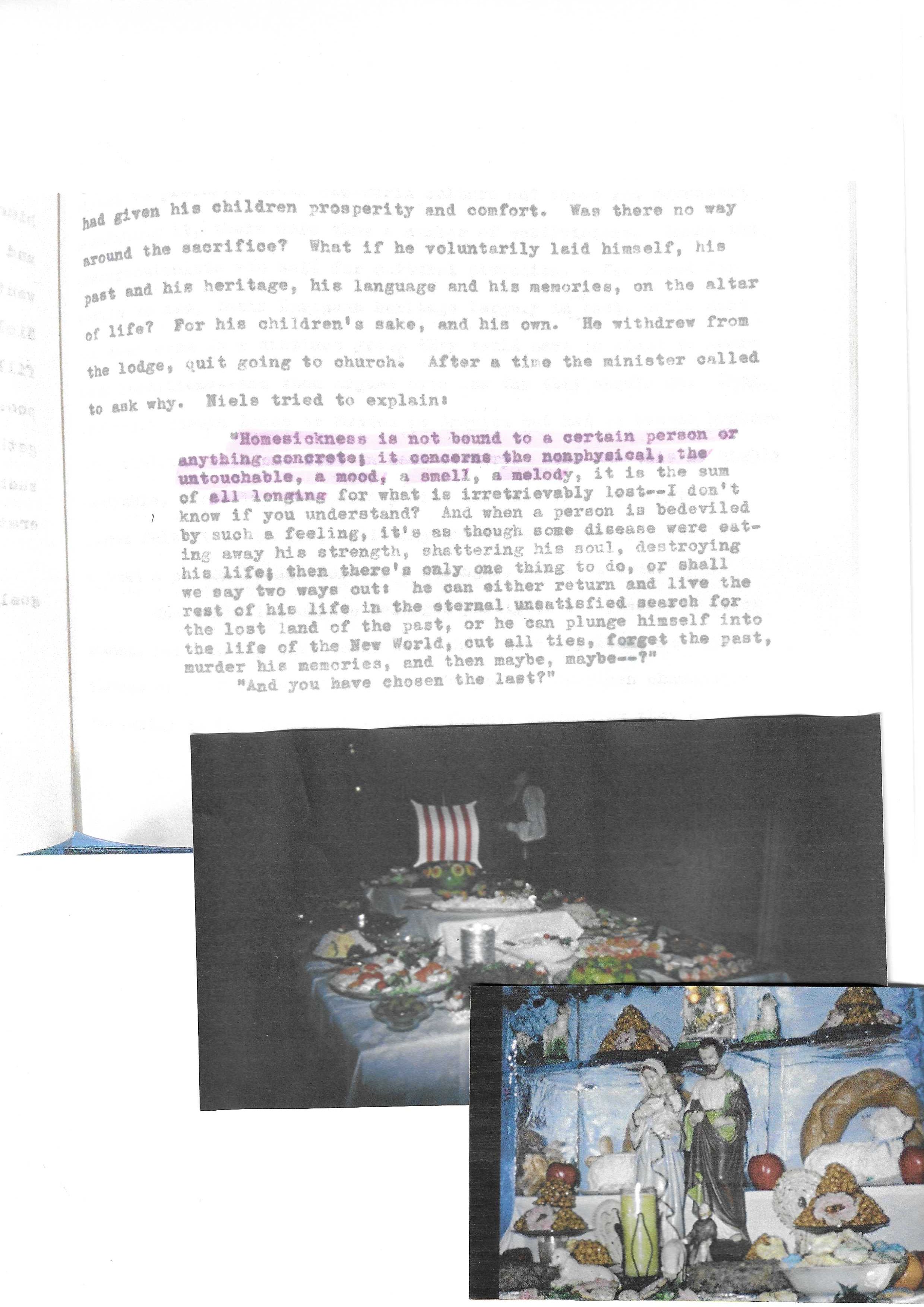
i sing in memory, of memory, with memories

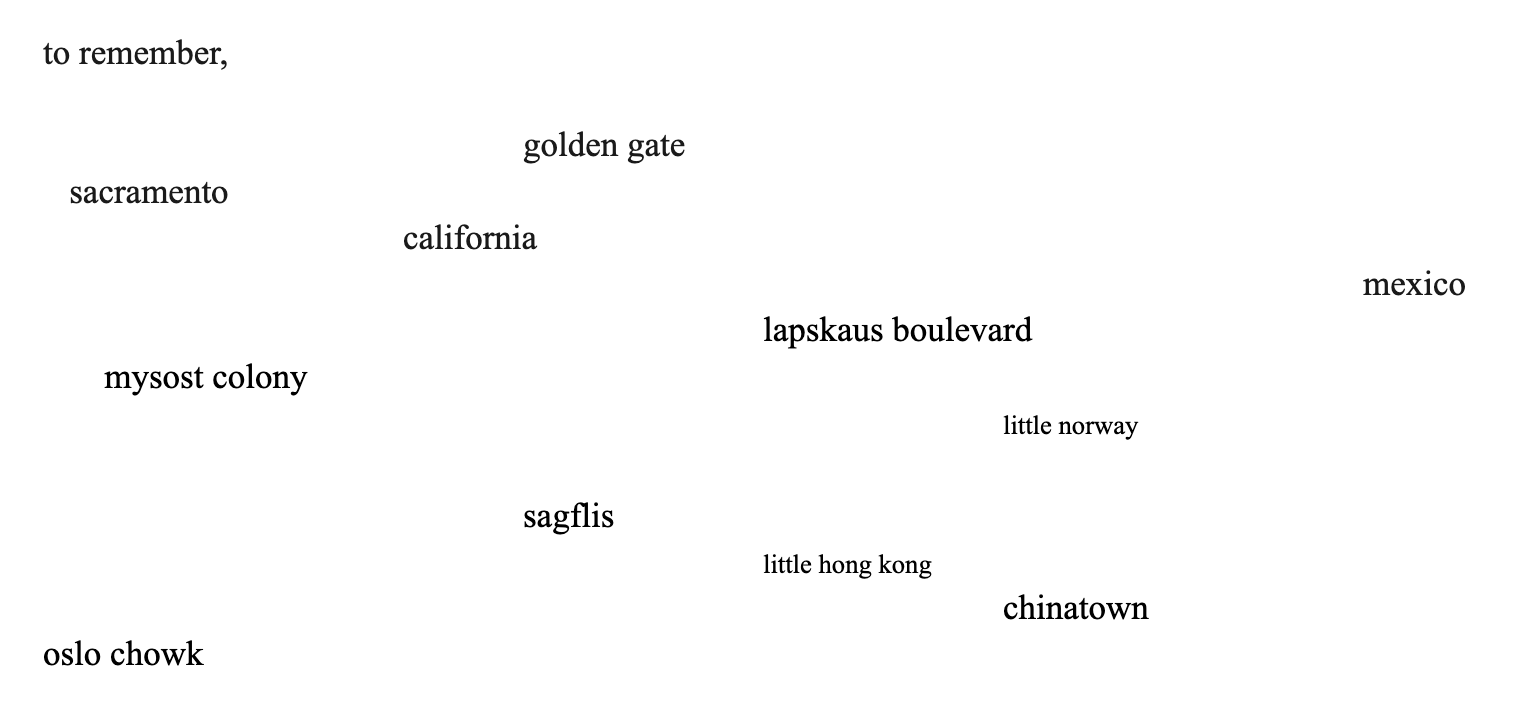
to remember, and resist,

land

a story,

pass time,

together

Norway is preeminently a land of song.
Olav Elling Eidbo

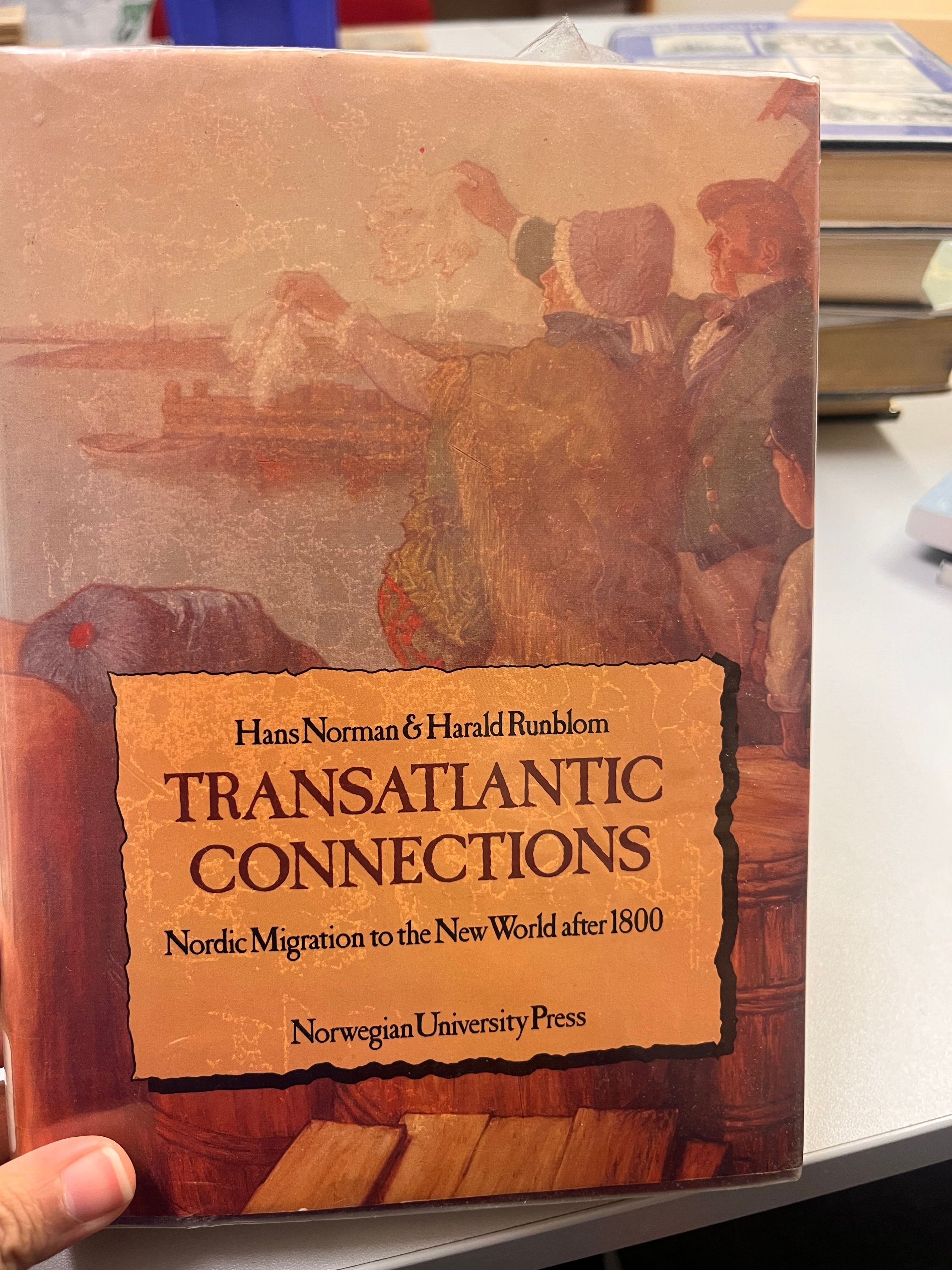
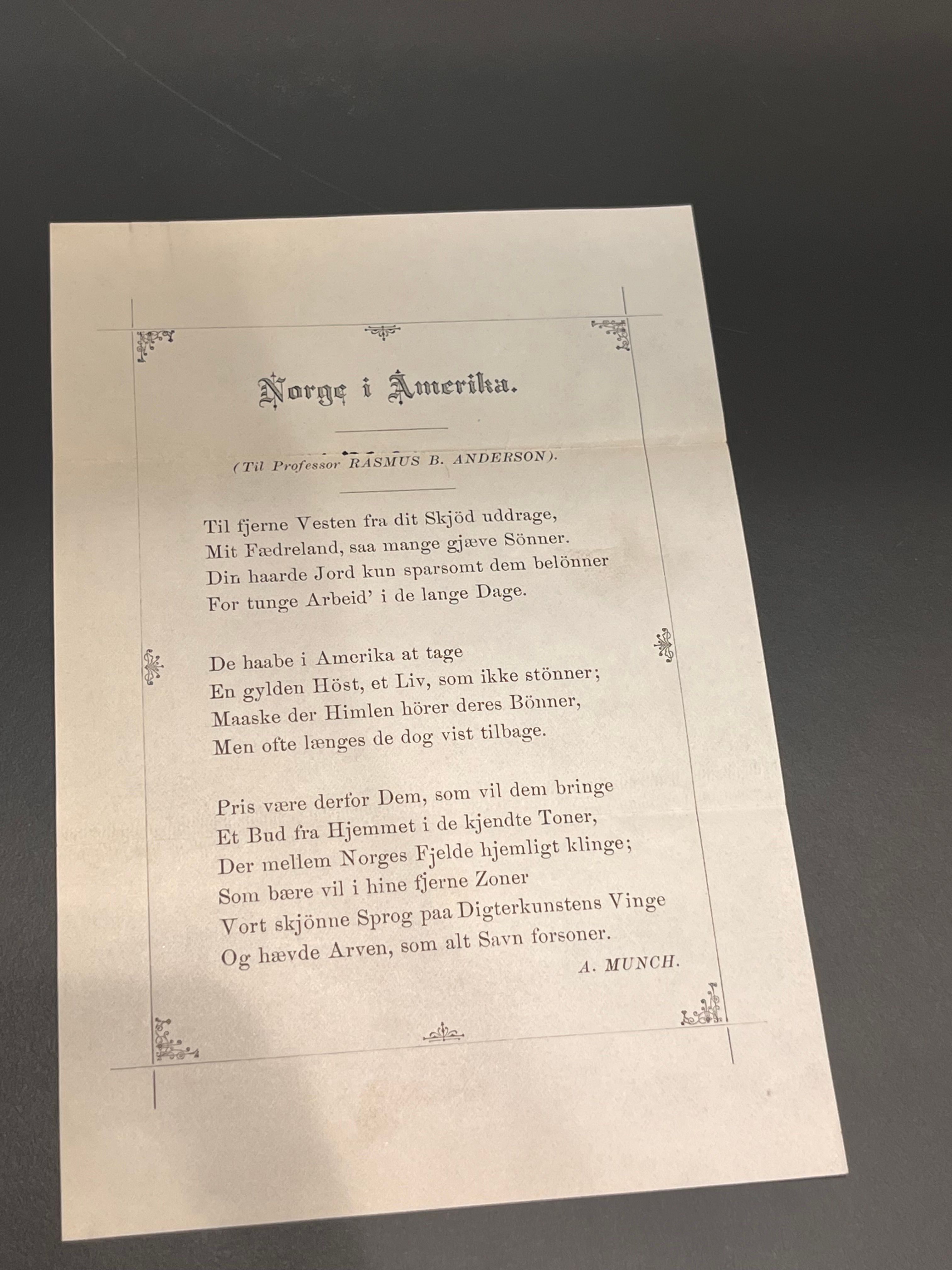
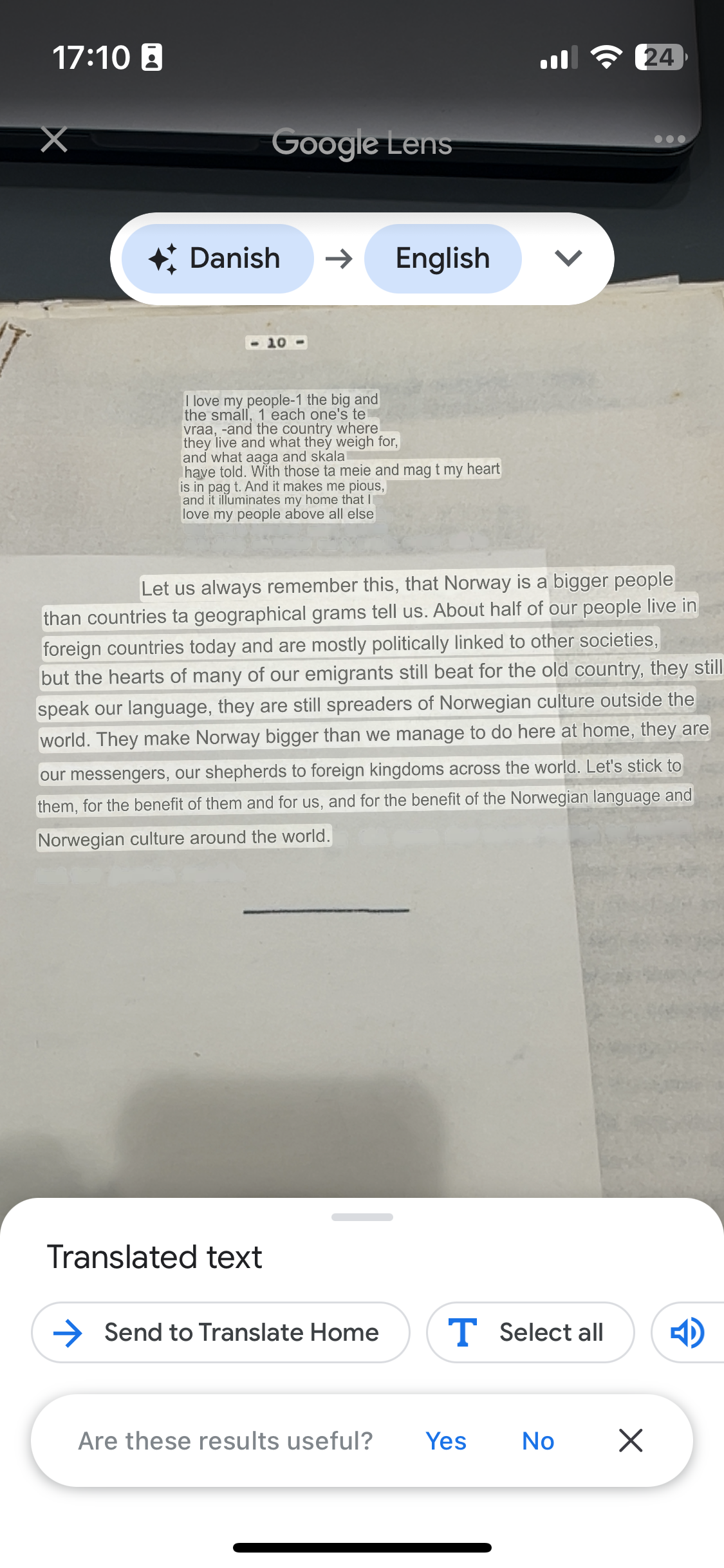
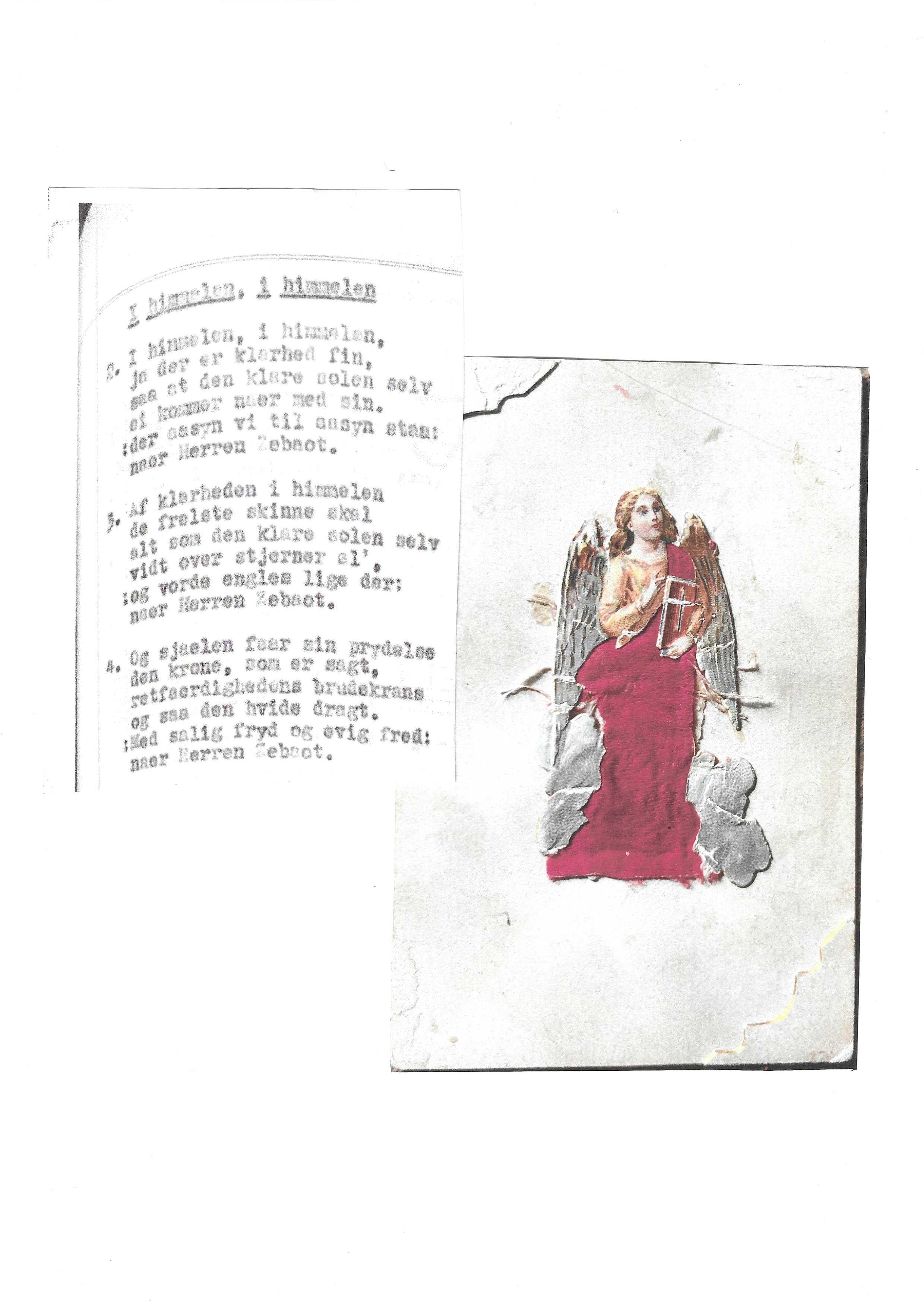
Norway is preeminently a land of song, says Olav Elling Eidbo in his dissertation "Songs of the Norwegian folk in culture and education in the United States”. Found in the archives at the National Library of Norway in Oslo, the text continues saying, “Her folk music, however, divides itself into instrumental music as well as vocal music.” It is estimated that between three and four thousand folk melodies of both types have been transcribed and are in the National Library in Oslo.

1 / 4

From land to sea to land to sea to land to song is one of many iterations of my long-term research project Visnings. Presented as an experimental sound collage on Resonance FM, it weaves together sonic archives including songs, poems, shanties and interviews to reflect on spaces – real and imagined – examining how migration reshapes our built environment and how memory, faith, adaptation and resistance endure across transnational contexts.

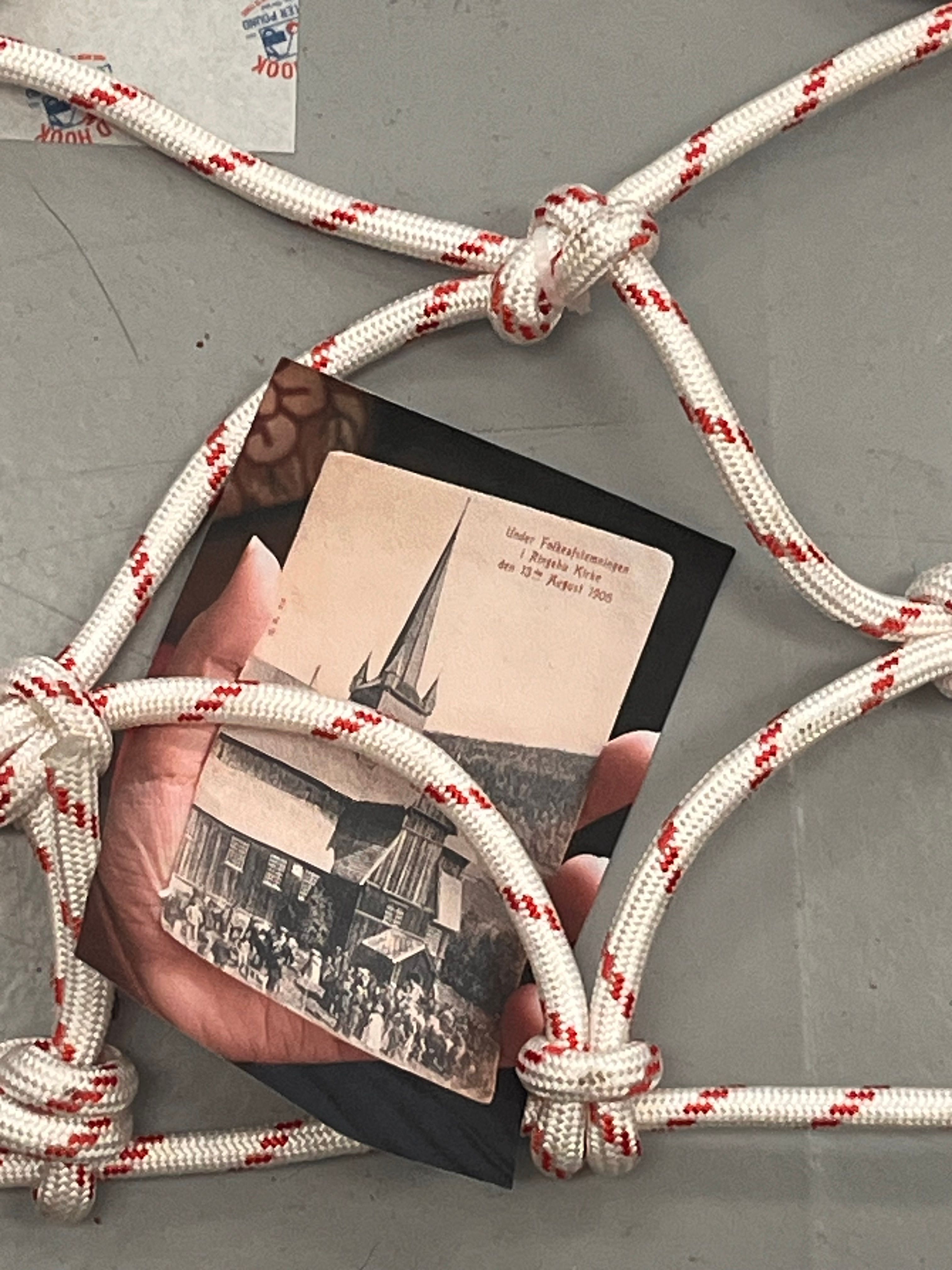
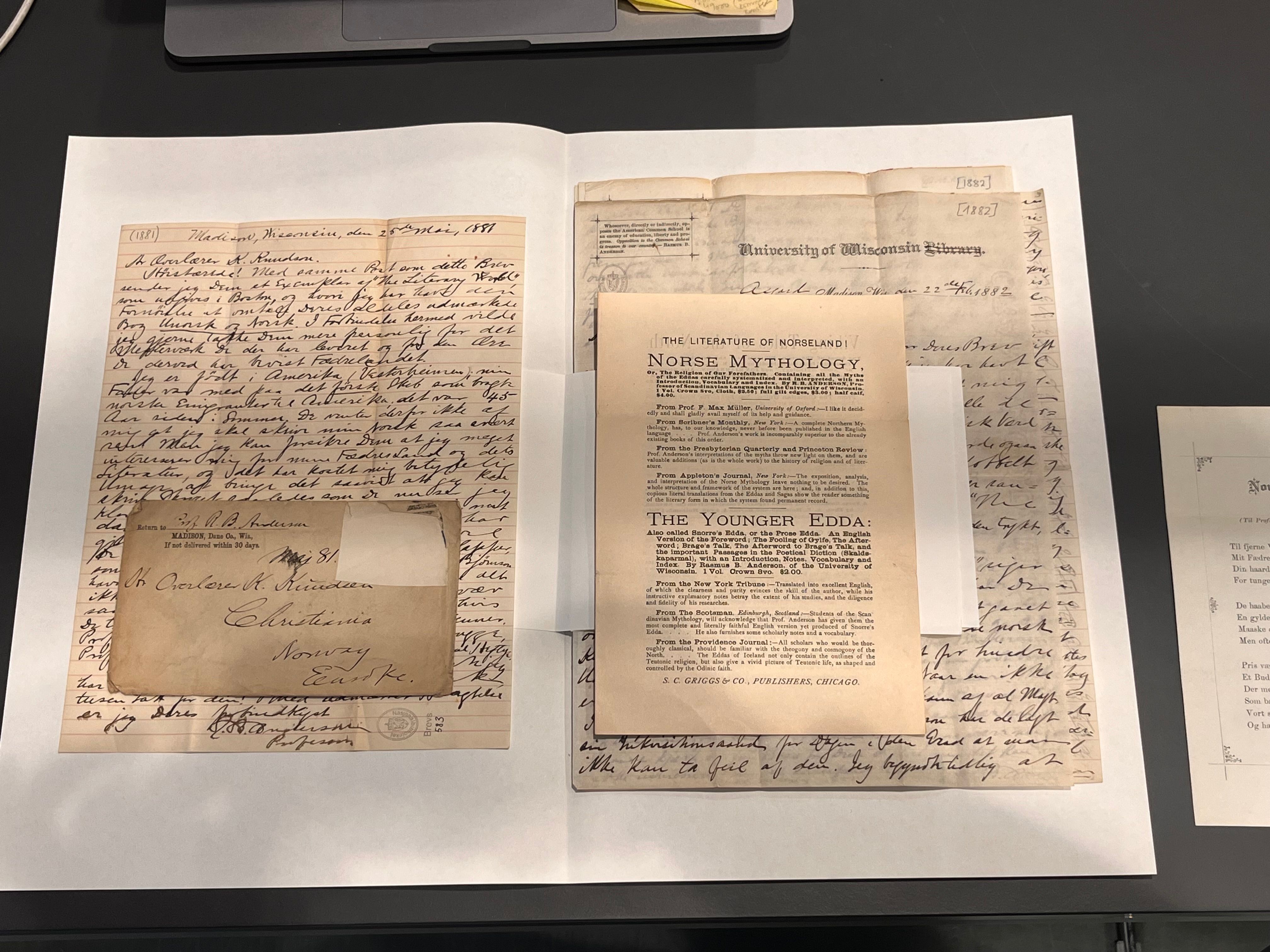
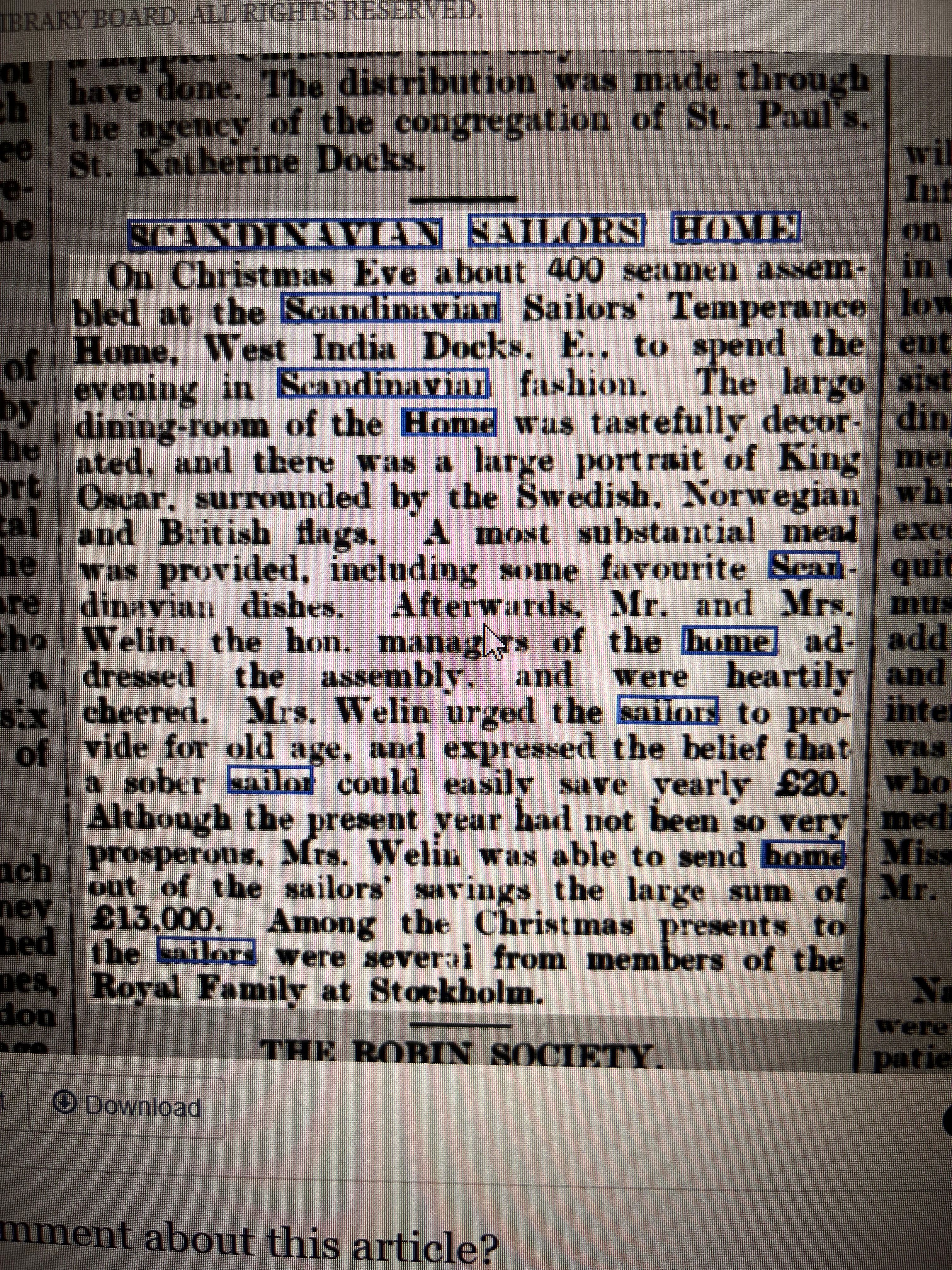
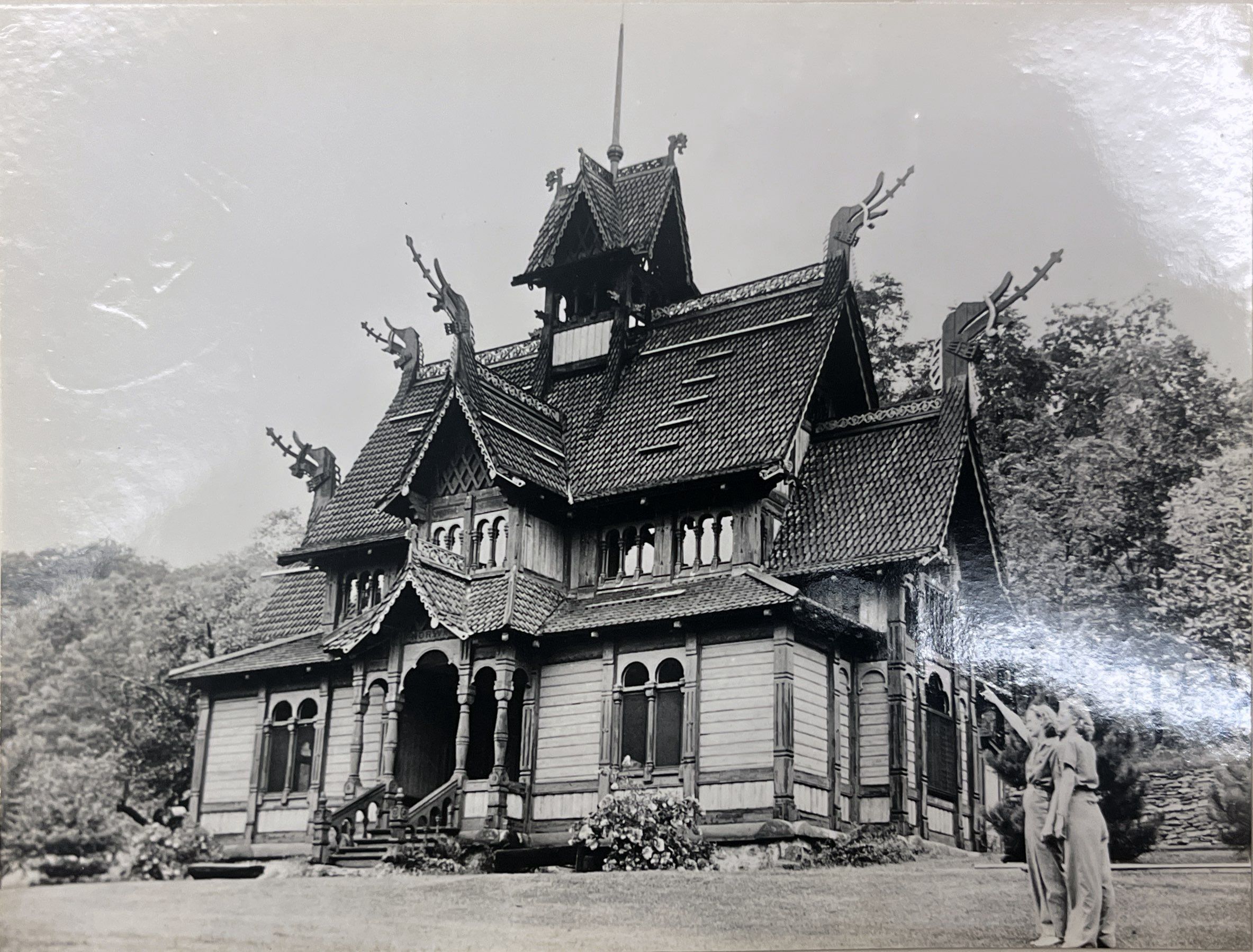
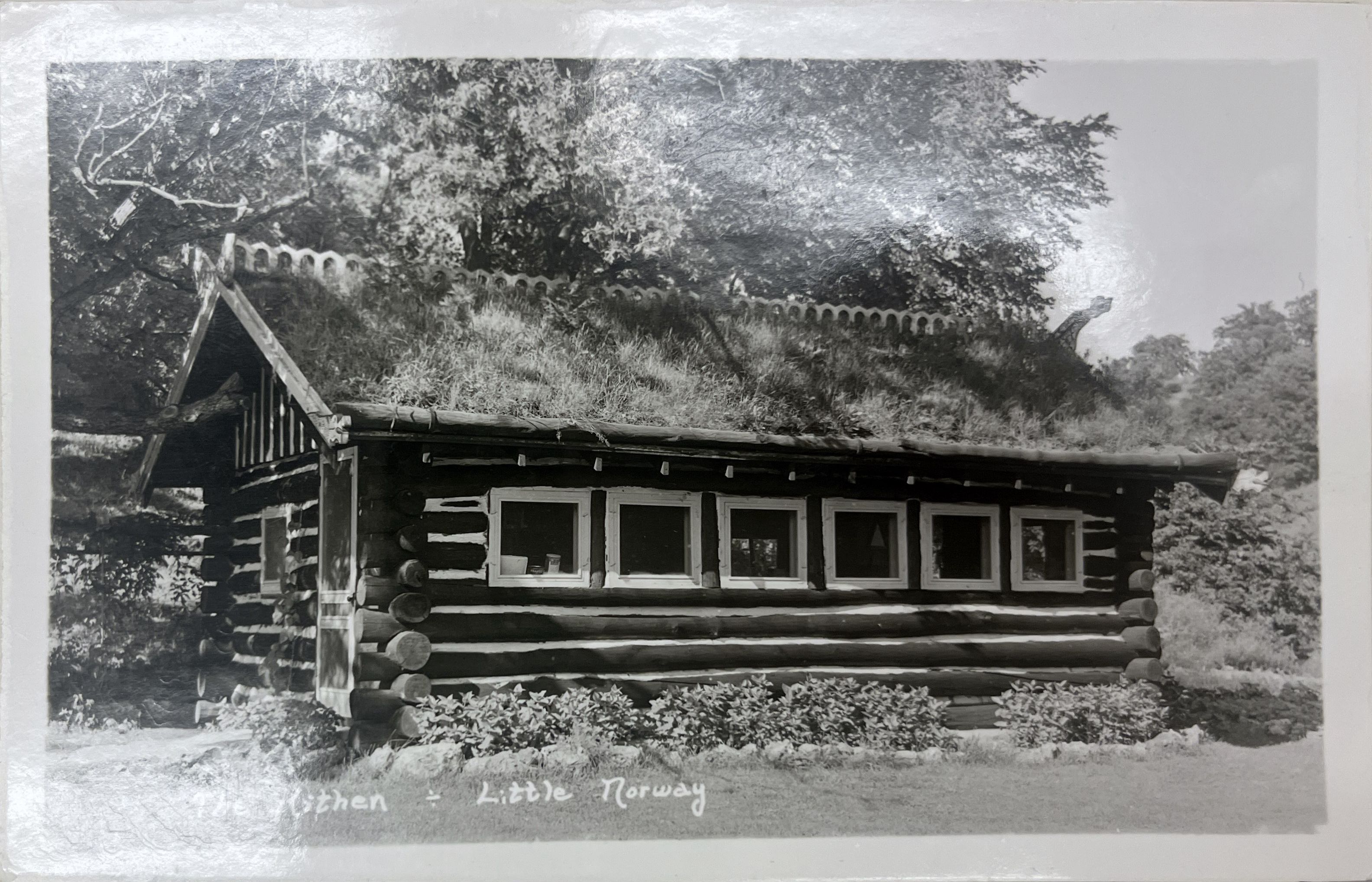
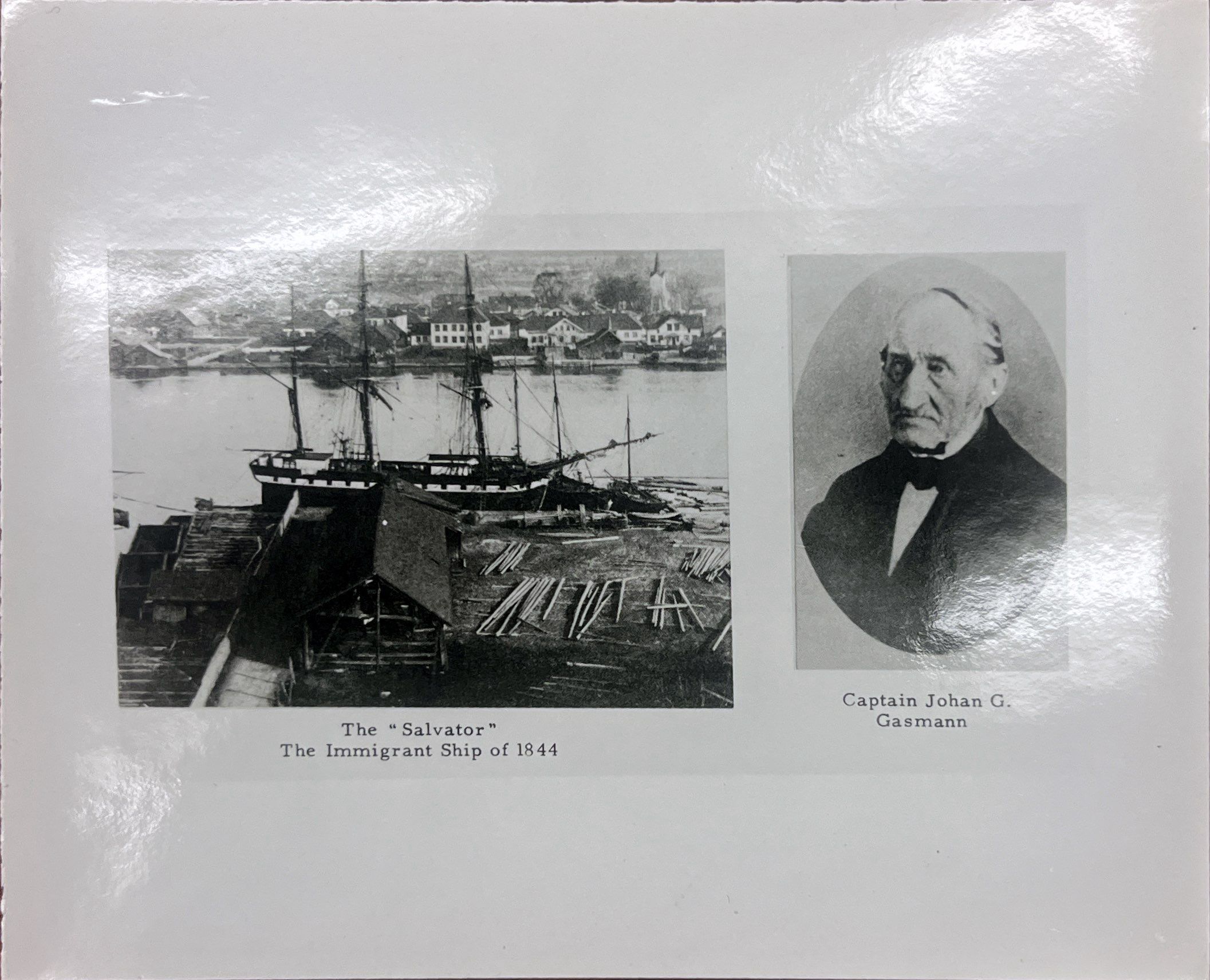
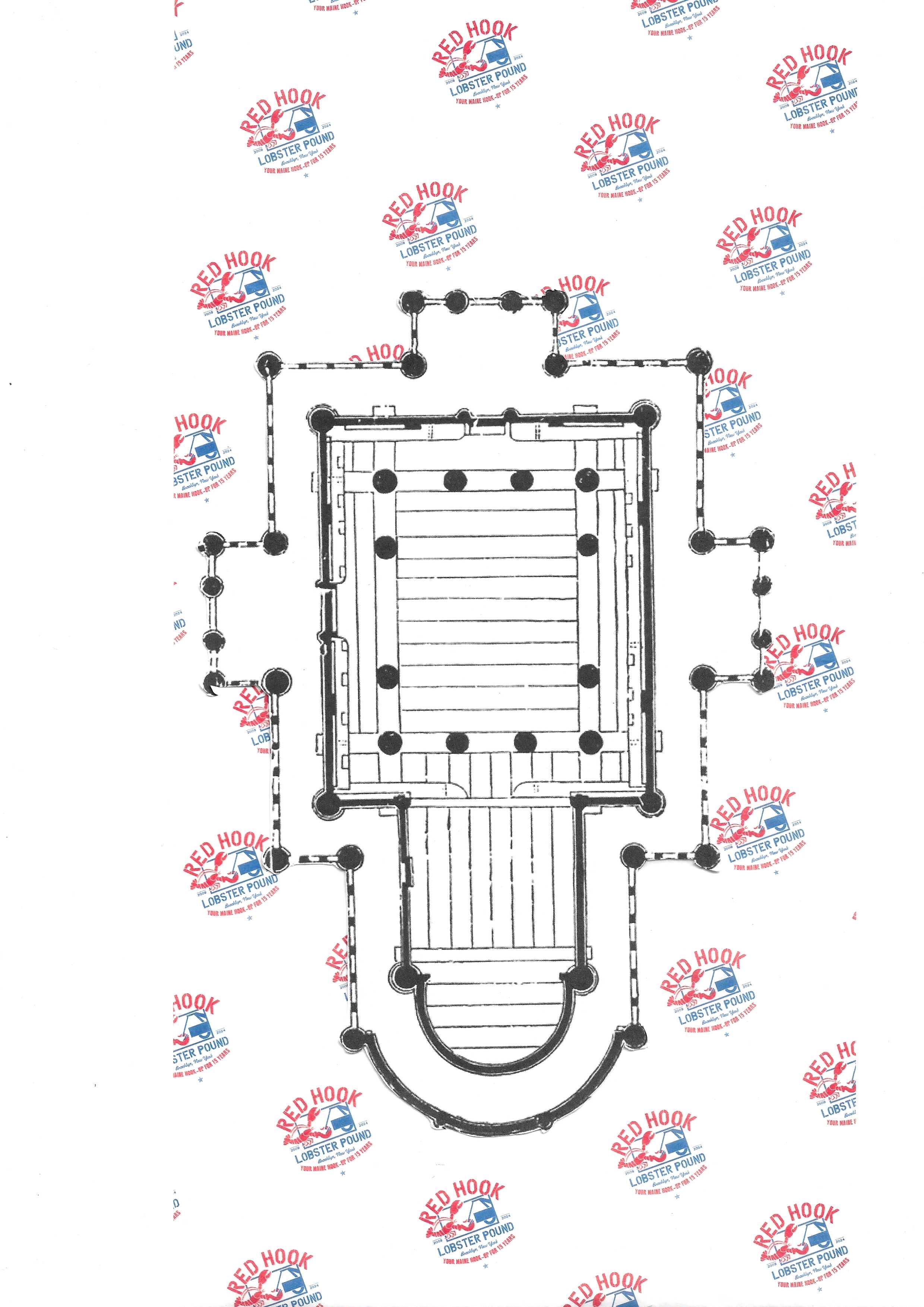
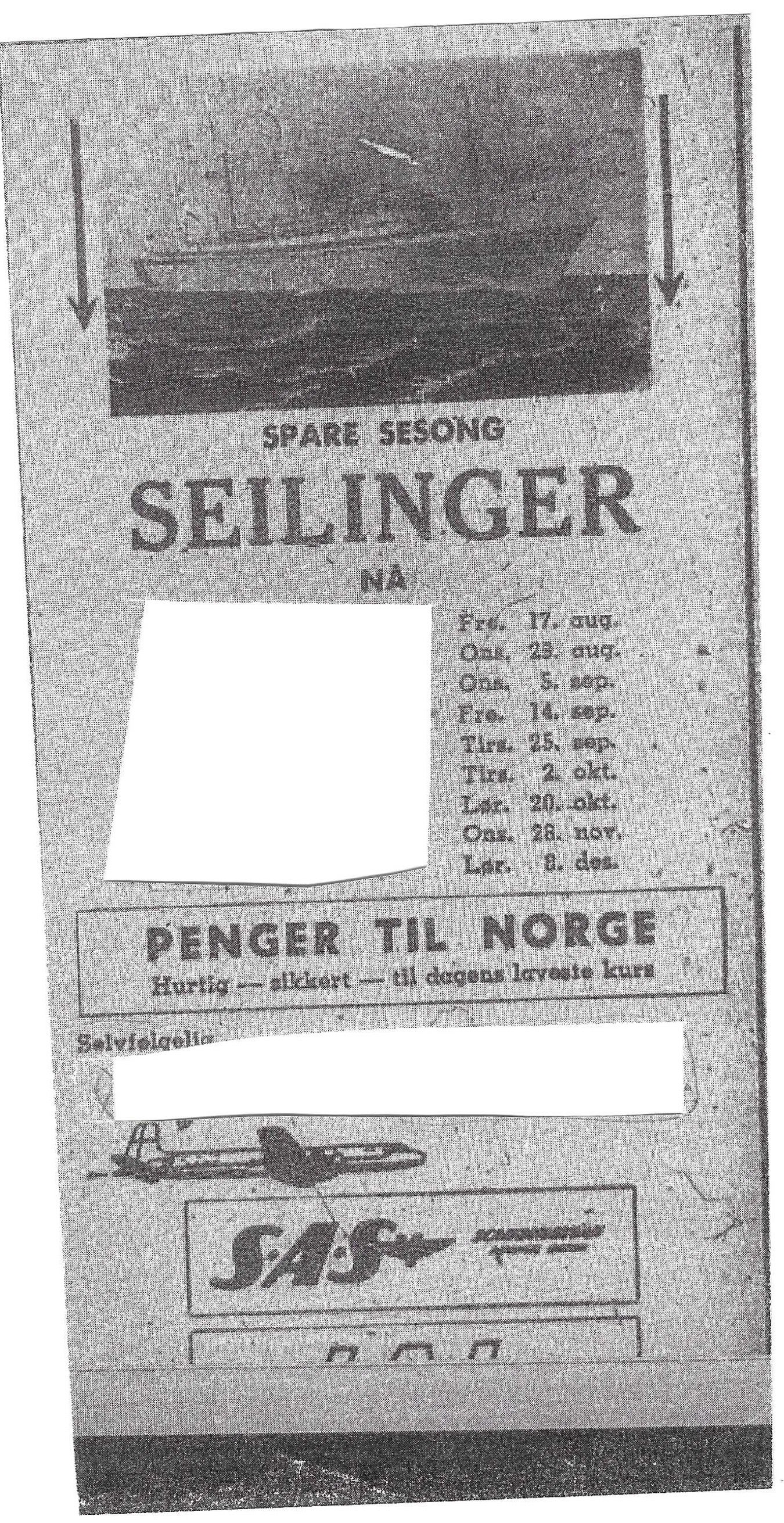
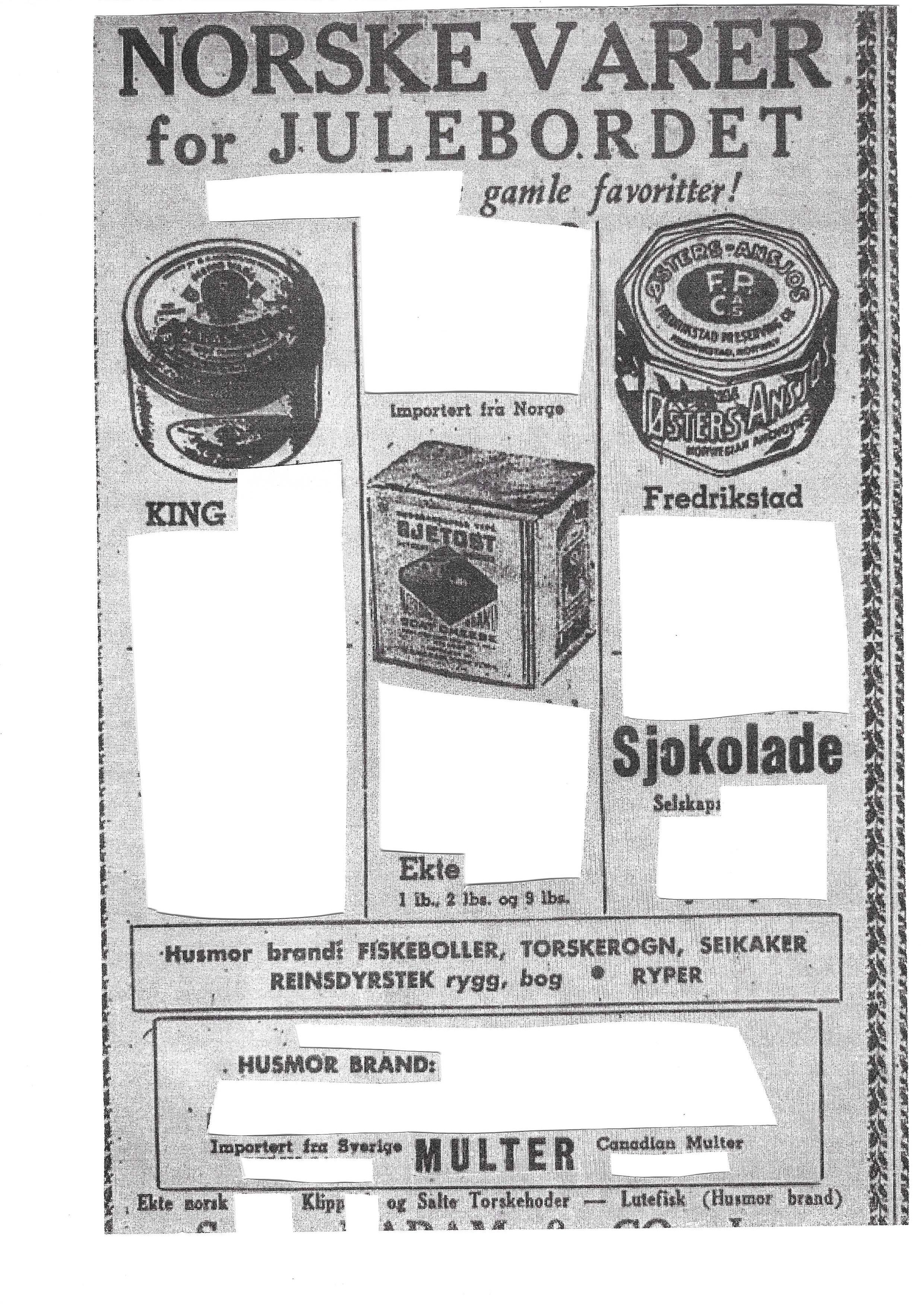
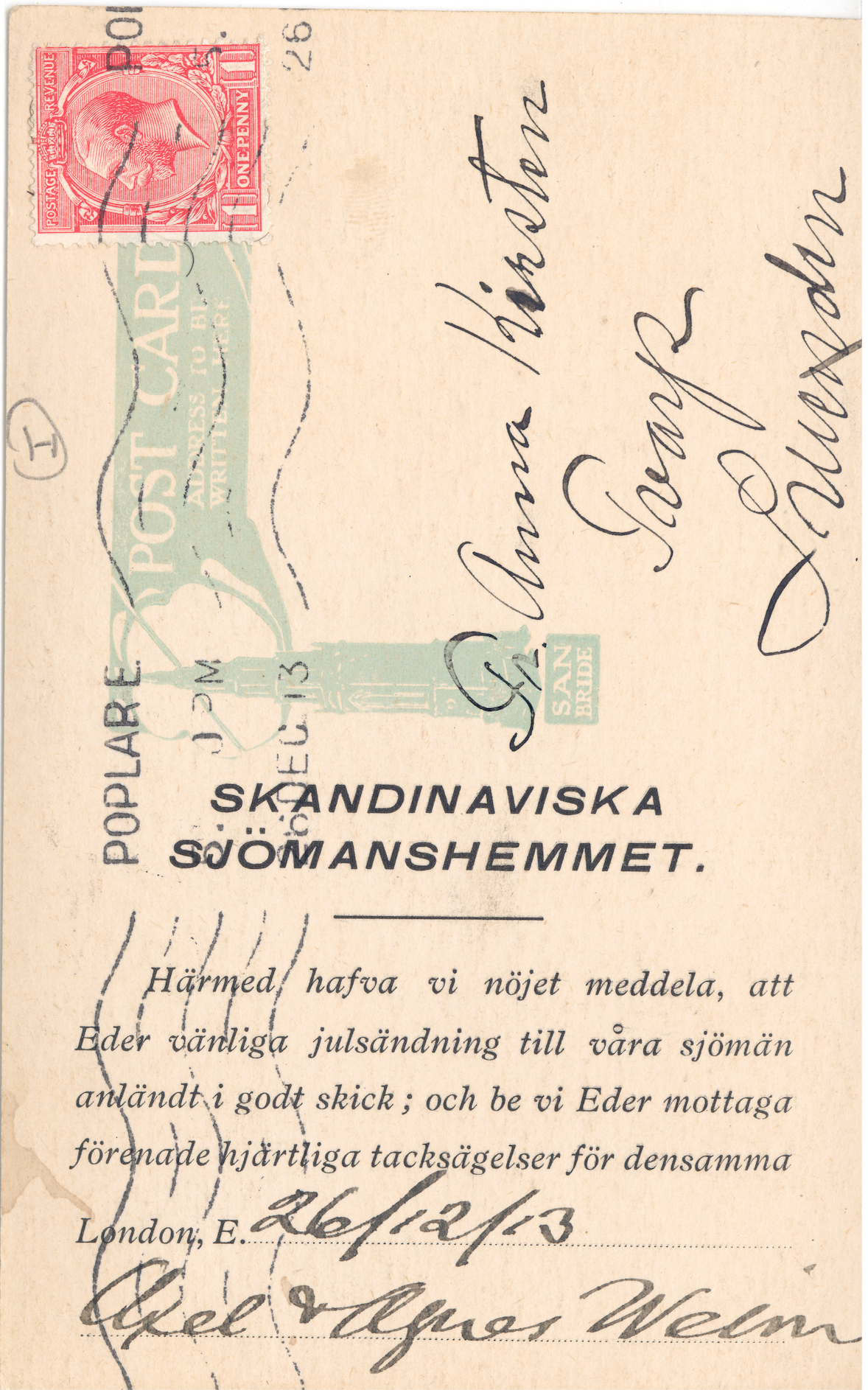
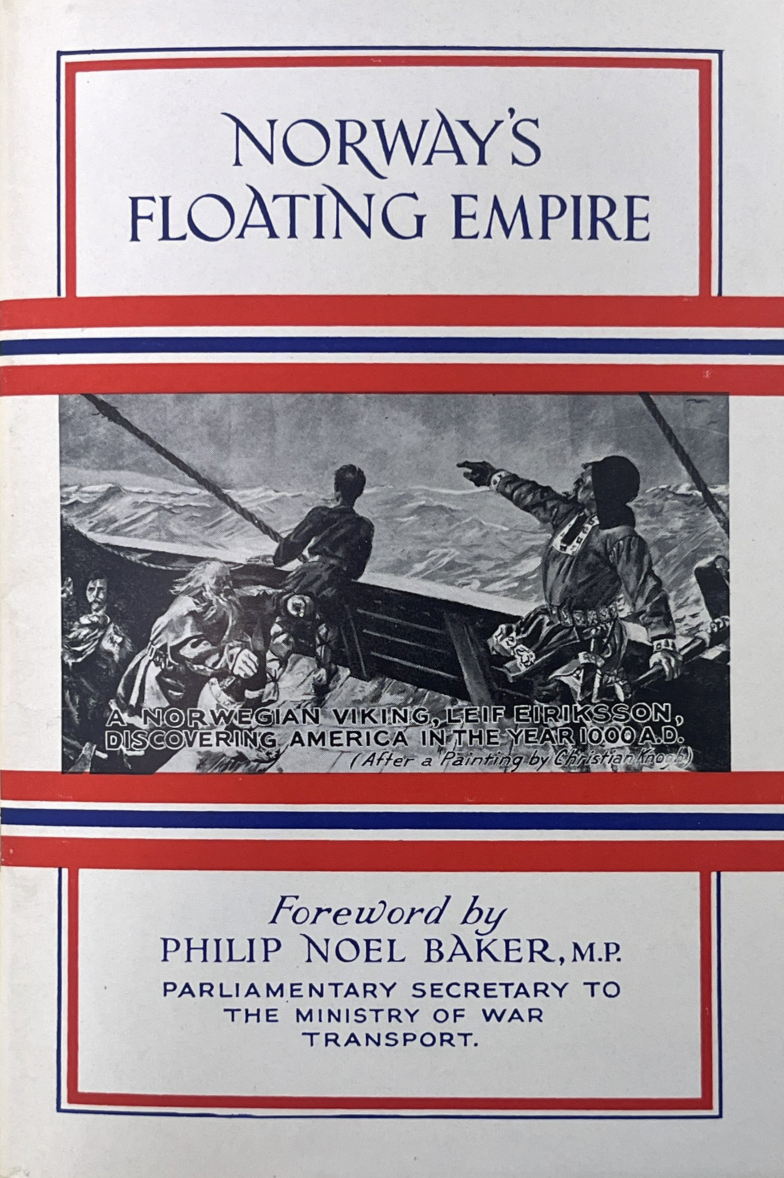
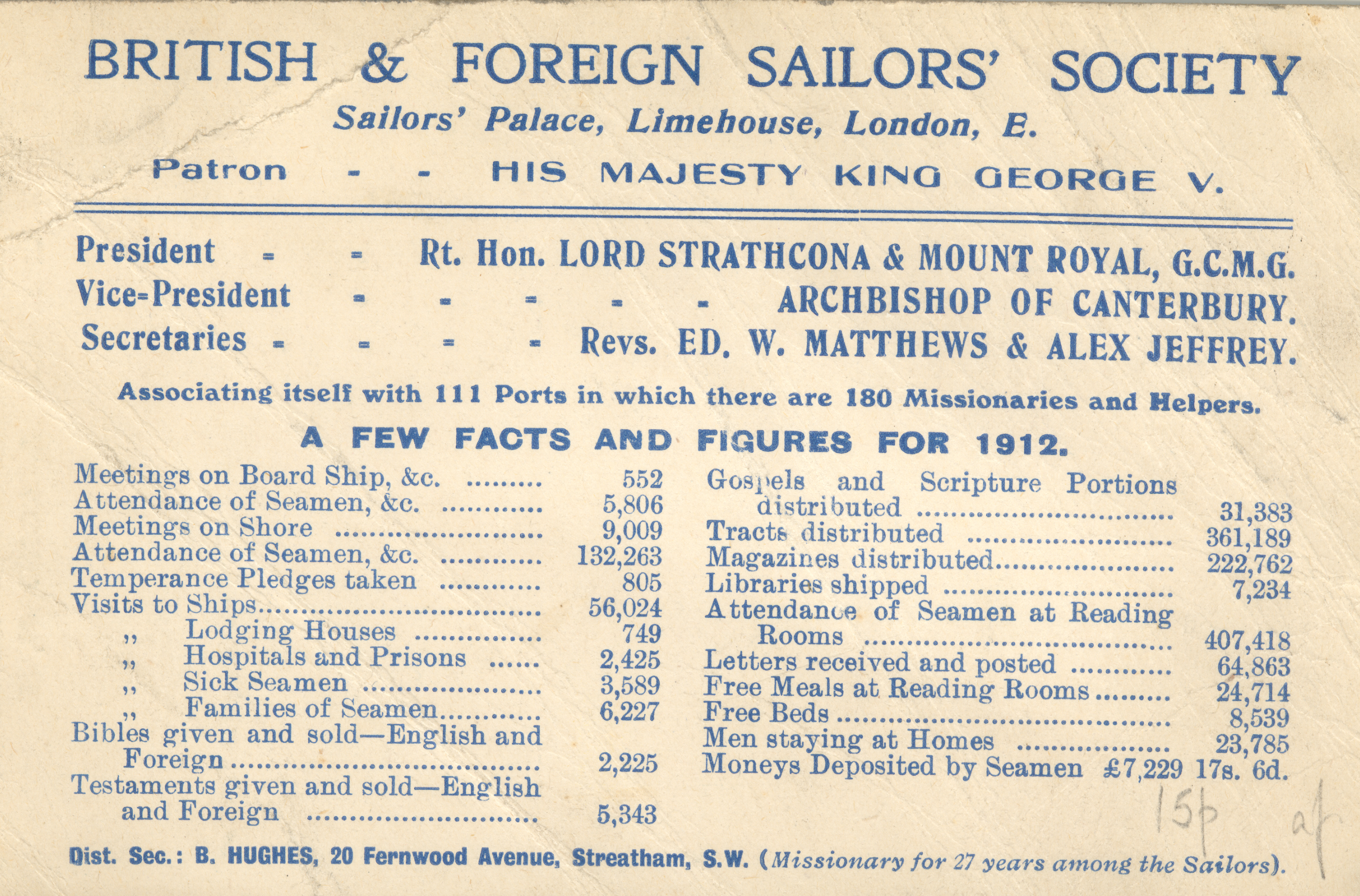
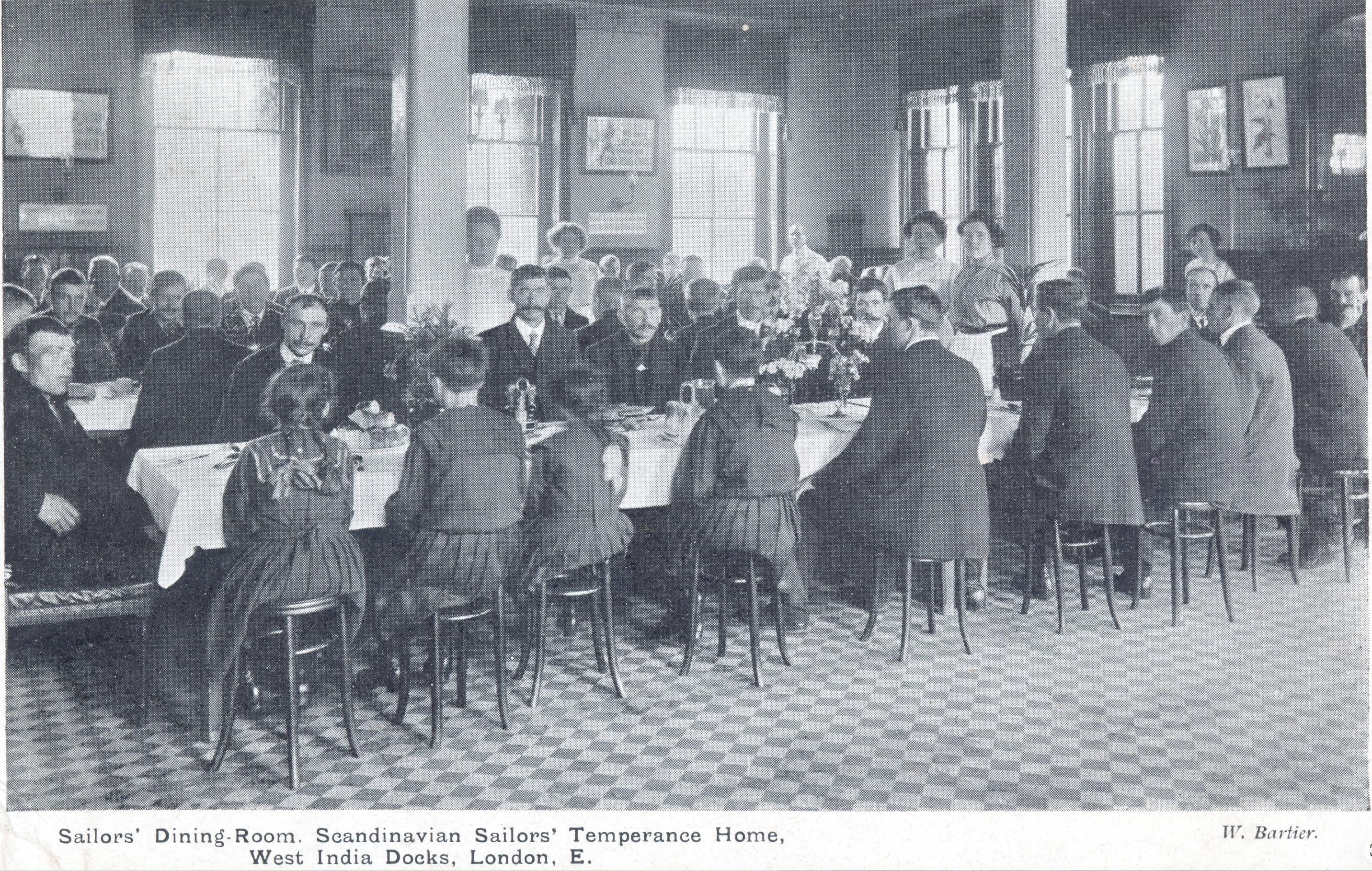
Setting out on a transatlantic research journey, I am taking a critical and intimate look at the archival traces of the Norwegian emigration to North America via the British Ports in the 19th and early 20th century. Like the Pakistani migrants who came to Norway 100 years later, Norwegian emigrants left to seek their fortunes and a better life. They built churches, opened shops and restaurants, and gathered in their own enclaves, like Lapskaus Boulevard in Brooklyn, New York, creating subcultures that outlived the first generation of movers by decades, even centuries. All this to maintain their connection with the motherland, their native culture and language.

1 / 4

Here landguage is explored through poetry and songs; in particular shanties and Norwegian classical music. For example, Edvard Grieg’s "Solveig's Song" in Henrik Ibsen's play Peer GyntOp. 23, Act IV / Suite No. 2, Op. 55, blurs the distinction between reality, the world of dreams and the subconscious. It represents unwavering devotion, steadfast hope, and spiritual redemption amid lifelong grief and waiting. Preserving a traditional Norwegian folk-song quality, Greig drew inspiration from native acoustic aesthetics and vocal traditions.

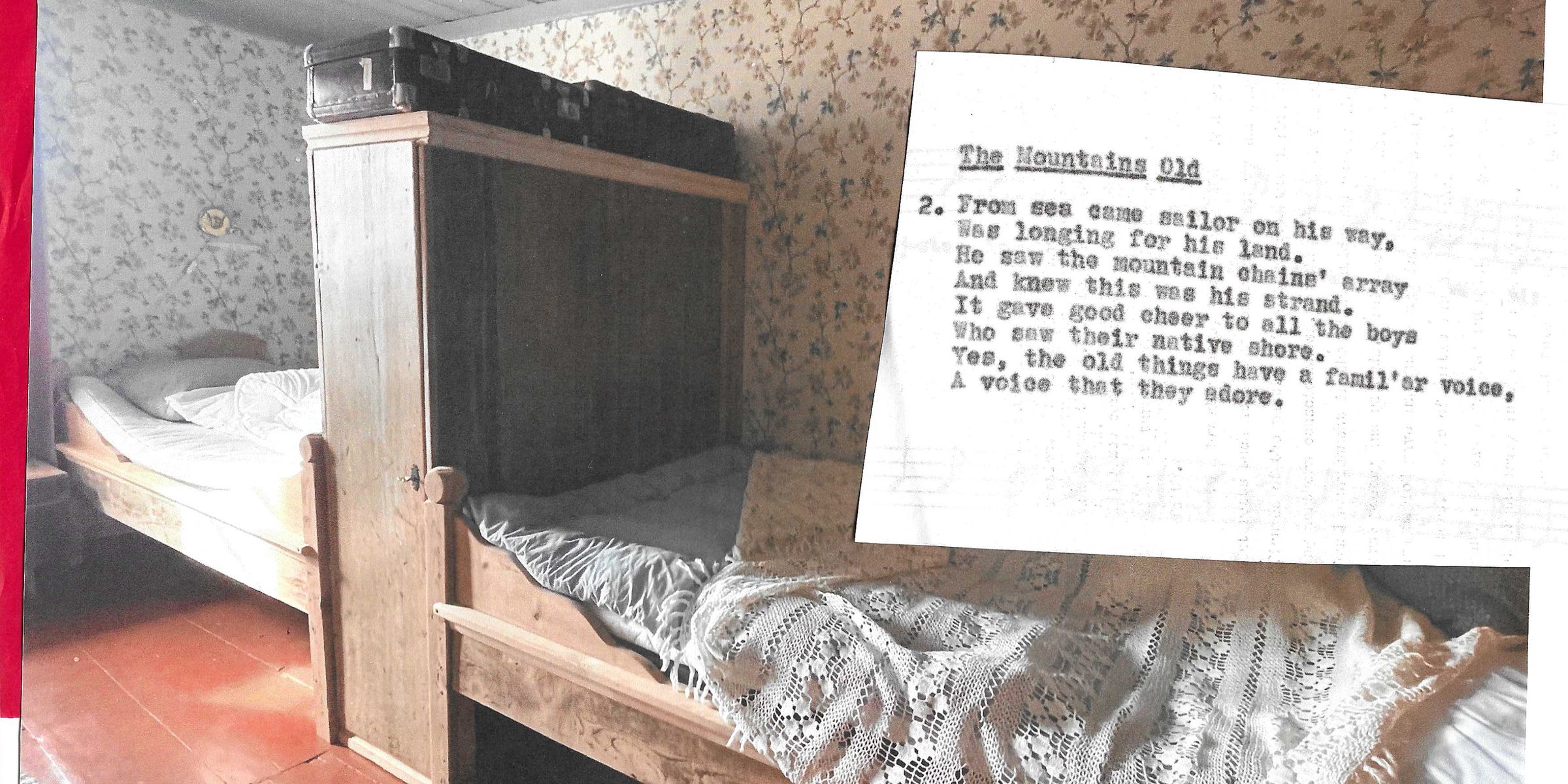
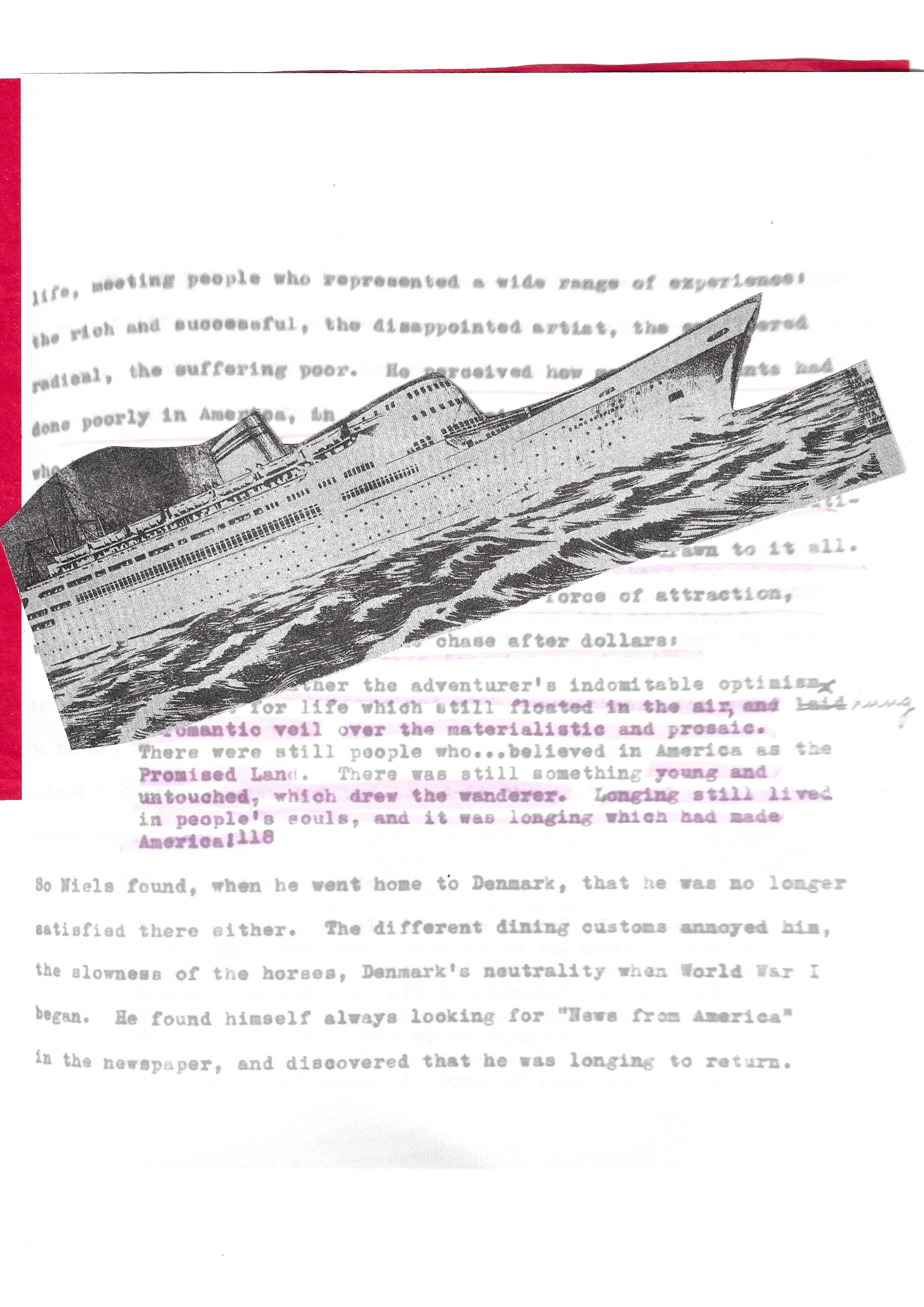
In maritime lore and ethnomusicology, sea shanties and maritime work songs function as literal and psychological thresholds, embodying the concept of liminality – the state of being "in-between" boundaries. The ship itself is a liminal space: it belongs to no single nation while at sea, suspended between the stability of the shore and the chaos of the deep ocean. Against this backdrop, I approach the seaport as a place of transit, a liminal space between identities, between stories, between the past life and the life waiting to be born. The boat, as Michel Foucault writes, is "a floating piece of space, a place without a place, that exists by itself, that is closed in on itself and at the same time is given over to the infinity of the sea.”FOUCAULT, MICHEL. “Of Other Spaces: Utopias and Heterotopias.” Of Other Spaces: Utopias and Heterotopias. Accessed October 20, 2026. https://web.mit.edu/allanmc/www/foucault1.pdf.

1 / 5

Waterloo dock, Hull port, Québec port, Le Havre, port of London, port of New Orleans 


Songs carry this liminality as music has always been associated with the romantic concept of the land, homeland, hometown, home county. Whether it is folk songs examining myths and mythologies, shanties reflecting labour and community or prayers for the safety of one’s journey, music enables us to recall our memories through singing. With a current focus on thresholds and liminal spaces, and having worked towards this sound collage, I have particularly been interested in the role shanties and maritime work songs play in constructing transnational and maritime identity.

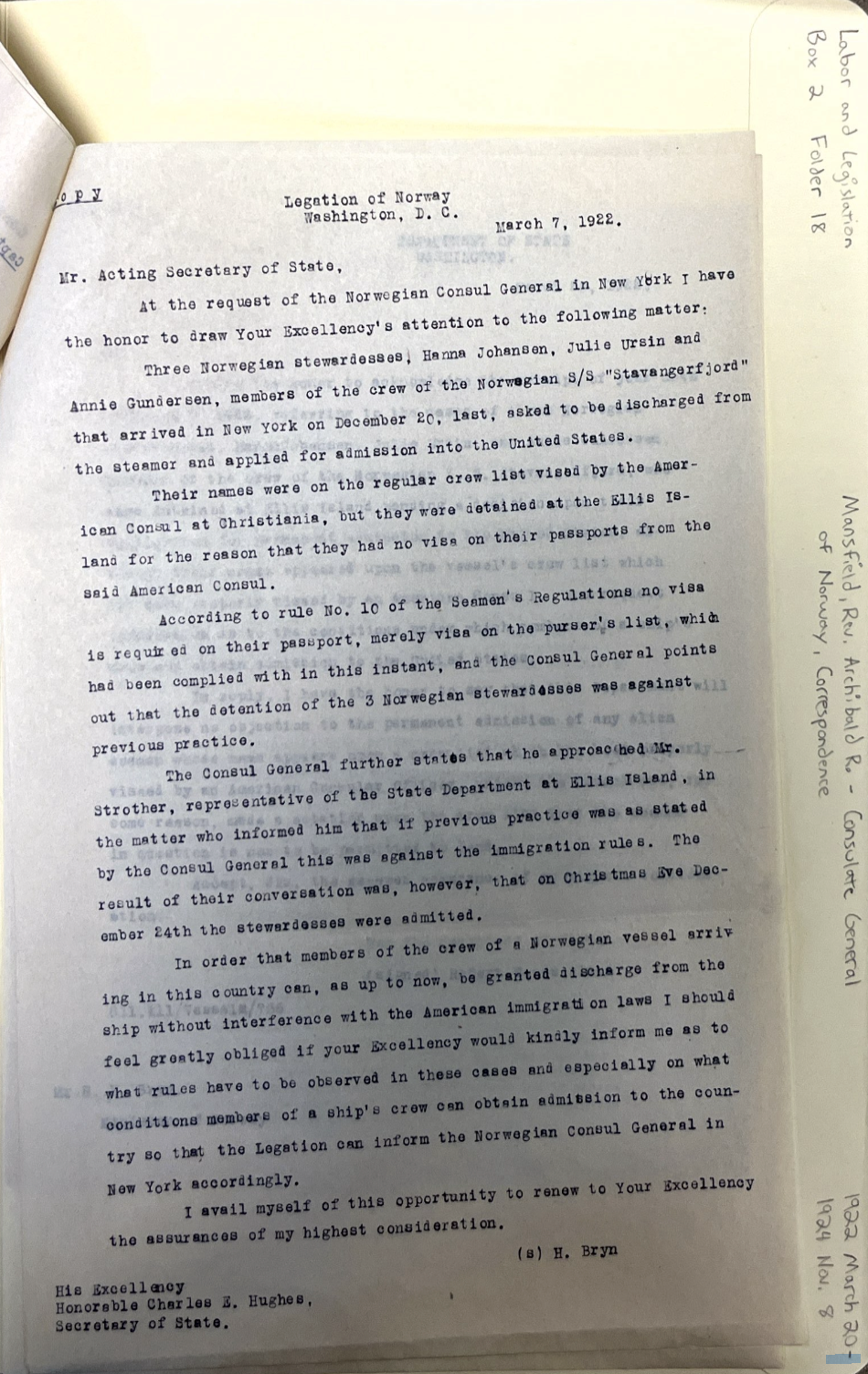
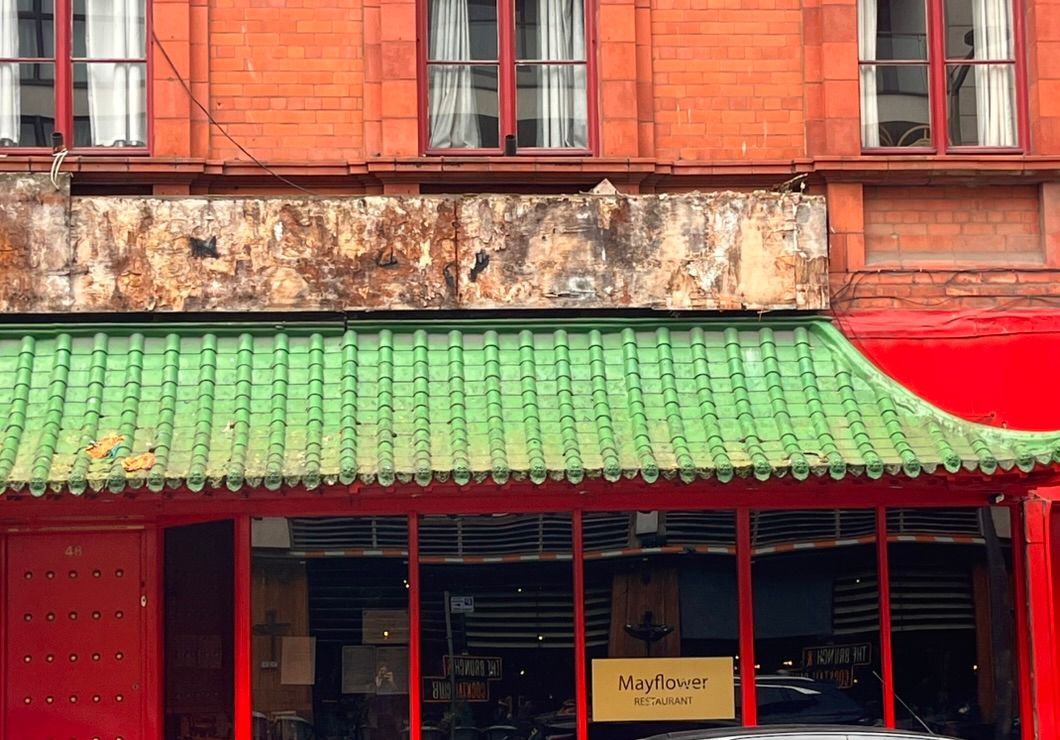
Researching the history of Norwegian seamen in visual, sonic and material culture reveals a fascinating intersection of migration, labour and maritime pastoral care.

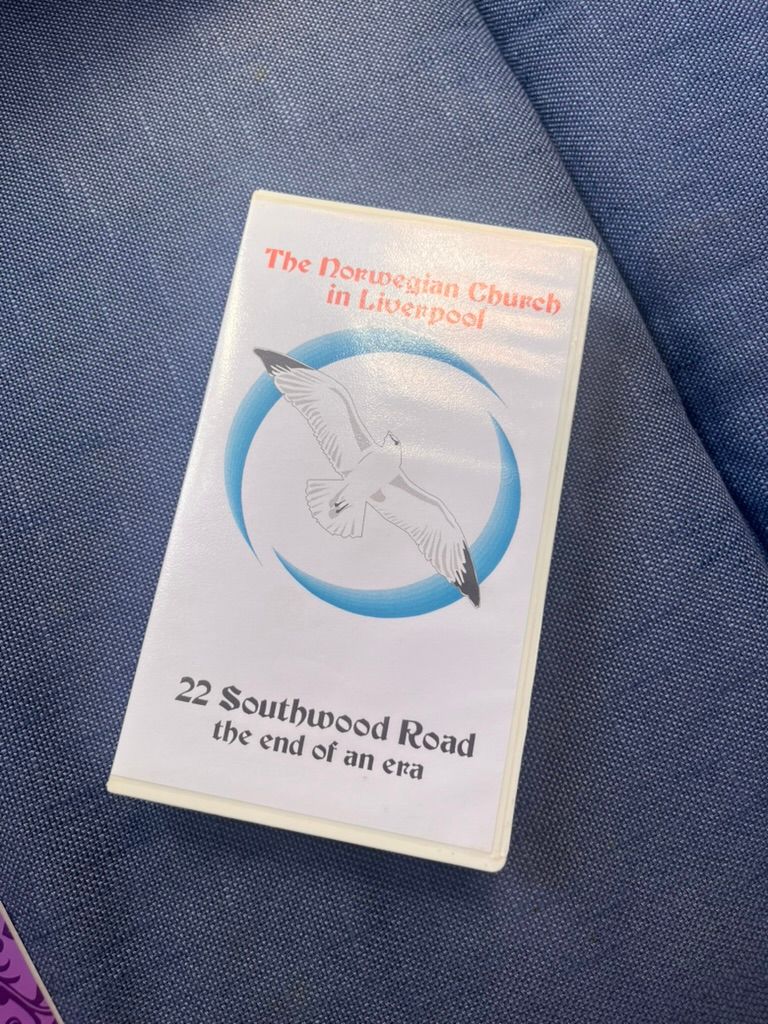
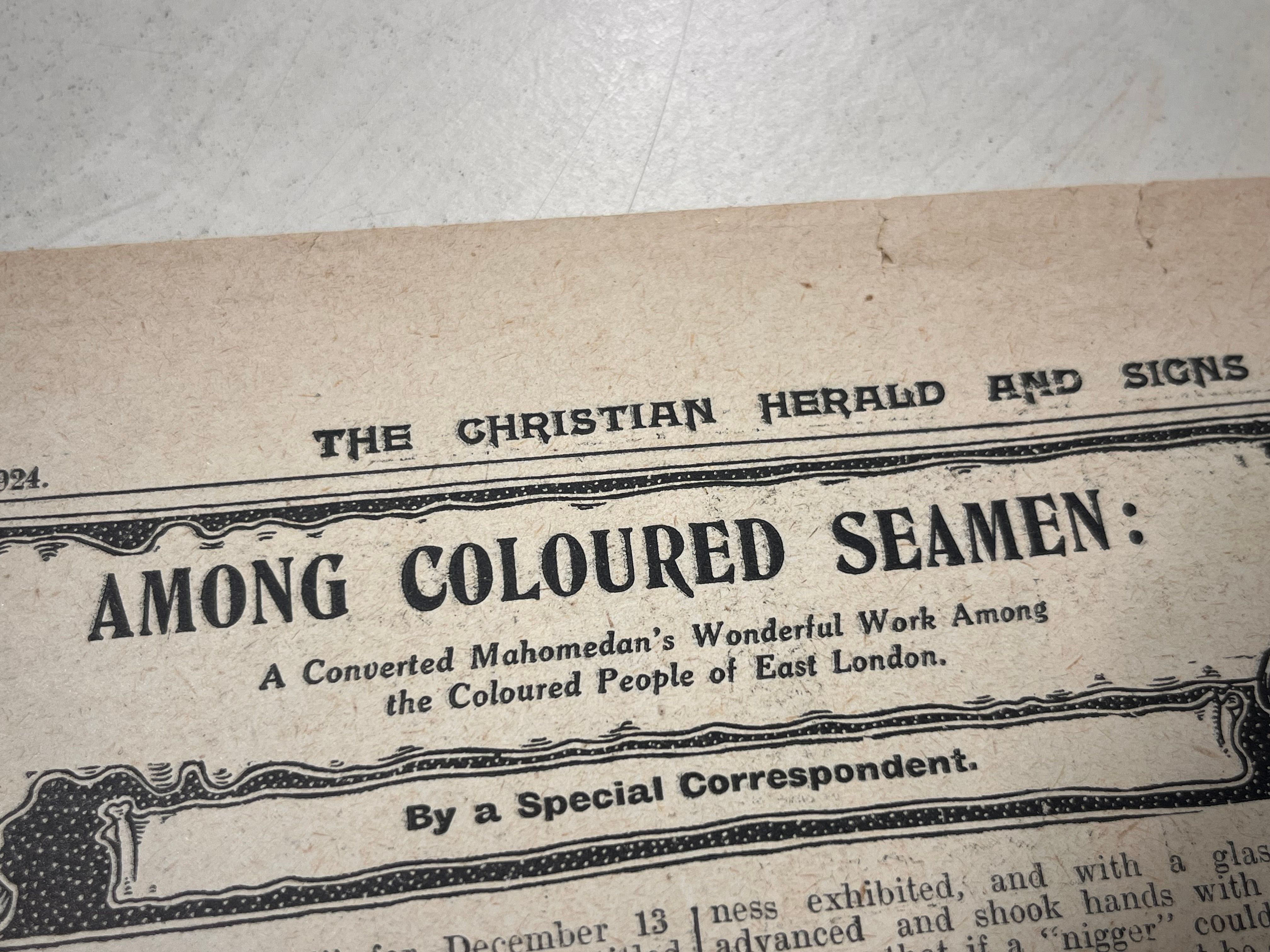
The findings have traversed from one port to another, from Chinese seamen to Lascars to African Caribbean maritime workers, reshaping my understanding of maritime identity. This project includes archival research and oral interviews, and has been conducted at the National Library of Oslo, Centre for Brooklyn History, Seamen Institutes Archives at Queens College, Tower Hamlet Local History Library and Archives in London, the New York Public Library, the Maritime Archives in Liverpool and the Lomax Digital Archives.

Whilst engaged in this research, I came across many shanties from European, Southern US and African-Caribbean maritime workers and sailors. However, I struggled to find documentation of shanties sung by Lascars, a term used to describe any sailor from the South Asian subcontinent, although the term eventually became a descriptor for almost all non-European sailors. The British shipping companies recruited men of many backgrounds, including Arab, Cypriot, Chinese and East African where the vast majority though were recruited from the Indian subcontinent, mainly from maritime areas of Gujarat and Malabar on the west coast of India and the east coast from the area now known as Bangladesh.

Surprisingly, I did come across sea shanties performed by pupils aged 7-11 from Gallions Primary School in Newham, UK. These adaptations of older shanties have been tweaked and rewritten in workshops led by Poet and folk singer Laila Sumpton from Poetry vs Colonialism and Bengali folk singer and musician Gouri Choudhury, towards exploring the hidden stories of the Lascar Sailors.

1 / 3

Sea shanties and maritime work songs act as powerful, historical and emotional anchors of human memory, bridging the gap between centuries of maritime labor and modern nostalgia.

Metaphorically, an anchor secures a ship to a specific point amidst a chaotic ocean; musically, these songs anchor the memories of shared struggle, isolated longing and historical events to steady, repetitive rhythms.


More info

The work is commissioned by CAS – Contemporary Art Stavanger as part of the CAS Residency in Art Writing, in collaboration with Mooar residency.


To be notified about future CAS residency opportunities, please subscribe to our newsletter.

About the author

Sarah Kazmi is an interdisciplinary artist from Karachi, Pakistan. Her artistic practice moves across research and visual production, observing the relationship between food, language, and politics; often based around/with communities and local environments. In addition to visual artworks Kazmi works with writing, as her texts are often conveyed through a variety of rhythmic disciplines including sound, video, installation, and performance.

Alongside her artistic practice, Kazmi has worked with policy advocacy for Verdensrommet (2021–), an artist-powered support network by and for non-EU/EEA creative professionals in Norway. She was a participating artist at the 2025 Skowhegan School of Painting and Sculpture (US). Her work has circulated both locally and internationally, more recently at Colomboscope (Srilanka), Bergen Assembly (Norway), Raven Row (UK) and Oslo Intercultural Museum (Norway). Sarah's work has been supported by institutions such as Office for Contemporary Art and KORO (Public Art Norway) and Arts and Culture Norway. She is currently a beneficiary of the two-year free studio programme at Atelier Kunstnerforbundet, Oslo.

All articles by Sarah Kazmi