Exploring the visual art scene of Norway's southwest coast ➜ Since 2015
Travelogue from Venice
Amidst the deluge of reviews of the opening of the 2026 Venice Biennale, CAS Editor Sofie Ringstad presents travel letter from the art world’s central hub, with reflections on the role of money, the potentially sinister underside of vague “art speak,” and an exclusive performance stripped (sic) of humor.
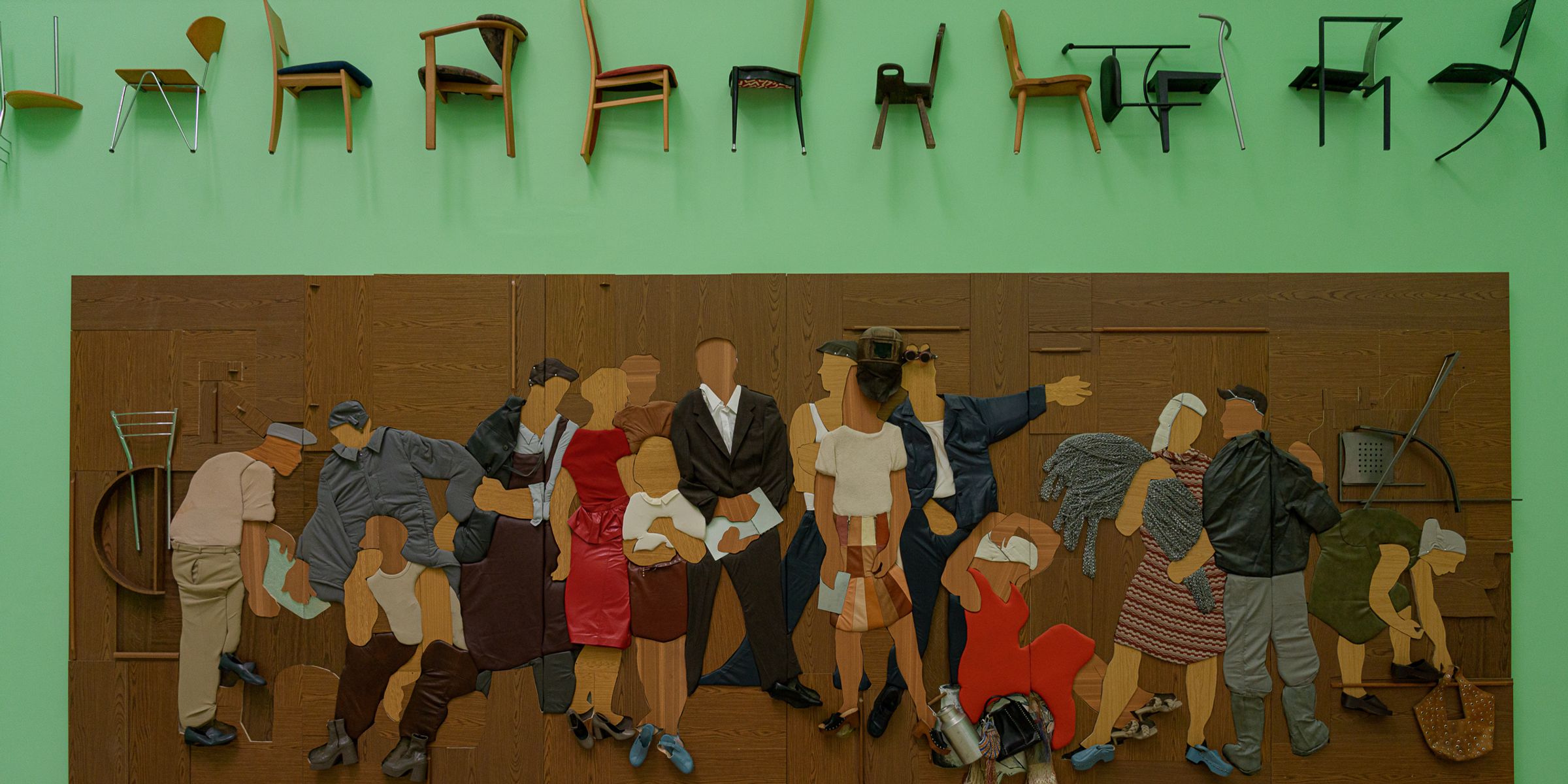
Henrike Naumann at the German pavilion. Photo: Andrea Avezzù
You asked what I am planning to write from Venice… Honestly, trying to write seriously about the Venice Biennale feels like a joke. Attempting to write about “everything” inevitably becomes fragmented and uneven because there is simply too much to write about. Or one turns to the parodic, a kind of meta-critique of the biennale itself. For instance, a nesting seagull in the middle of the Giardini has been given its own pavilion, or Instagram accounts ranking national pavilions based on the number of seats they offer. At that point, one has in a way capitulated and admitted that it is no longer (just) about the art, but also about the spectacle.
The zodiac signs have bothered me since. What does a zodiac sign really tell us about an artist?
The main exhibition, curated by Koyo Kouoh, the influential Cameroonian-Swiss curator who passed away last year, carried some of the same tendencies for me. The wall labels listed the artists’ names, years of birth, countries of origin, current base, and zodiac signs. The zodiac signs have bothered me since. What does a zodiac sign really tell us about an artist? It adds an additional layer of interpretation to the work, a directive to view the art through a lens one may not even feel comfortable with. I’ve wondered whether the artists themselves are actually okay with it. I also find it curious to impose such a “system” as a contextual frame around artistic practices that clearly emerge from vastly different epistemological backgrounds.
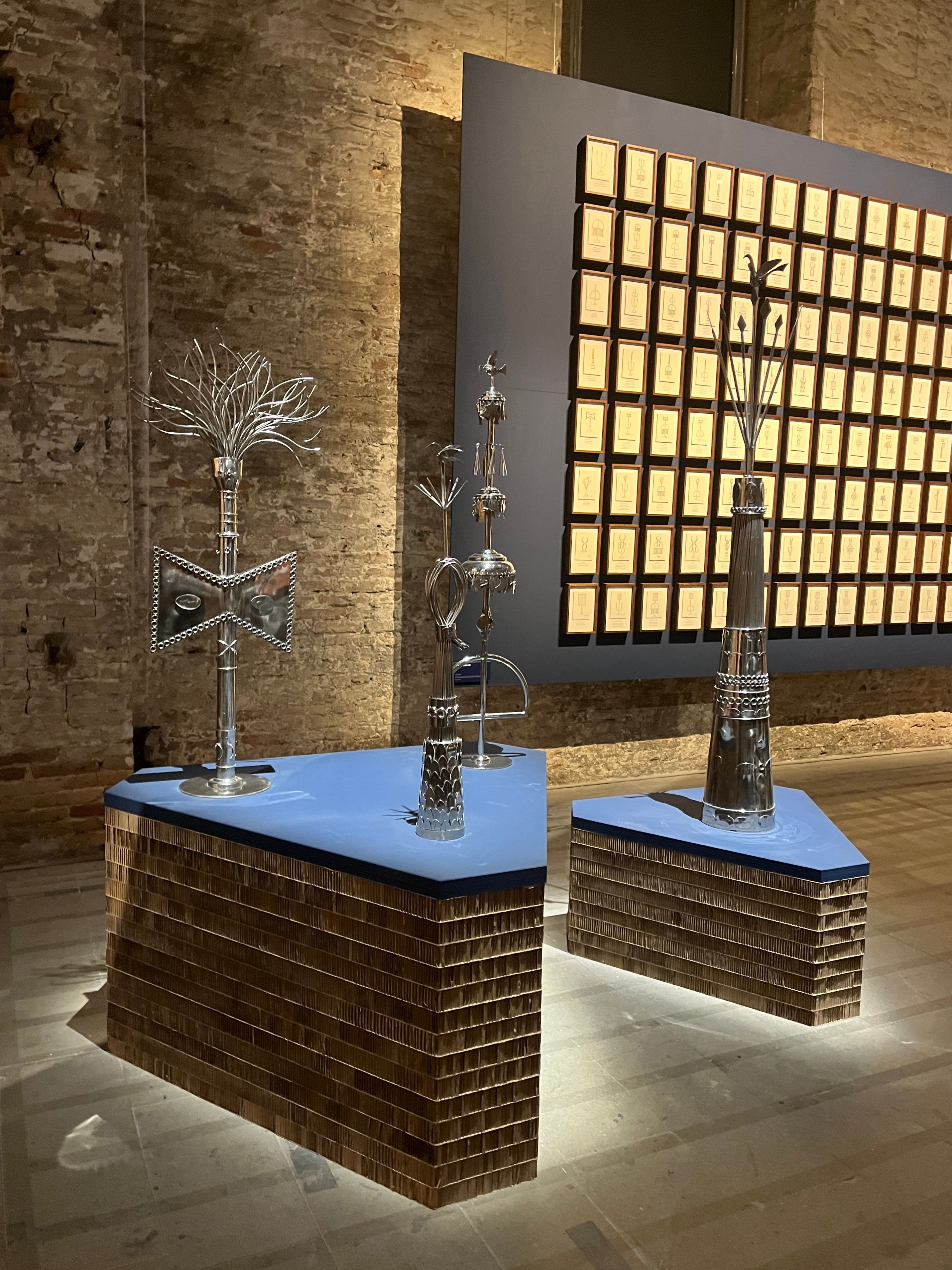
The exhibition design by the Cape Town-based Wolff Architects, however, was fantastic. Cardboard was used throughout, an ephemeral material most people have readily at hand. The way works rested or hung upon cardboard thrones carried a poetic quality, a kind of antidote to Trumpian opulence..
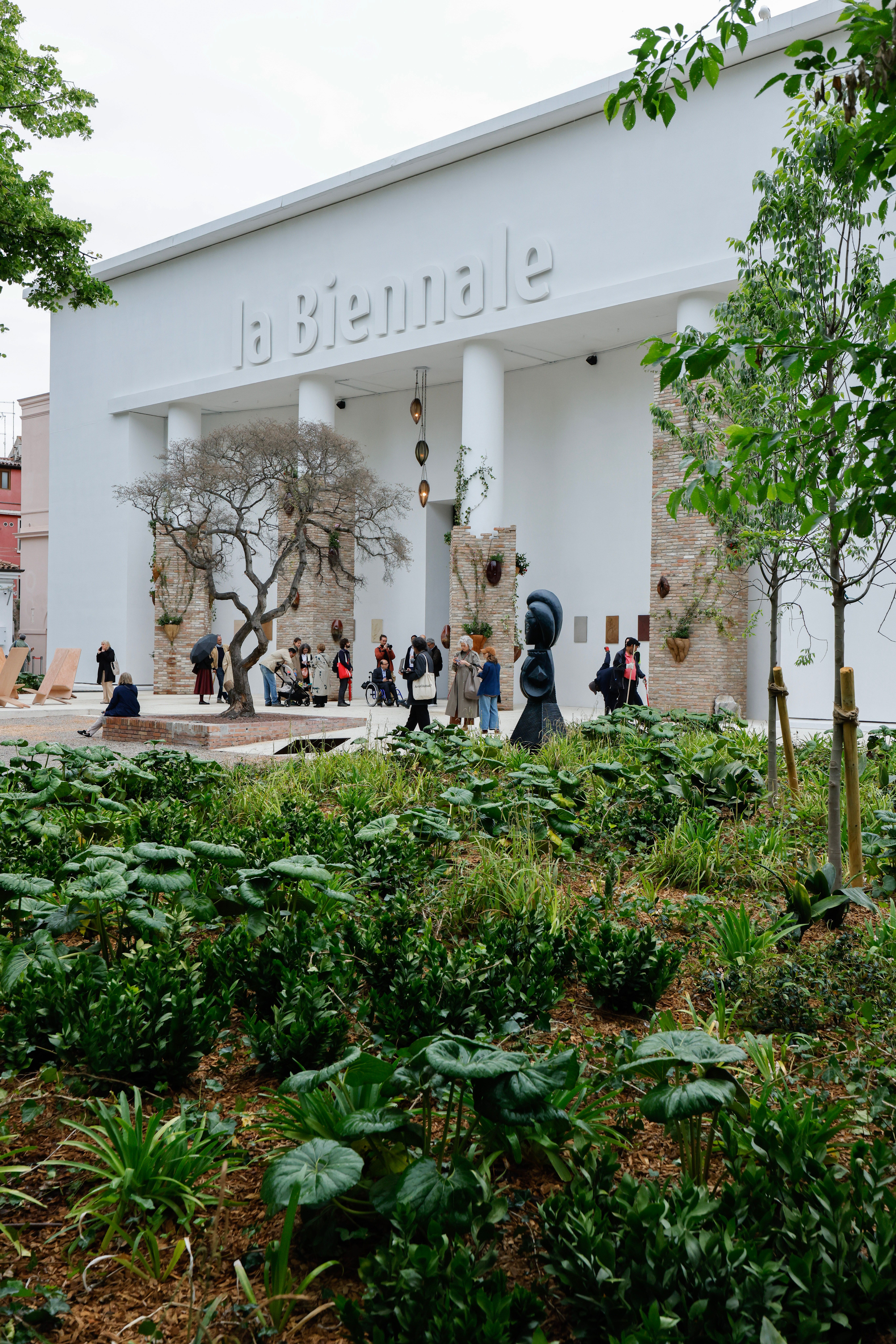
The entance to 'In Minor Keys', Giardini. Photo: Jacobo Salivi
An example of the cardboard exhibition design. Photo: Sofie B. Ringstad
The audience? The opening felt more crowded than last time, as if anyone and everyone had managed to get a ticket to what is supposed to be an exclusive opening. I actually read that the opening day had 10% more visitors this year than the previous edition. That doesn't have to be problematic, perhaps one could actually argue that it is democratizing, but it feels like a kind of shift, a generalization of sorts.
It is important to play along, but even more important not to believe in it.
You mentioned that you noticed many people in the art world posting Instagram photos with #notvenice, as though one needs a legitimate excuse not to be there. I agree! It probably says something about how accessible – and therefore diluted – it has become. Many comparisons are drawn to Venice: it is the art world’s Olympics, the art world’s UN, perhaps even art’s Mecca … Personally, my thoughts drift toward some kind of colorful climate summit. Politely curious diplomats stop by their national pavilions, Arab princesses with entourages glide through the crowds, clusters of Dutch curators in their most stylish glasses discuss things in endless coffee queues, wealthy art collectors beneath giant umbrellas are shepherded along by nervous art dealers, while flocks of artists parade around in the latest West African headwear. But it is obvious that money is what speaks, what keeps the machinery running. During a dinner I attended with an Italian friend, a group of Swiss art collectors marched in. She reminded me of a basic rule for those of us who move within these circles without truly belonging to them: it is important to play along, but even more important not to believe in it.
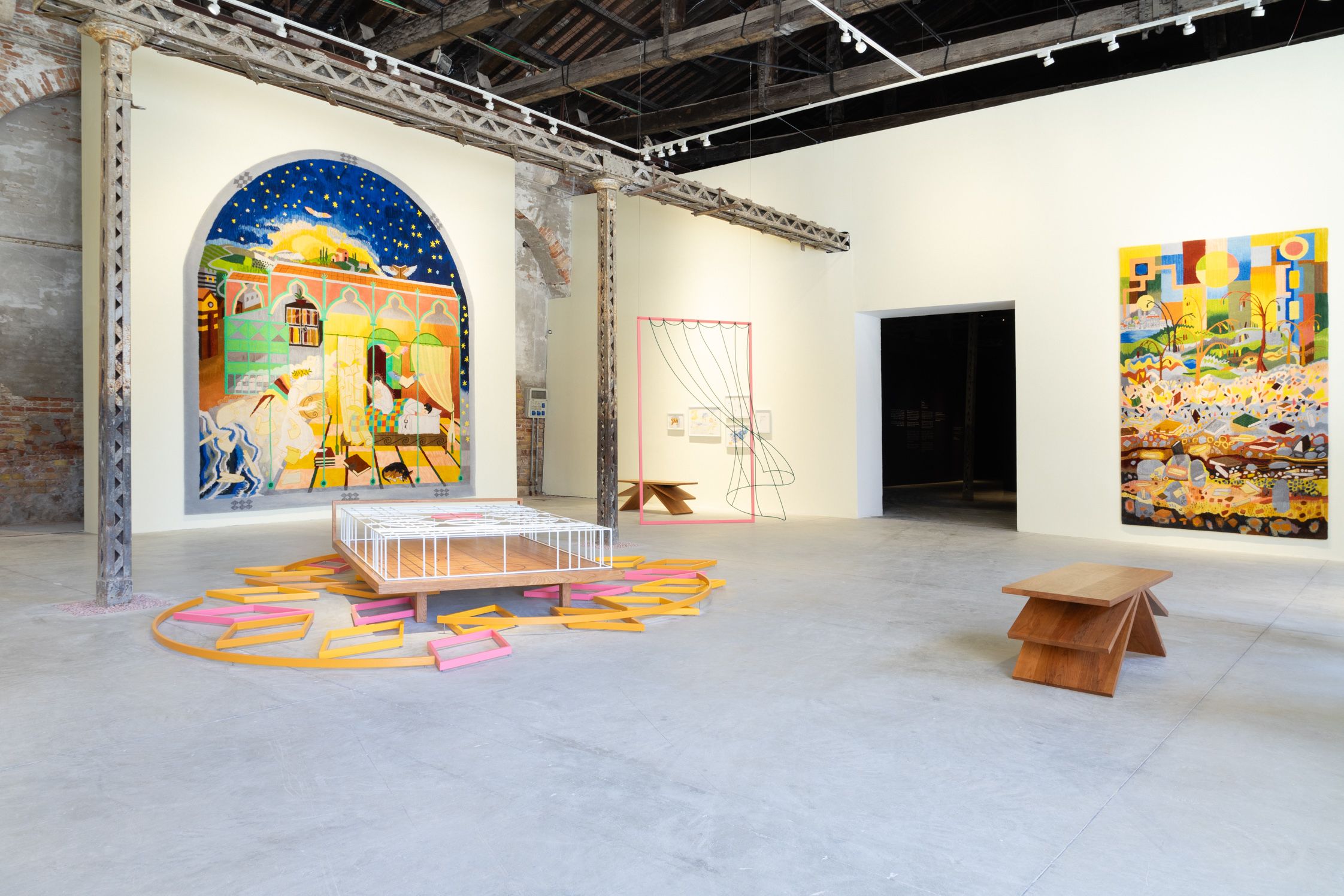
The Irish pavilion. Photo: Luca Zambelli Bais
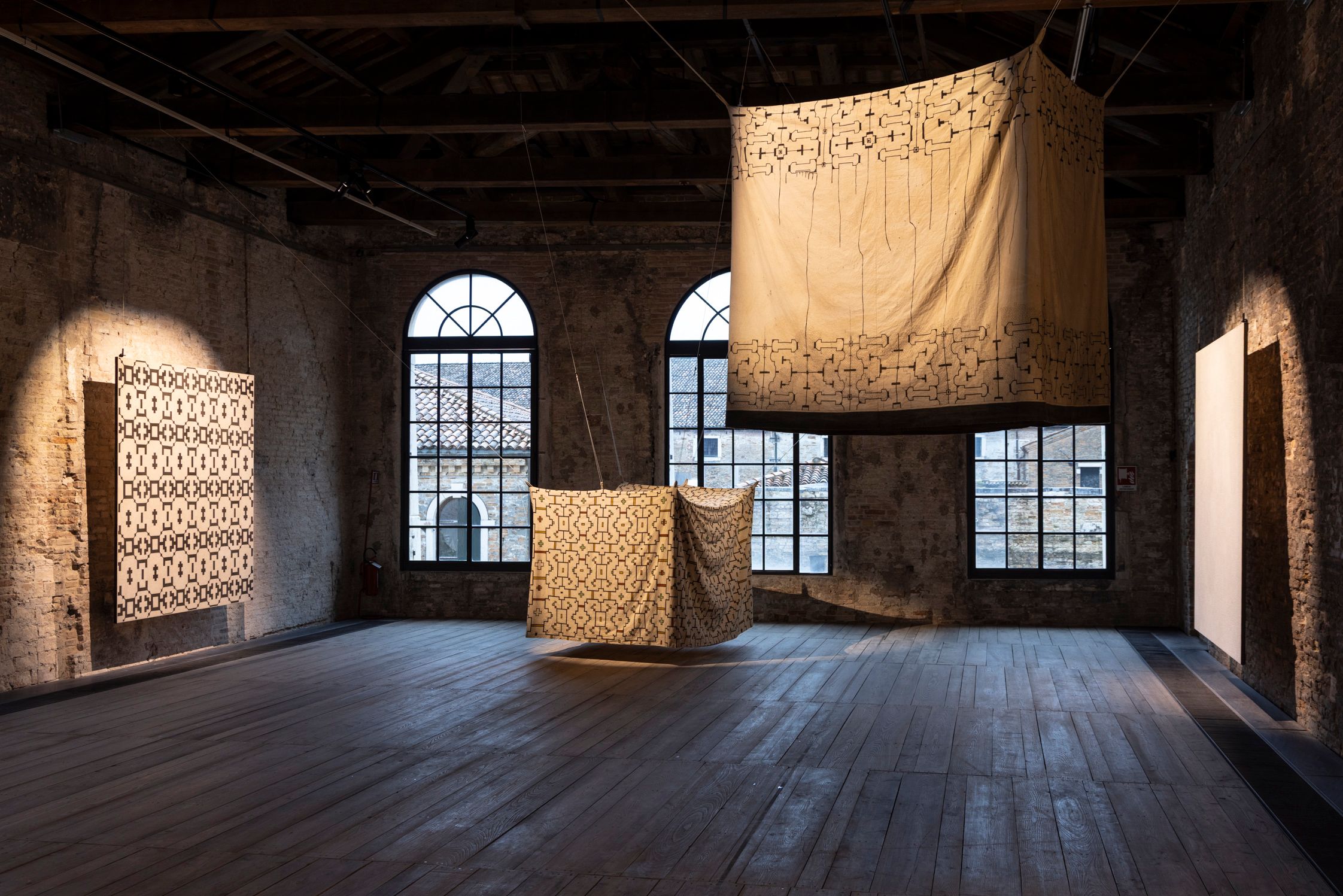
The Peruvian pavilion. Photo: Marco Zorzanello
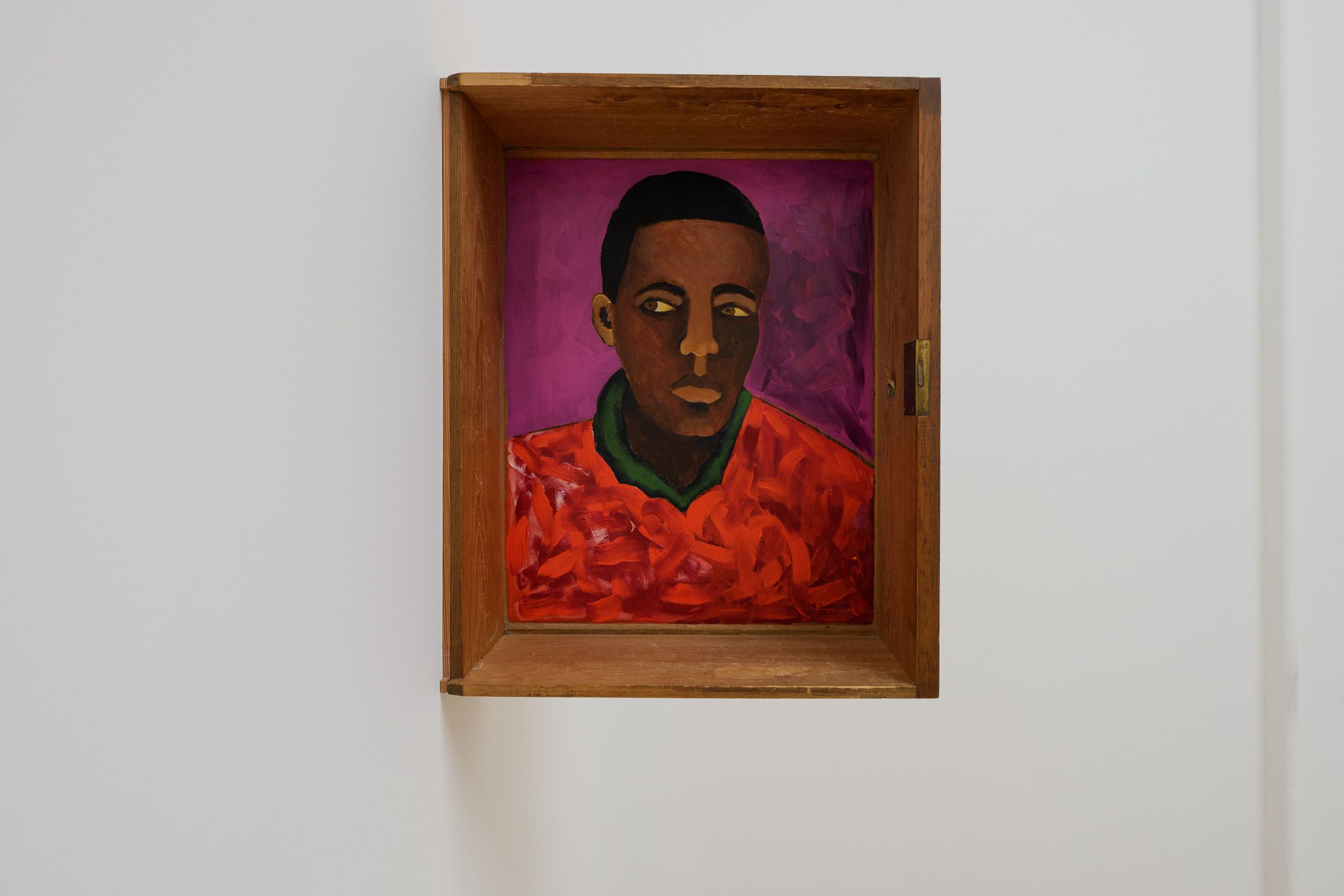
The British pavilion. Photo: Andrea Avezzù
The German pavilion. Photo: Andrea Avezzù
1 / 4
I did glean a few new understandings; mainly that “art speak” is not merely harmless foggy language, but can actually neutralize works and contexts that are deeply political and controversial. One example is the Israeli pavilion, of course, with its disturbingly passive title Rose of Nothingness, which I read about but did not see for political reasons. In the program text, the pavilion describes itself as an installation that “unfolds in the tension between presence and absence, calling for engagement with the experience of time, memory and sustainability.” What does that actually mean? As art writers and critics, we have to confront our own tendency toward vague, noncommittal language. We must recognize that our profession has contributed to normalizing the possibility that atrocities can hide behind such meaningless sentences. We actually need precise, clear words: ambiguity makes it far too easy to hide.
We must recognize that our profession has contributed to normalizing the possibility that atrocities can hide behind such meaningless sentences.
I know I’m being critical, and there were a few pavilions I genuinely liked! The German pavilion was a highlight. Henrike Naumann and Sung Tieu each approached the physical and conceptual ruins of East Germany from entirely different angles. It was refreshing to see that two such distinct subjective experiences of a time and place can coexist without losing their validity or having to surrender part of some imaginary “experience pie” to others. I absolutely love that the pavilion was not chasing after one singular reality. This perspective feels especially important now, as nationalism and protectionism are rising in every direction.
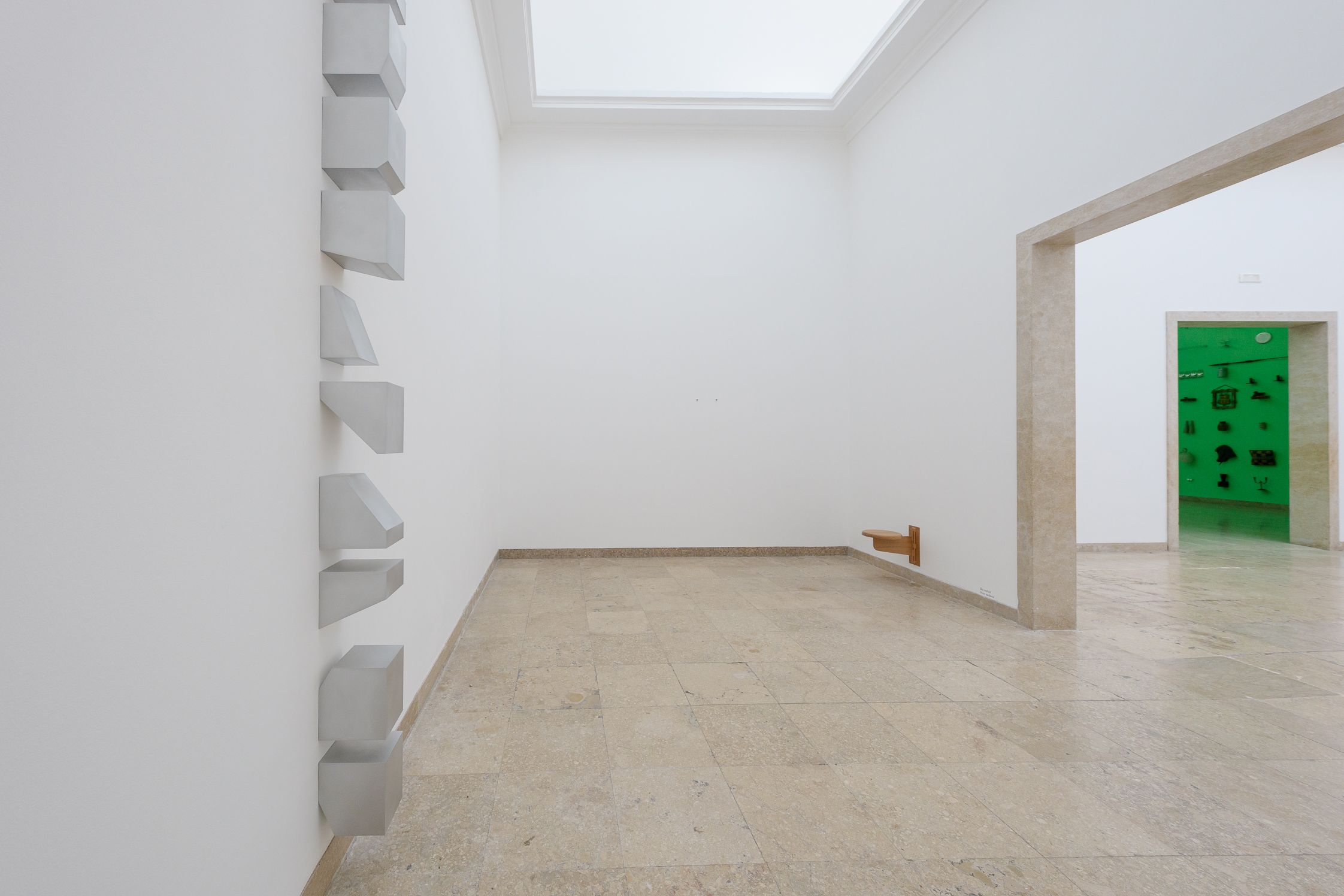
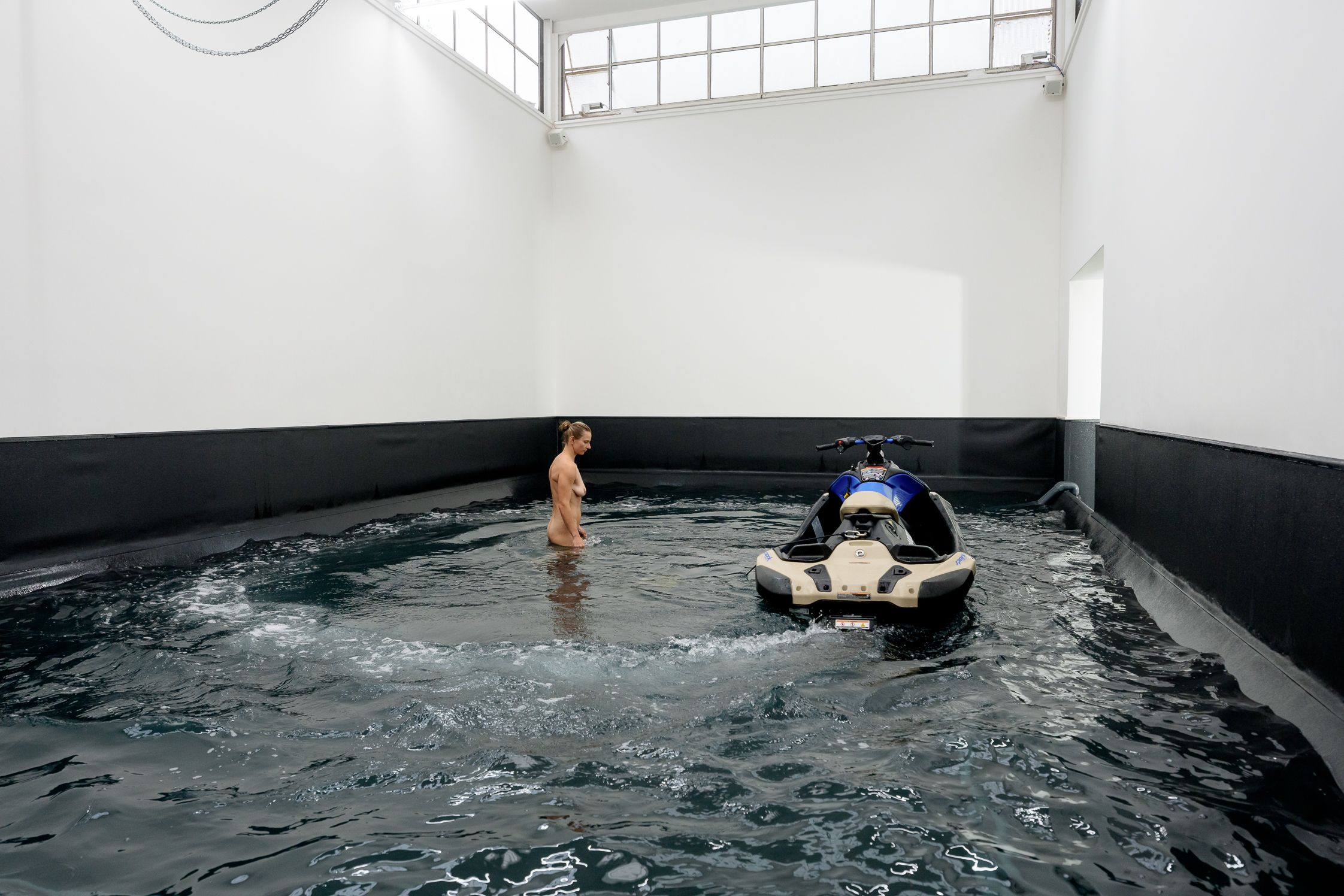
The Austrian pavilion. Photo: Andrea Avezzù
Kader Attia. Photo: Marco Zorzanello
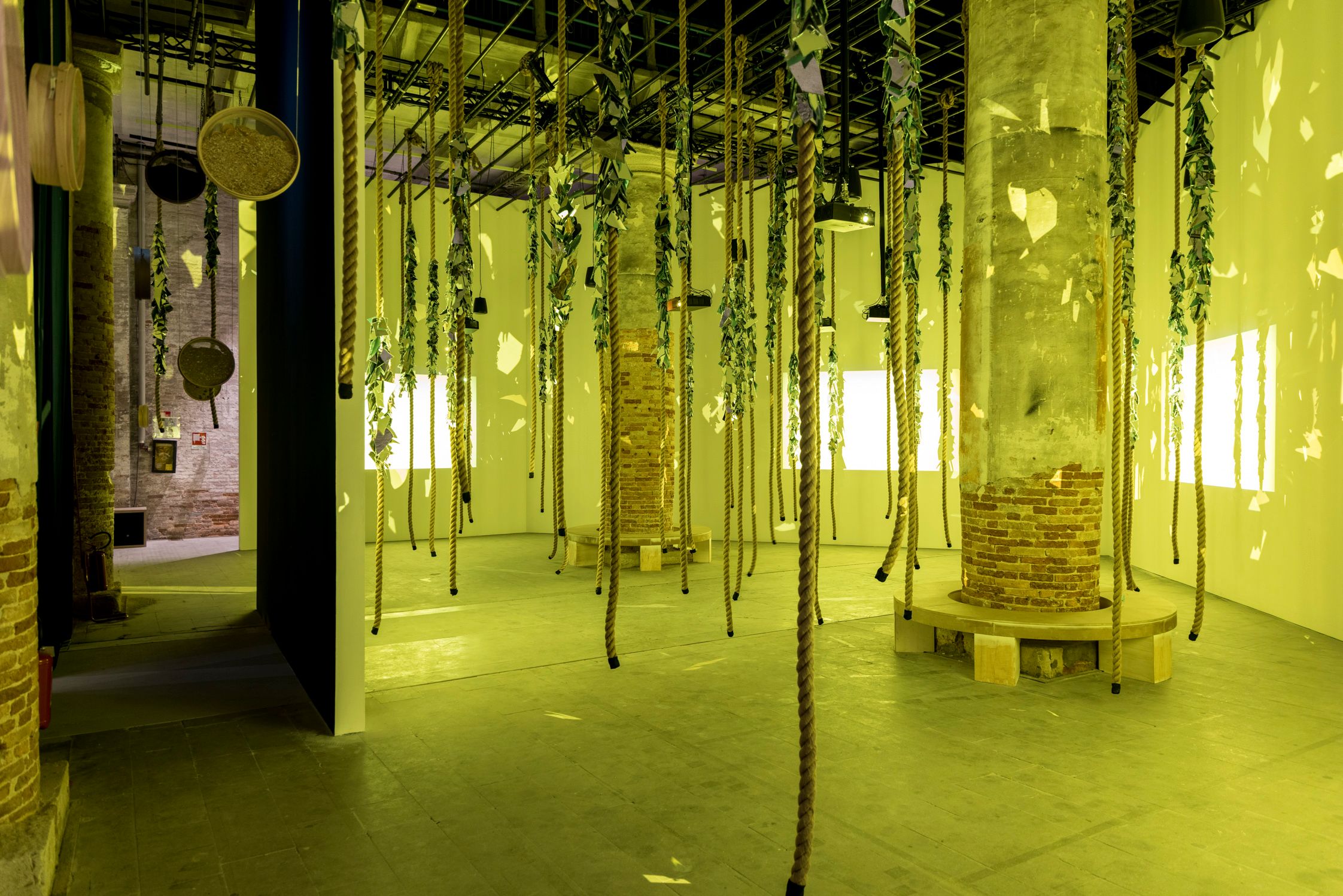
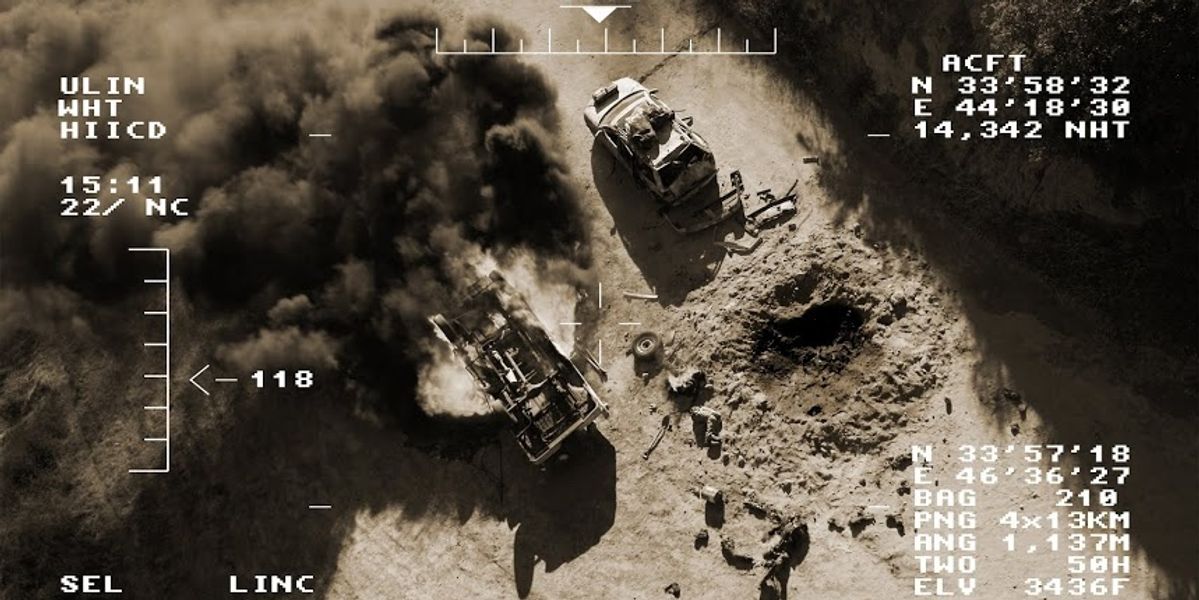
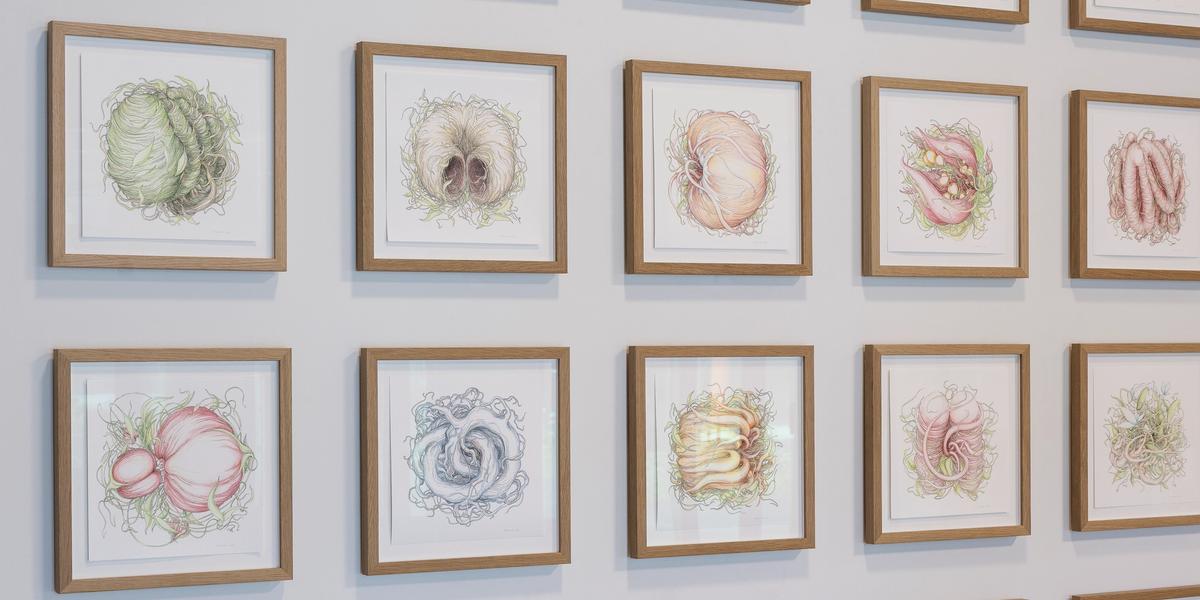
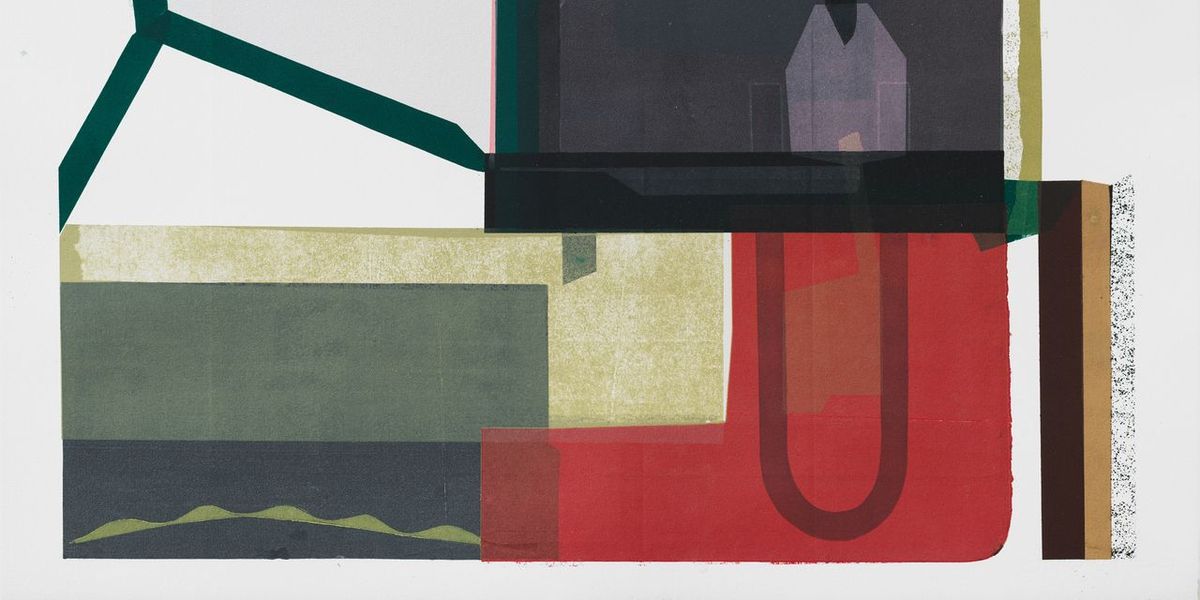
Other personal highlights included Ireland, where the drawn quality of Isabel Nolan’s textile works made me stop in my tracks; Japan, where Ei Arakawa-Nash’s babies moved me deeply; the meticulous work of Shipibo-Konibo artist Sara Flores in the Peruvian pavilion; the insistent, deep colors in a portrait painted inside a drawer by Lubaina Himid in the British pavilion; and Kader Attia’s immersive room in the main exhibition In Minor Keys. Beyond the biennale itself, I have also been thinking a great deal about individual works in Sanya Kantarovsky’s solo exhibition Basic Failure.
It was pouring rain; you were lucky if you didn’t lose an eye to the accidental jab of someone’s umbrella.
And the big talking point? SEAWORLD VENICE by Florentina Holzinger, Austria’s contribution this year. For the record, I am friends with several people connected to this pavilion, and therefore not entirely neutral as a critic. Those same connections led to my being invited to the pavilion’s “invite only” performance, which took place a couple of nautical miles out in the Venetian harbor basin. It was pouring rain; you were lucky if you didn’t lose an eye to the accidental jab of someone’s umbrella. And unlike previous works by Holzinger that I have seen, this event was completely stripped of humor. In fact, it was downright grave and bordering on pretentious … The pavilion itself, however, is wild, thought-provoking, and funny in exactly the right ways.
More info
61st International Art Exhibition of La Biennale di Venezia
In Minor Keys by Koyo Kouoh
9 May – 22 November 2026
This text was supported by the Norwegian Critics’ Association
About the author
Sofie B. Ringstad is the daily manager and co-editor of CAS. She is also a curator, art critic and project manager in the broad visual arts field.